How are home carers trained to support bowel and stoma care?
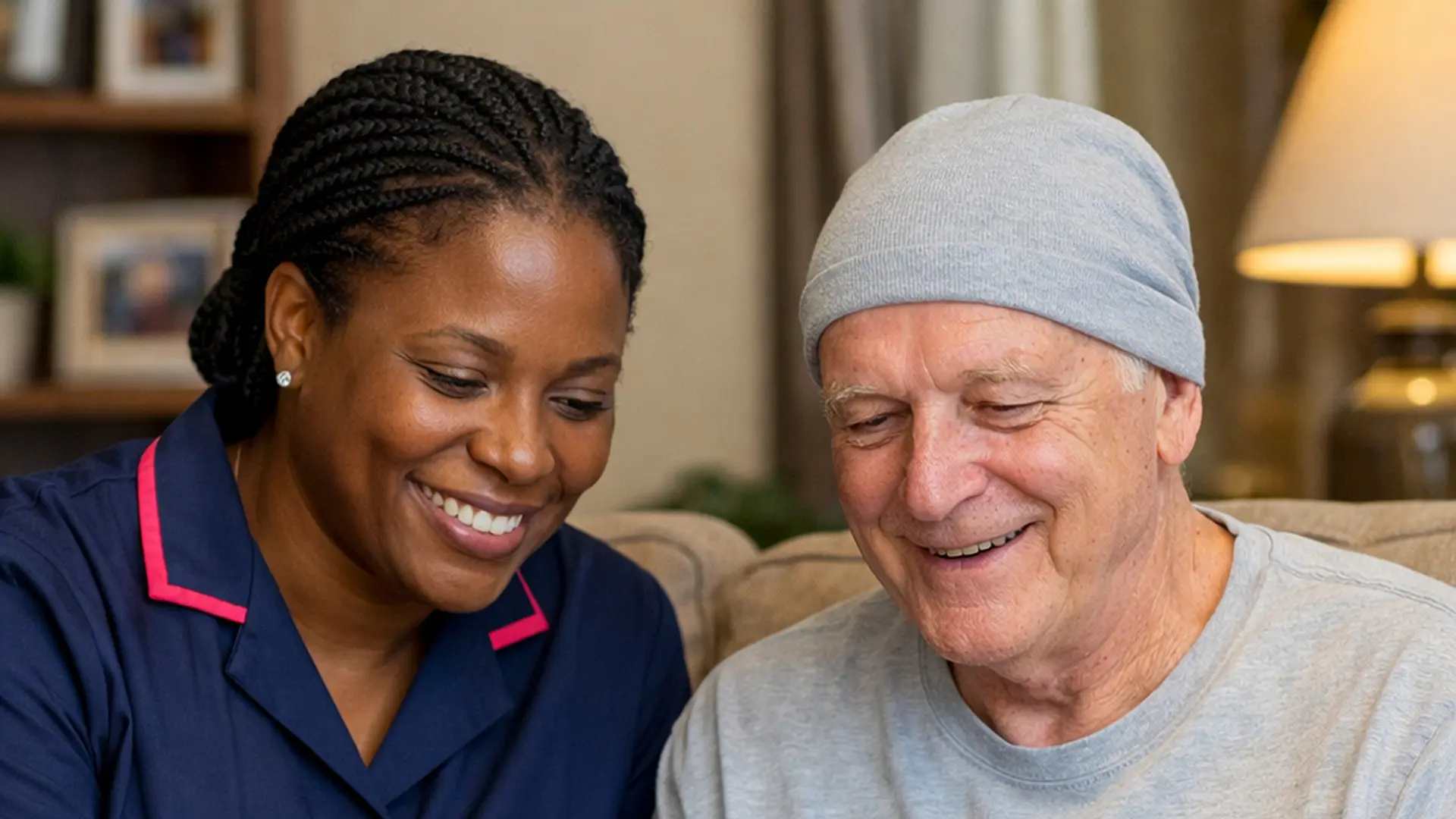
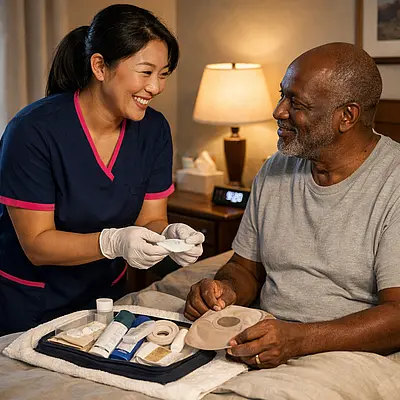
Carers receive training in personal care, infection control, dignity, and specific bowel, catheter or stoma support tasks that fall within their role. Many also gain further experience by working alongside community nurses and specialist teams. Training emphasises hygiene, skin care, early recognition of problems, and clear record-keeping. Just as important is the focus on sensitivity and respect, since bowel and stoma care can feel very personal. Care plans clearly set out which tasks the carer will perform and when to escalate concerns to healthcare professionals.

Before You Go Support at Home Could Change Everything
If you or a loved one need extra support at home, the right care can make daily life safer, easier, and more comfortable. Our compassionate domiciliary care team is here to help with everything from personal care to companionship, all tailored to your needs. Speak with us today to learn how we can support independent living at home.
We sometimes use a number cookies to improve your browsing experience, but these are not always essential to the propper functionality of our site. By clicking "Accept All", you consent to our use of these additional cookies where applicable. You can read more about cookies in our Website Privacy Statement.