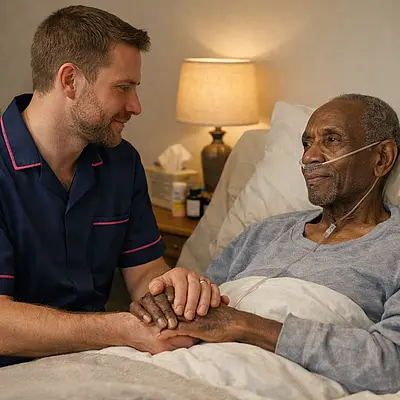
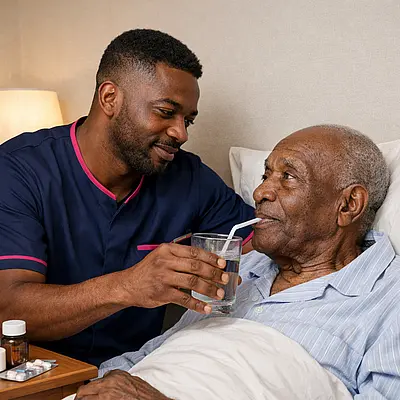
Not always. Palliative care is a broad type of support focused on comfort and quality of life for people with serious illness, and it can begin much earlier than many people realise. End-of-life care is usually considered a later stage, when someone may be approaching the final months, weeks, or days of life. A person can receive palliative support for quite some time while still having treatment or managing a long-term condition. If needs become more advanced, that support may overlap with end-of-life care at home. Understanding the difference can help families plan earlier, reduce stress, and make sure the right support is in place before things begin to feel overwhelming.