What are the warning signs during postoperative recovery that families should not ignore?
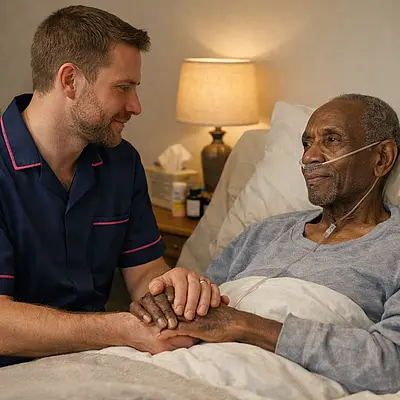
Families should take notice if someone’s pain becomes suddenly worse, they develop a fever, seem unusually confused, become very sleepy, have bleeding, new swelling, increased redness around a wound, breathing difficulties, chest pain, or they are unable to keep fluids down. Other concerns can include not passing urine, severe constipation, or a clear decline in mobility. While recovery often has ups and downs, some changes need prompt medical advice rather than waiting to see if they improve. Professional home support does not replace healthcare treatment, but it can help families notice when something does not feel right. Trusting your instincts matters. If the person seems significantly different from how they were earlier that day or the day before, it is always sensible to seek clinical guidance quickly.