What helps most with emotional support after a cancer diagnosis at home?
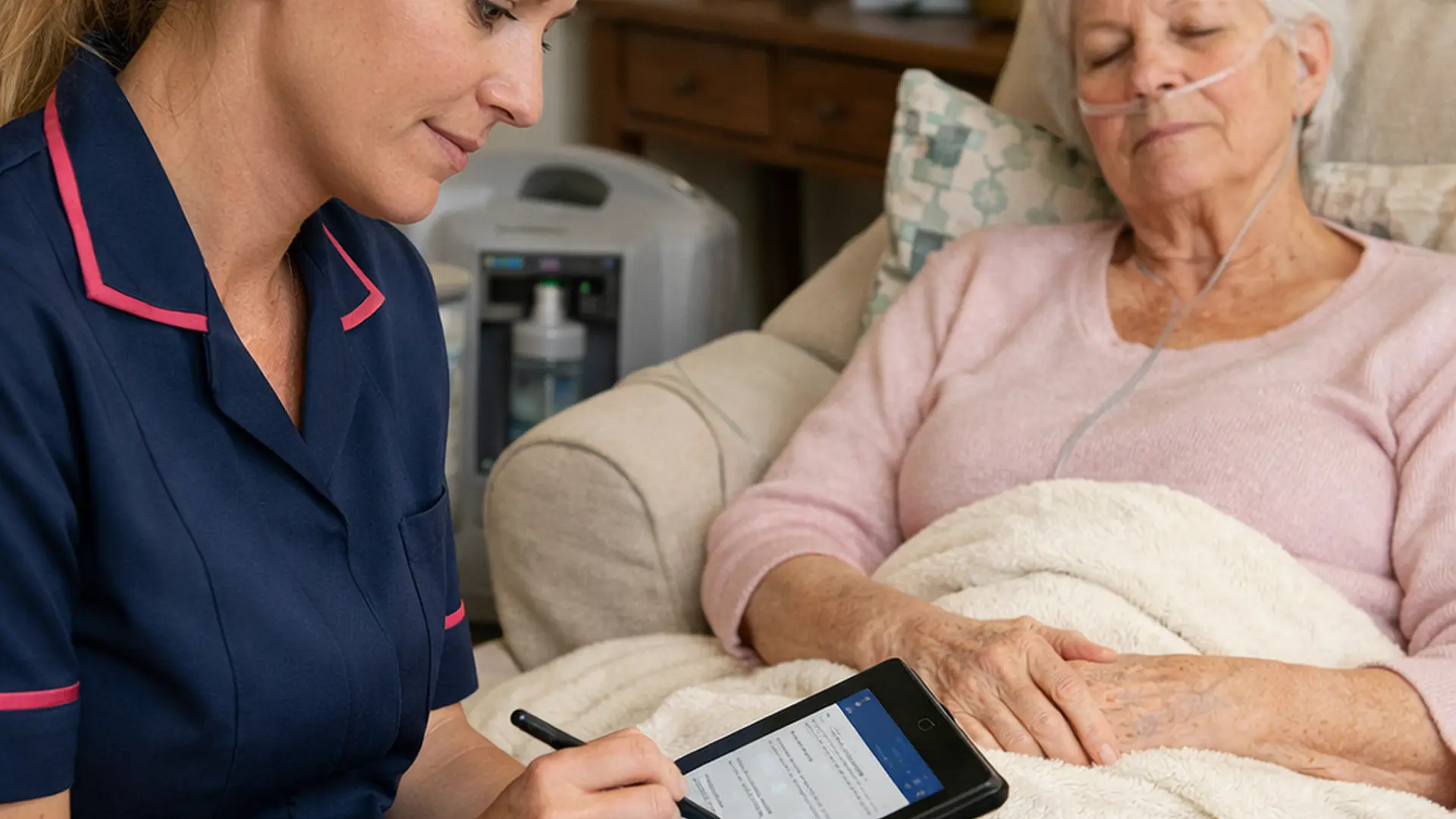
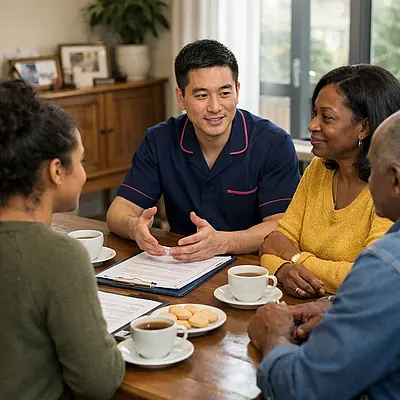
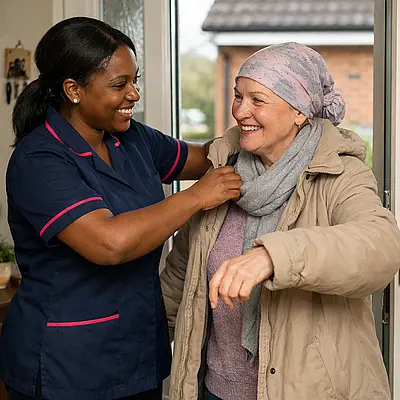
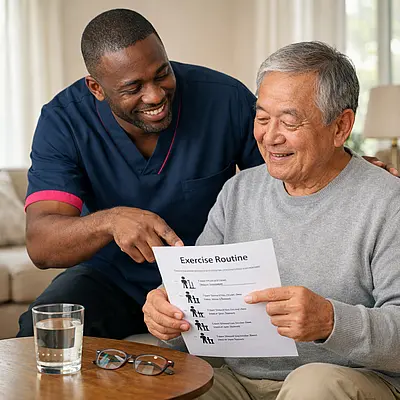
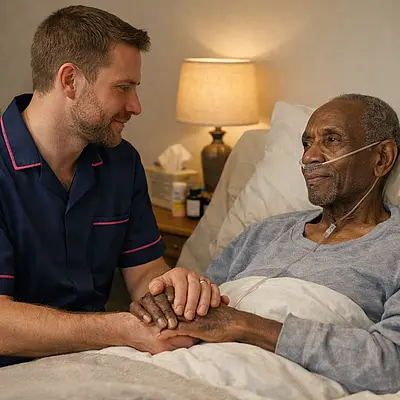
What helps most is usually a combination of emotional reassurance and practical structure. Many people benefit from having one calm person to talk to, a notebook for questions and worries, and a simple daily routine with time to rest. Small supports can make a big difference, such as regular meals, gentle company, help remembering appointments, and a tidy, quieter home environment. Some people want long conversations, while others prefer practical support and short check-ins. There is no single right approach. The key is to notice what lowers stress rather than adding to it. Professional home care can help with companionship, meal preparation, medication prompts, and personal routines, which often eases emotional pressure because fewer things are left to manage alone during an already difficult time.