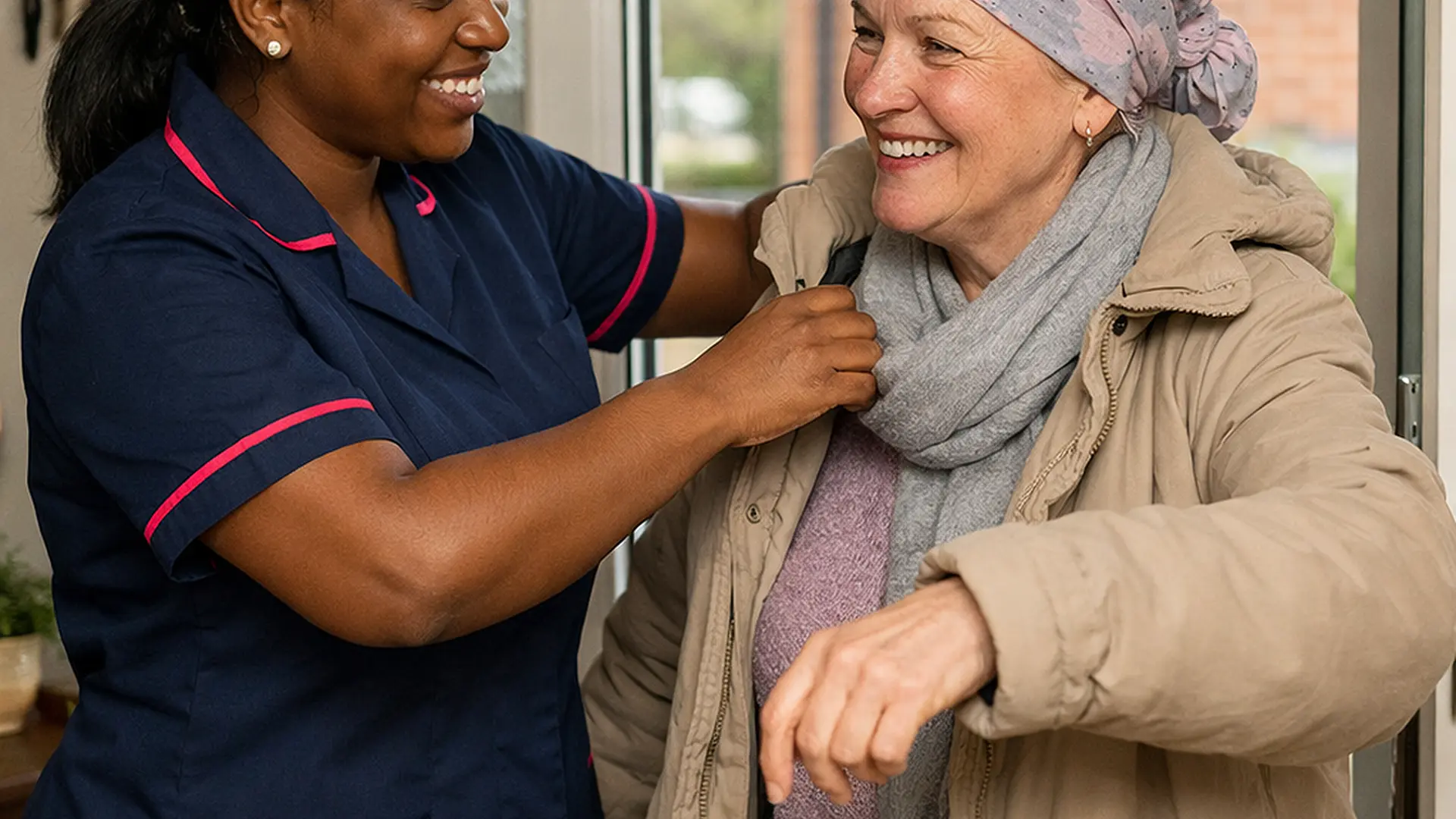
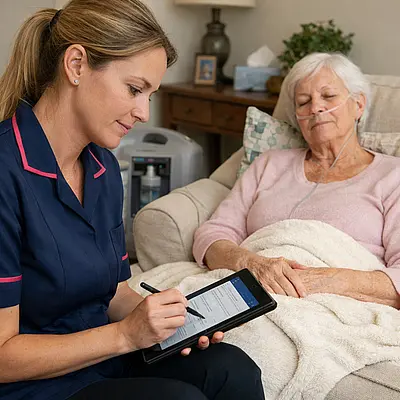
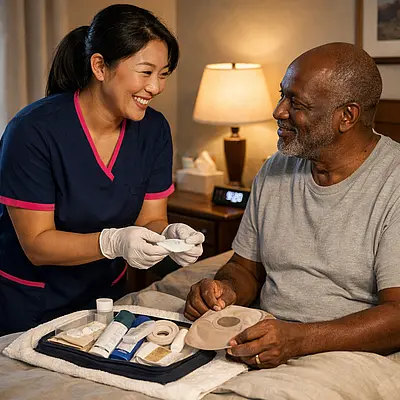
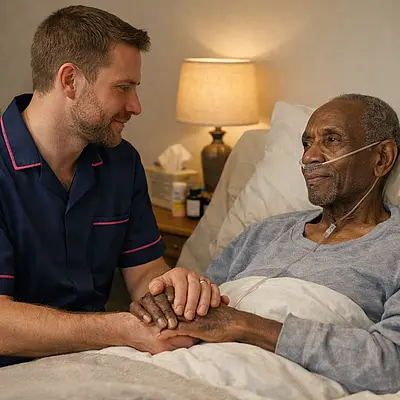
Chemotherapy fatigue is often best managed through pacing rather than trying to push through it. Encourage one priority activity a day, regular rest periods, and seated versions of tasks where possible. For example, someone might wash at the sink while sitting down, prepare food in stages, or take a short rest before getting dressed. Keep useful items within easy reach so energy is not wasted walking back and forth. Short periods of gentle movement can help some people feel less stiff, but overdoing it may make the next day harder. It is also important to look at hydration, pain, sleep, and nutrition, because these can worsen tiredness. If fatigue becomes extreme, suddenly changes, or stops the person from managing safely at home, medical advice should be sought and additional support may be needed.