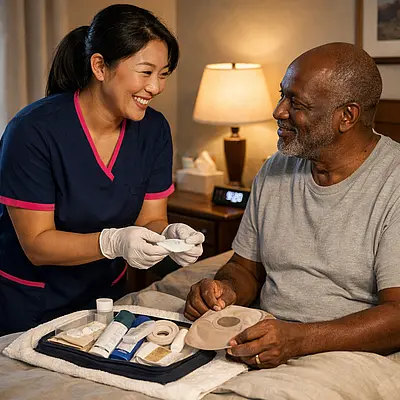
What should I do if there is restlessness in the final 48 hours at home?
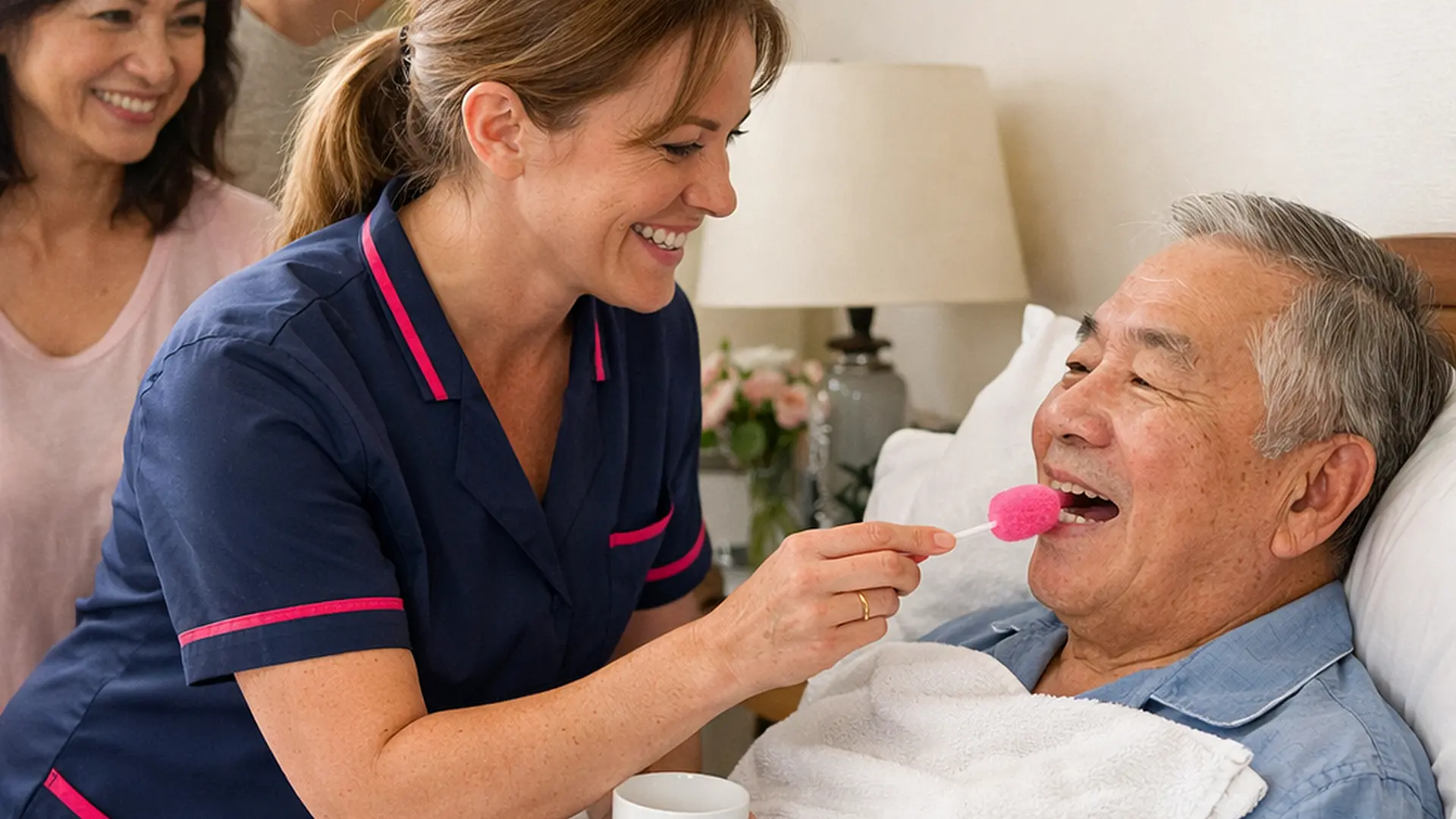
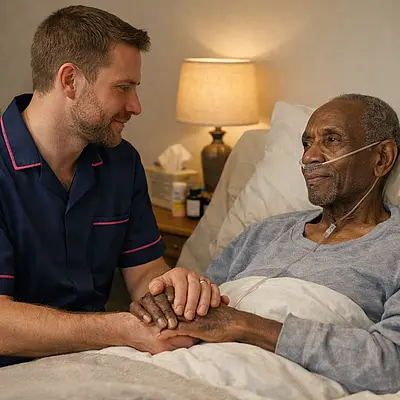
Restlessness can happen for different reasons, including discomfort, anxiety, medication changes, or the body naturally slowing down. In the final 48 hours at home, it may look like picking at the bedding, trying to get up, calling out, or moving the hands repeatedly. Start by checking simple things: are they too hot, too cold, lying awkwardly, or in need of mouth care? Reduce noise, lower lights, and speak in a calm voice. Stay nearby so they feel secure. If restlessness continues or becomes distressing, seek advice quickly, as medicines or care plans may need adjusting. You do not have to work this out alone, and support is there to help make things calmer.