When should I call for help about chemotherapy side effects at home?
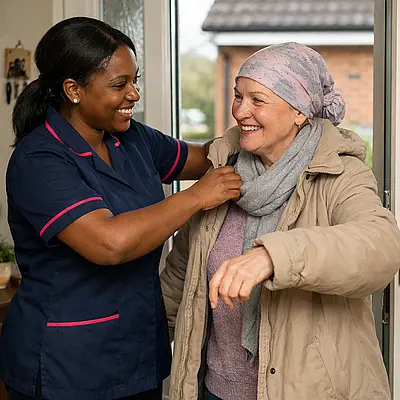
You should seek urgent advice if there is a high temperature, shivering, signs of infection, severe diarrhoea, repeated vomiting, inability to keep fluids down, confusion, chest pain, worsening breathlessness, heavy bleeding, or sudden weakness. Hospitals usually provide a 24-hour number for treatment-related concerns, and it is important to use it rather than waiting to see if symptoms settle. Even symptoms that seem small at first can become more serious when immunity is low. It is also worth calling for advice if pain is increasing, swallowing becomes difficult, or tiredness is suddenly much worse than usual. Families should keep all treatment contact details somewhere obvious and make sure everyone in the household knows where to find them, especially in the evening or overnight.
Before You Go Support at Home Could Change Everything
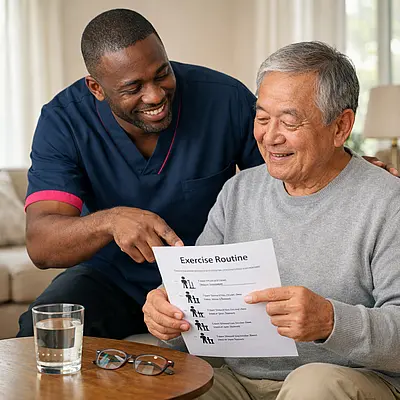
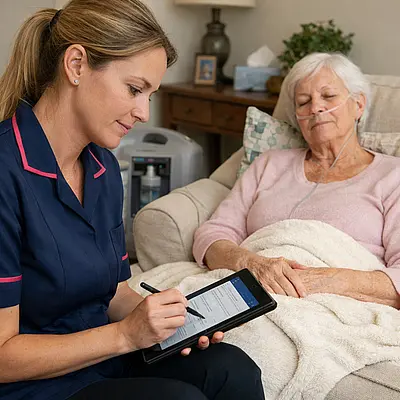
If you or a loved one need extra support at home, the right care can make daily life safer, easier, and more comfortable. Our compassionate domiciliary care team is here to help with everything from personal care to companionship, all tailored to your needs. Speak with us today to learn how we can support independent living at home.
We sometimes use a number cookies to improve your browsing experience, but these are not always essential to the propper functionality of our site. By clicking "Accept All", you consent to our use of these additional cookies where applicable. You can read more about cookies in our Website Privacy Statement.