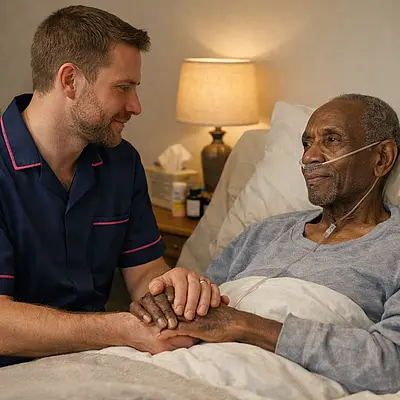
What if family members disagree about advanced cancer care at home?
Disagreements are common, especially when people are worried, tired, or interpreting the situation differently. The most helpful approach is to return to the wishes of the person receiving care. If they have clearly expressed what matters to them, that should guide decisions as much as possible. It also helps to separate emotional reactions from practical planning. One relative might be focused on treatment options, while another worries about daily comfort. Writing things down, keeping communication clear, and involving wider professionals when needed can reduce conflict. Families often cope better when everyone has a role and understands the shared goal of supporting the individual with dignity and comfort.