What signs suggest end-of-life care may be approaching?
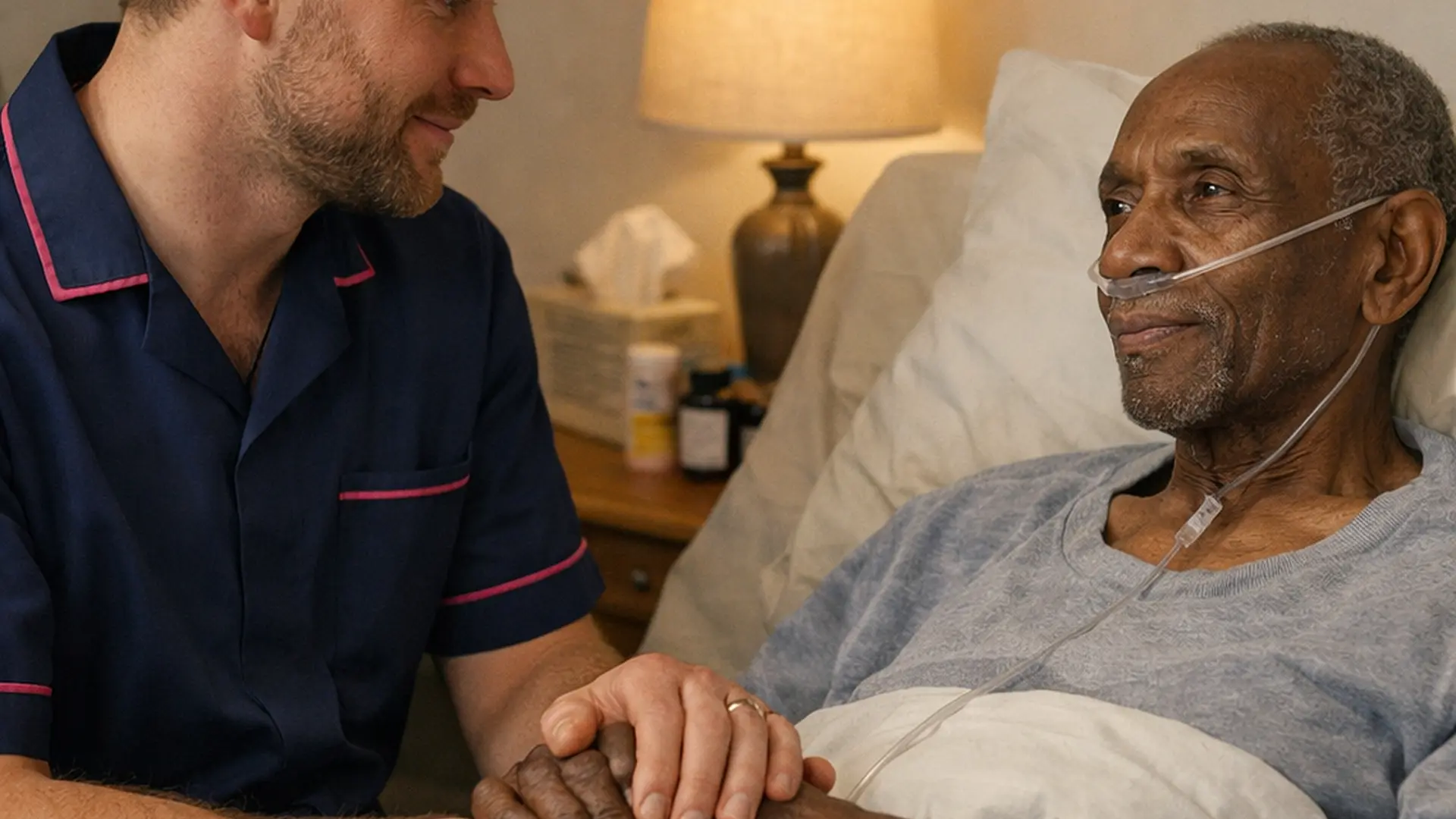
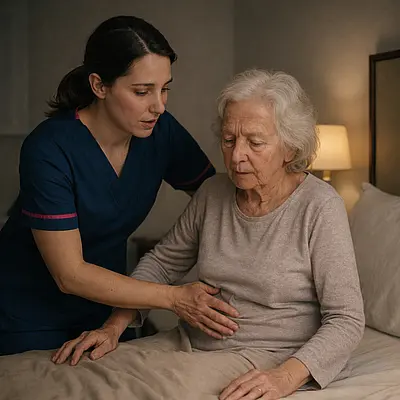
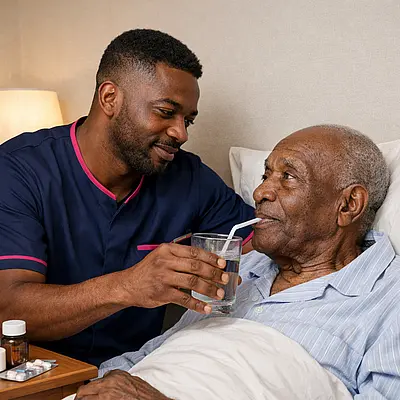
Signs can vary, but families often notice that the person is sleeping more, becoming weaker, eating and drinking less, and needing much more help with everyday comfort. They may be less interested in conversation, more drowsy, or less able to move around independently. Breathing patterns can also change, and there may be periods of greater confusion or restlessness. These changes do not always follow a predictable timeline, which is why families can feel uncertain. End-of-life care is often considered when overall care shifts more clearly towards comfort and support in the final stage of life. If you are unsure, our page on when it may be time to consider end-of-life care at home may help you understand the signs more clearly.