Does end-of-life care at home only happen in the last few days?
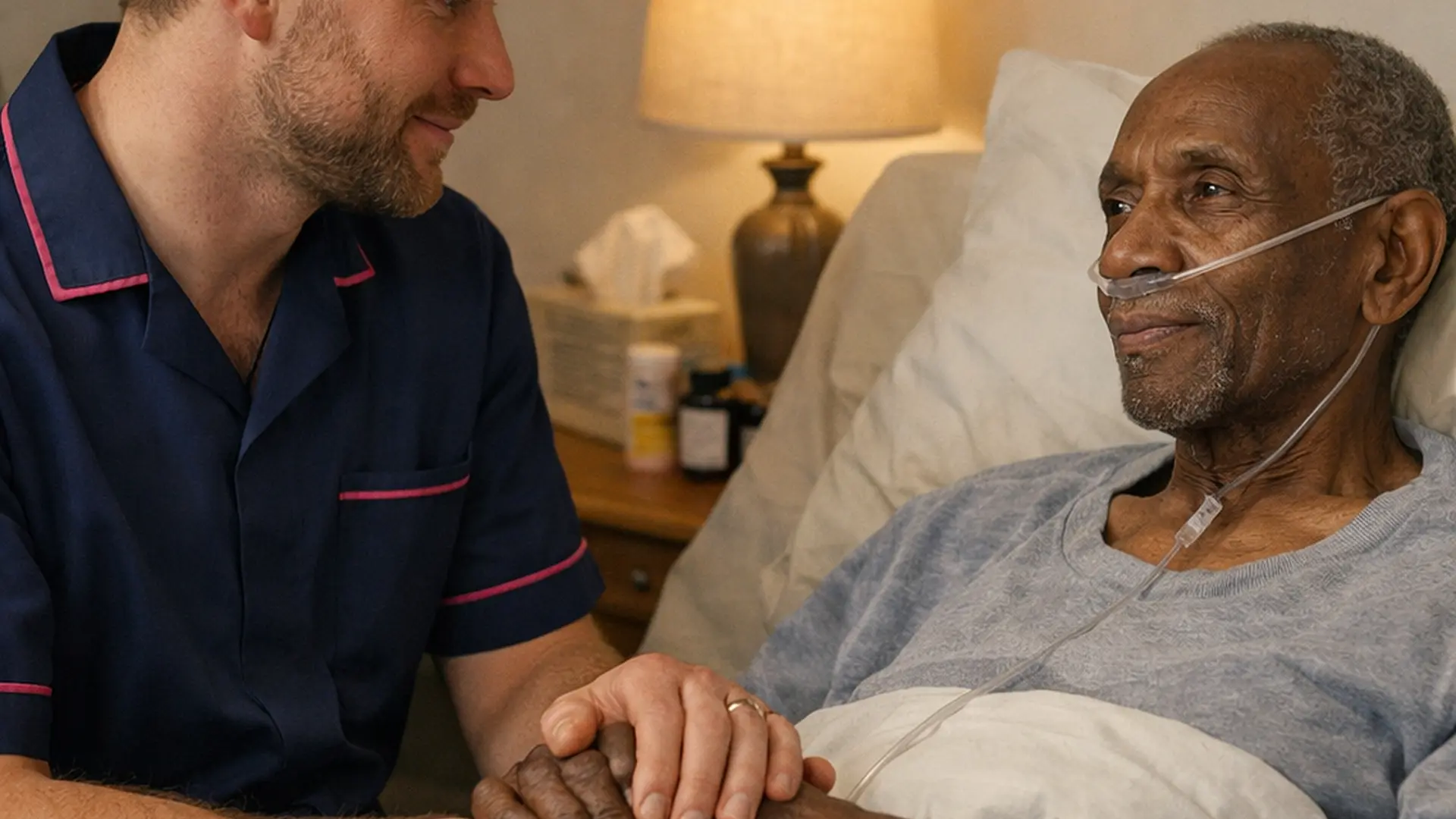
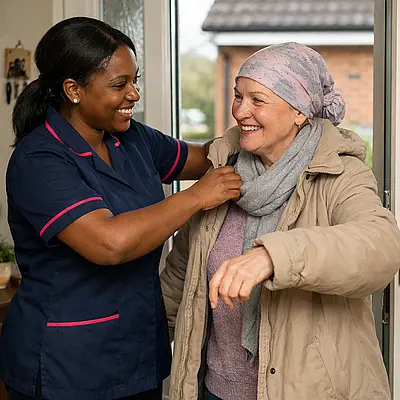
Not always. End-of-life care often becomes more relevant in the final weeks or days, but there is not always a precise starting point. Some people decline gradually, while others change more quickly. A person may begin to sleep more, eat and drink less, become weaker, or need much more support with comfort and daily care. Professionals and families may then start talking about end-of-life care at home, even if the exact timeline is uncertain. The main difference is the overall focus. When care shifts more fully towards comfort, dignity, familiar surroundings, and emotional support in the final stage of life, it is often described as end-of-life care. Every person’s journey is different, so the timing can vary.
Before You Go Support at Home Could Change Everything
If you or a loved one need extra support at home, the right care can make daily life safer, easier, and more comfortable. Our compassionate domiciliary care team is here to help with everything from personal care to companionship, all tailored to your needs. Speak with us today to learn how we can support independent living at home.
We sometimes use a number cookies to improve your browsing experience, but these are not always essential to the propper functionality of our site. By clicking "Accept All", you consent to our use of these additional cookies where applicable. You can read more about cookies in our Website Privacy Statement.