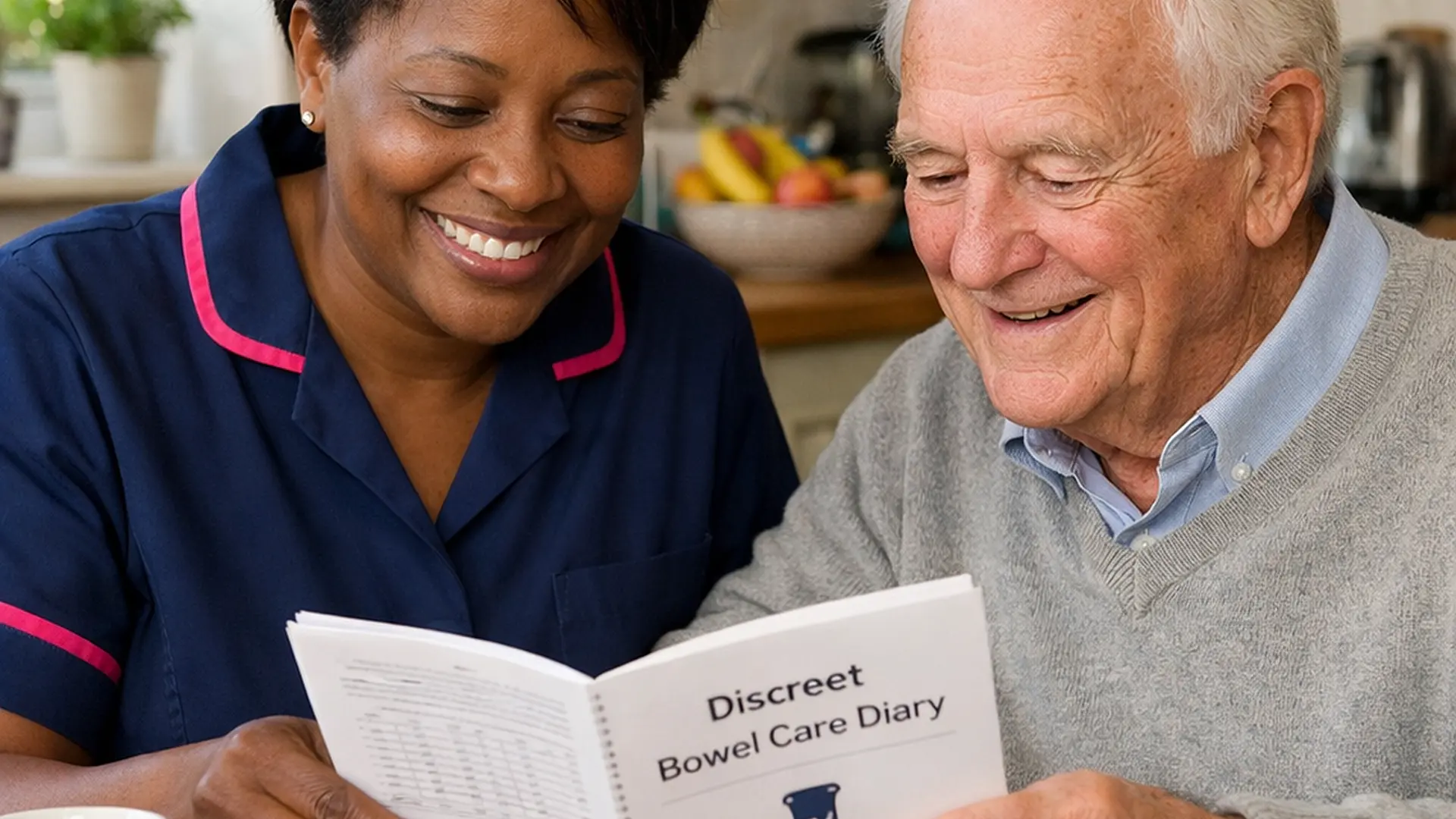
Realistic image of a Black female caregiver in a 00072b tunic with e51974 trim carefully helping a frail elderly man to read a bowel care diary

Bowel Care

Bowel care at home supports comfort, dignity, and independence for people living with constipation, incontinence, or complex bowel conditions. Our flexible home care visits can include personal care, meal preparation, medication support, and continence management. If you or a loved one need compassionate bowel care in your own home, contact us today to discuss tailored support.

Understanding bowel care at home

Bowel care can feel like a difficult topic to talk about, yet it has a huge impact on daily comfort, confidence, and dignity. We provide gentle, discreet support at home with bowel routines, medication prompts, and practical help after illness or surgery, always led by your preferences. Together, we can build a routine that feels manageable and reassuring.

Realistic image of a Black female caregiver in a 00072b tunic with e51974 trim carefully helping a frail elderly man to read a bowel care diary

What bowel care means in everyday life

Bowel care covers everything from managing constipation or diarrhoea to supporting people with stomas, catheters, or continence needs. It may follow surgery, bowel cancer treatment, neurological conditions, or age-related changes. Our home care focuses on comfort, routine, and privacy – whether that’s helping you to the toilet, prompting fluids, or supporting you after hospital discharge.
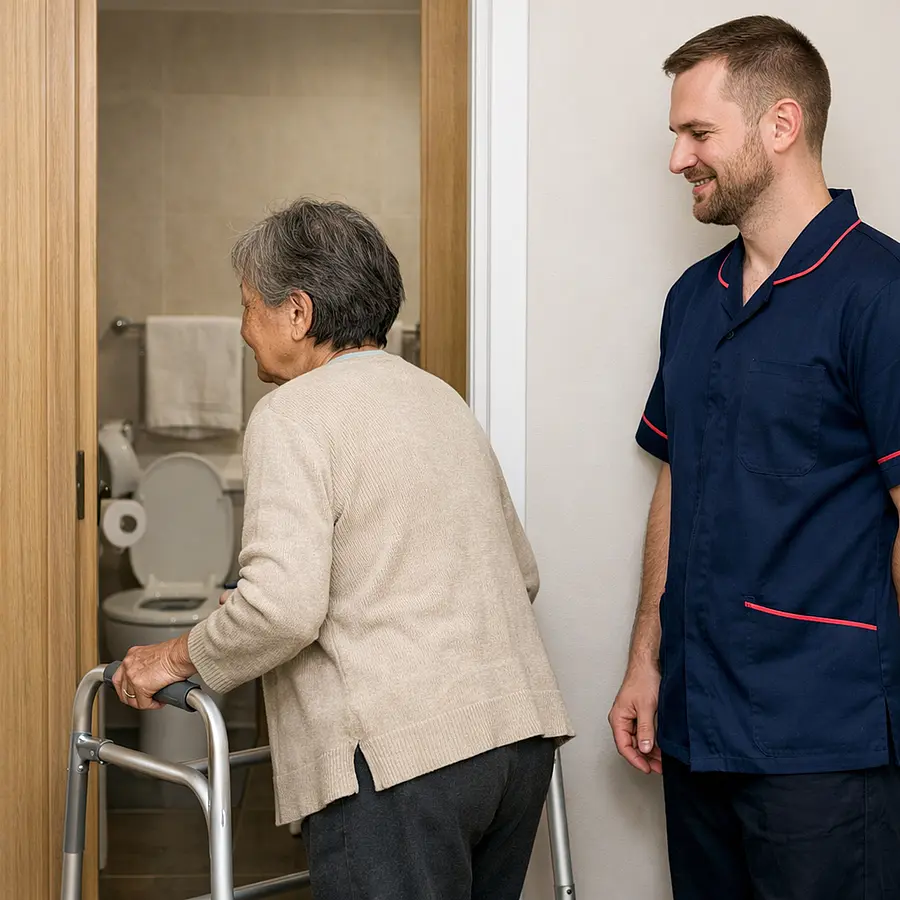
Realistic image of a male caregiver in a 00072b tunic with e51974 trim carefully helping a frail elderly woman the bathroom using a support aid

Bowel care and related health conditions

Bowel problems can be linked to many conditions, such as bowel cancer, neurological illness, frailty, mobility issues, or continence challenges. Our carers are trained to support a wide range of needs, from bowel cancer-related changes to stoma and catheter support. We work alongside your clinical team, always following agreed care plans and guidance.

Warm realistic scene of a Black female caregiver in a navy 00072b tunic with e51974 trim sitting at a kitchen table with an older white male client discussing a bowel care diary together both smiling gently and appearing reassured in a bright homely kitchen.

Can bowel care be managed at home?

For many people, bowel care can be safely and comfortably managed in their own home with the right support. Our carers can help you follow clinical advice, maintain hygiene, and monitor changes that might need medical review. Staying at home often reduces anxiety and embarrassment, and lets you keep familiar routines, favourite foods, and your own bathroom space.

Asian male caregiver wearing a 00072b tunic with e51974 accents supporting an older white woman walking steadily from the living room towards the bathroom both relaxed and smiling in a tidy well lit home environment.

Home support for complex bowel needs

Some people have more complex bowel needs after surgery, injury, or long-term illness. With an appropriate care plan in place, our carers can support bowel routines, stoma care, and continence management. We offer flexible visits, overnight support, and longer sits when needed, helping to prevent discomfort, infections, and unnecessary hospital admissions.

White female caregiver in a 00072b tunic with e51974 piping sitting on a sofa with a middle aged Asian man recovering from bowel surgery reviewing written care instructions together both engaged and reassured in a cosy lounge.

Bowel care symptoms to be aware of

Bowel symptoms can vary from mild to worrying. You might notice constipation, diarrhoea, urgency, incontinence, bloating, pain, or bleeding. Persistent changes in bowel habits, unexplained weight loss, or severe pain should always be discussed with a healthcare professional promptly. Our carers can help you monitor symptoms, keep notes, and encourage you to seek timely medical advice.

White male caregiver wearing a 00072b tunic with e51974 trim sitting at a dining table with an older Asian woman noting bowel symptoms in a diary while she talks both focused yet calm in a bright kitchen.

How bowel care can affect daily life

Ongoing bowel issues can affect confidence, sleep, appetite, and social life. You might avoid going out or worry about accidents. Gentle help with toileting and hygiene, laundry, and clothing changes can make a big difference. We focus on preserving independence while offering practical, non-judgemental support to ease both physical and emotional strain.

Black female caregiver in a 00072b tunic with e51974 edging helping an older white woman choose comfortable clothing from a wardrobe both smiling and chatting in a tidy bedroom.

How we deliver bowel care at home

Our bowel care support is tailored around you. Visits might include help with transfers to the toilet, bowel routine programmes, cleaning and changing pads, and skin care to prevent soreness. We can also combine visits with meal and fluid support or light housekeeping, so that every aspect of your day runs more smoothly.

Asian male caregiver in a 00072b tunic with e51974 highlights preparing a jug of water and a light meal in a modern kitchen while an older Black man sits nearby at the table looking relaxed and appreciative.

Bowel care and medication management

Many people rely on laxatives, anti-diarrhoeal medicines, or other treatments as part of their bowel routine. Our carers can offer careful medication prompts and support, helping you follow the schedule agreed with your health professionals. We can also help you notice side effects or changes in bowel habits, and encourage you to seek medical advice when something doesn’t feel right.

White female caregiver in a 00072b tunic with e51974 trim handing a clearly labelled pill organiser to an older Asian woman at the kitchen table both smiling gently with a glass of water nearby.

Bowel care that supports hobbies and interests

Bowel issues can make people worry about leaving home, yet staying active is vital for wellbeing. Our carers can plan ahead for outings, support toilet visits before travel, and pack spare supplies discreetly. With the right help, many people feel confident enough to resume clubs, gentle exercise, or visits with friends, rebuilding social connections and independence.

Black male caregiver in a 00072b tunic with e51974 details walking through a park with an older white woman using a walking stick both laughing together on a sunny day with a discreet backpack for supplies.

Reablement-focused bowel care at home

After surgery or a hospital stay, re-gaining confidence with bowel routines can feel daunting. Our reablement approach aims to build your independence step by step, perhaps moving from full assistance to supervision over time. We can combine bowel support with mobility-focused help and gentle encouragement, always going at your pace and celebrating every small win.

Asian female caregiver in a 00072b tunic with e51974 accents encouraging an older Black man to stand from an armchair with a frame both smiling sun streaming into a living room.

How loved ones can support bowel care

Family members can help by creating a calm routine, encouraging regular drinks, and offering gentle reminders without pressure. Respecting privacy is key: asking how someone prefers to be supported and using agreed words for toileting can reduce embarrassment. You might also help by arranging companionship visits if they feel isolated or anxious about their symptoms.

White male caregiver in a 00072b tunic with e51974 detailing sitting with an adult daughter and her older Asian mother at a dining table discussing a written bowel care routine together all appearing engaged and reassured.

Emotional support around bowel care

Bowel problems can feel humiliating, even when they are completely common and natural. Listening without judgement, offering reassurance, and keeping a sense of humour can ease tension at home. If you’re a relative, you might want professional help with intimate care so you can focus on your relationship. Our home visits also provide someone neutral to talk to about worries and fears.

Black female caregiver in a 00072b tunic with e51974 trim sitting on a sofa with an older white man both chatting warmly with mugs of tea creating a relaxed and trusting atmosphere.

How to care for a loved one with bowel problems

Caring for someone with bowel issues often means balancing practical tasks and emotional sensitivity. Simple steps like keeping the bathroom clutter-free, having spare clothes ready, and using gentle skin products all help. Our carers can handle intimate support such as washing, changing pads, and laundry, while you focus on being a spouse, child, or friend, not just a carer.

Asian male caregiver in a 00072b tunic with e51974 accents showing an adult son how to discreetly store continence products in a bathroom cupboard all three including older mother smiling gently.

Shared routines for bowel care at home

Agreeing a routine together can reduce stress for everyone. Plan regular toilet opportunities, especially before leaving the house or going to bed, and keep a note of foods or medicines that affect bowel habits. We can help families create simple, realistic plans that fit with work, school runs, and everyday life, so bowel care feels like a manageable part of the day.
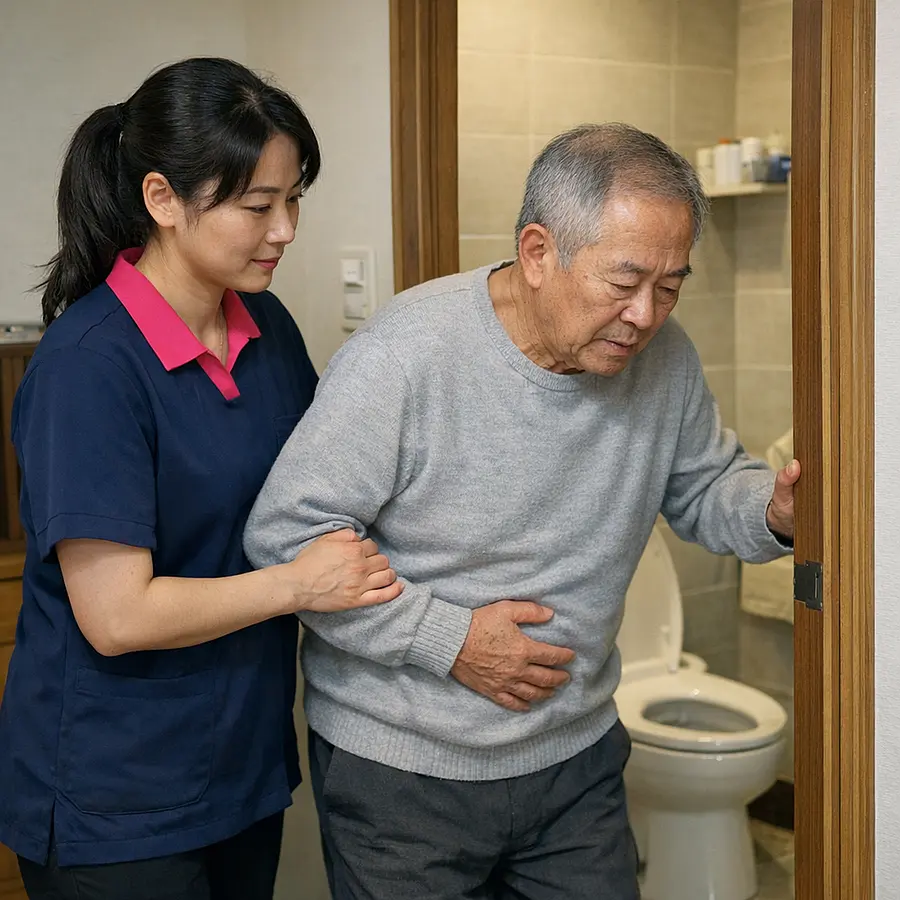
Asian female caregiver in a 00072b tunic with e51974 collar discretely supporting an older Asian man to the bathroom in his home both appearing calm and dignified emphasising sensitive help with bowel related symptoms.

Why choose our bowel care at home?

We know how personal bowel care is, that's why our carers are are kind, respectful, and specifically trained in continence and bowel support. Our flexible visits range from short calls to overnight stays, and can be combined with domestic help and personal hygiene support, creating a joined-up plan that fits your life.

Warm, realistic scene of a Black female caregiver in a navy #00072b tunic with #e51974 accents, sitting beside a white male client in his living room, both smiling as they look at some paperwork about his cancer treatment, conveying reassurance and calm home support.

Specialist support for complex bowel conditions

For people living with multiple conditions, bowel care often needs to sit alongside other specialist support. We regularly work with those managing continence issues, colostomy care, and wider palliative needs. By coordinating our visits around your medical appointments and therapies, we help keep life at home as settled and predictable as possible.


Realistic image of a Black male caregiver in a 00072b tunic with e51974 accents walking slowly in a garden with an elderly white woman pointing out flowers while they talk about lifestyle and health conveying gentle encouragement and prevention awareness.
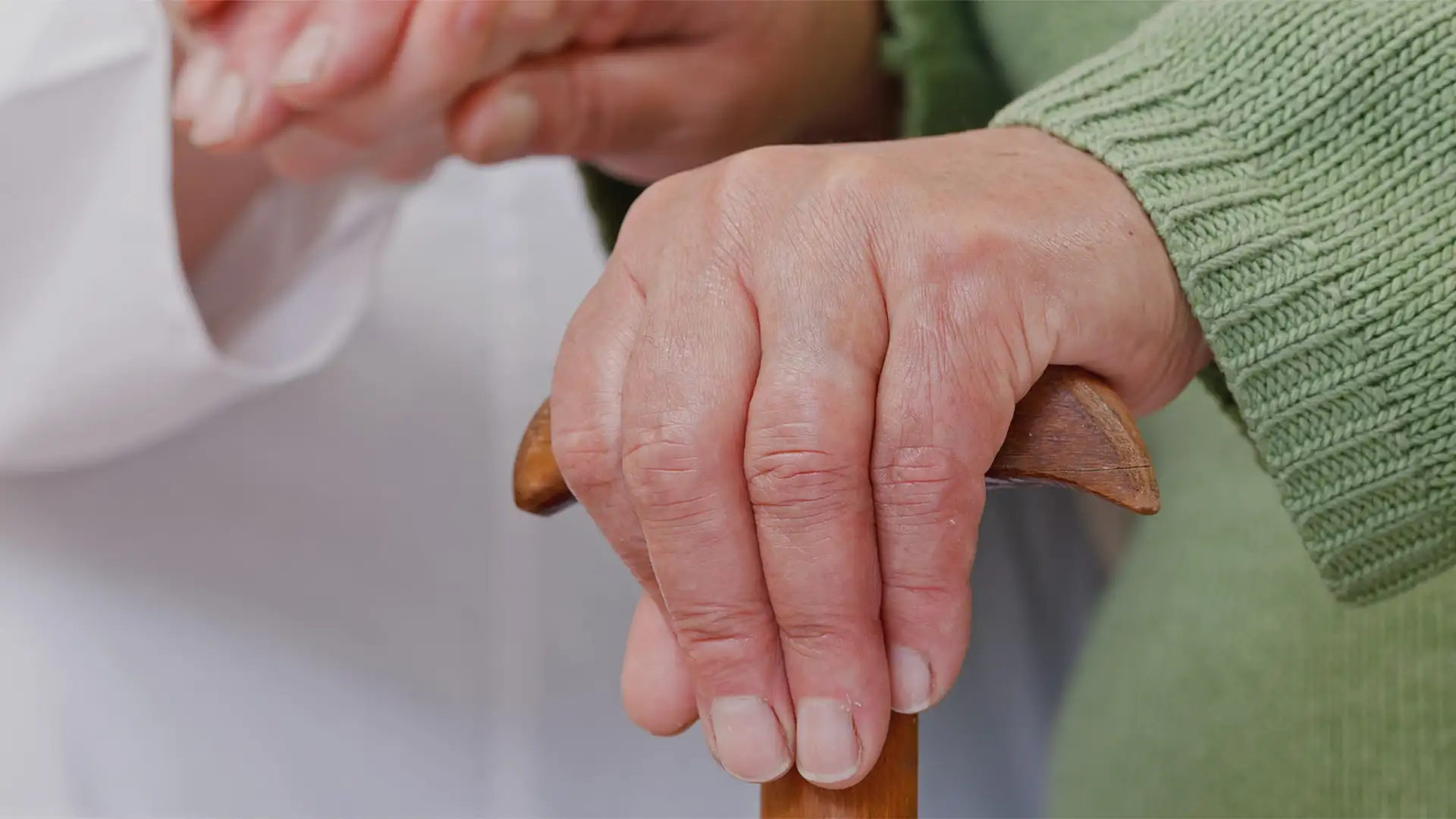
Hands of young adult and senior women over green b
Contact Us

Contact us to arrange Bowel Care at home

If you're looking for support with daily living for some one with bowel issues, we're here to help. Our friendly team is ready to offer guidance, answer your questions, and arrange bowel care tailored to your or your loved ones' needs in their own home. Reach out today for personalised advice and support.

Elderly hands on a walking sitck

We're becoming a fully regulated service

While we are not currently regulated, meaning there are some services we cannot currently provide, we are in the process of registering to become a fully regulated service.

CQC

Bowel Care FAQ's

You’re bound to have questions when exploring your home care options, so we’ve answered some of the most common ones below.

Coordinated care is especially important when bowel needs are part of a more complex health picture. With your consent, we can share relevant information with district nurses, specialist stoma teams, continence services, or hospital teams to keep everyone up to date. Our carers can support you to attend appointments, help you remember questions you want to ask, and record any changes in your care plan. Where you are receiving condition-led support such as cancer care, mobility care, or end-of-life support, we will aim to integrate bowel care smoothly so your experience feels joined up rather than fragmented.

Carers can help with a wide variety of tasks, depending on your needs and preferences. This may include supporting you to transfer safely to the toilet, assisting with clothing, cleaning the toilet and surrounding area if needed, and providing gentle help with washing and drying afterwards. We can also support with changing pads or continence products, emptying or changing stoma bags as per your agreed plan, and checking for any signs of skin soreness. Many people choose to combine bowel care with wider help such as washing or showering, laundry and bedding changes, or meal preparation, so that everything is taken care of in one visit.

What you eat and drink has a big impact on how your bowels behave. For many people, staying well-hydrated and eating enough fibre helps prevent constipation, while others with specific conditions may need a modified diet. Some foods can trigger bloating, cramps, or diarrhoea, so keeping a simple food and symptom diary can be useful. Our carers can support you to follow the advice of your GP or dietitian, encourage regular drinks, and help prepare suitable meals or snacks. Through our meal preparation support, we can also help you shop for and cook foods that are easier to digest, while watching for any patterns that may need discussion with a health professional.

Yes, with an appropriate care plan in place, we can support many aspects of stoma or colostomy care at home. This might include helping you gather equipment, providing assistance while you change or empty the bag, supporting with skin care around the stoma, and ensuring everything is disposed of discreetly and hygienically. We’ll always follow the instructions provided by your stoma nurse or clinical team and work at the level of support you want — some people need full assistance, while others prefer someone nearby for reassurance. Our colostomy and stoma-related support can be combined with bowel routine help, bowel cancer care, or wider condition-led care where needed.

With the right guidance and support, many aspects of bowel care can be managed very safely at home. A key starting point is a thorough assessment and clear care plan agreed with healthcare professionals. This should outline any prescribed bowel routines, medicines, or specific techniques that must be followed. Our carers are trained to work within those instructions and to monitor for signs that a GP or nurse should be contacted, such as persistent constipation, sudden diarrhoea, bleeding, or severe pain. Home can actually be the safest and most reassuring place for many people, because they are in a familiar environment with their own bathroom and routine. Where needs become more complex, we’ll always encourage medical review and can adapt our support as things change.

Our visits are designed to fit your life rather than the other way round. Some people need short, frequent calls throughout the day to support toileting and continence product changes. Others prefer longer visits that combine bowel care with washing, dressing, meals, and light housework. We can also offer early morning or late evening support and, where appropriate, night-time visits. As your needs change — for example, after a hospital stay or if symptoms improve — we can review and adjust the schedule. The aim is always to create a pattern of support that feels sustainable, dignified, and reassuring for you and your family.

While many bowel changes are minor and short-lived, some signs always warrant prompt medical advice. You should contact a healthcare professional urgently if there is unexplained blood in your poo, a sudden change from your usual pattern that persists, severe or worsening abdominal pain, vomiting, or an inability to pass stool or gas. Unexplained weight loss, extreme tiredness, or a feeling that your bowel never fully empties are also red flags. For people using laxatives or other bowel medicines, severe diarrhoea or dehydration symptoms need attention. Our carers are not medical practitioners, but they are trained to notice concerning changes, encourage you to speak to your GP or nurse, and, if you wish, help you track symptoms to share at appointments.

Yes, bowel issues often affect sleep, and we understand that nights can be particularly challenging. We offer flexible overnight care where a carer is present to help with toileting, pad changes, or bathroom trips, reducing the risk of falls and giving reassurance. Some people need only occasional overnight support during a flare-up or while recovering from surgery, while others benefit from ongoing night-time help. Overnight care can also be a vital break for family members who have been getting up multiple times a night. We’ll work with you to decide whether a waking night or a sleep-in arrangement is most appropriate, based on safety, frequency of support, and your preferences.

Many different people can benefit from bowel care support at home. Some have long-term conditions such as bowel cancer, inflammatory bowel disease, multiple sclerosis, dementia, or spinal cord injury. Others may be recovering from surgery, chemotherapy, radiotherapy, or a serious infection. Older adults often experience constipation, reduced mobility, or continence changes that make getting to the toilet harder. People with learning disabilities or mental health needs may also need help to follow routines or communicate discomfort. Sometimes, family members are providing most of the care but want professional support with intimate tasks, or just need a break. Whatever the reason, our aim is to make bowel care safer, more comfortable, and less stressful for everyone involved.

Protecting dignity is central to how we work. Before any support starts, we’ll talk with you about what you feel comfortable with and how you would like things to be done. That might include preferences about language, who is in the room, or whether you prefer a male or female carer where possible. During visits, we use towels, robes, or blankets to keep you covered as much as we can, and we always knock and explain what we’re doing before we do it. We never rush, and our carers are trained to be calm, matter-of-fact, and discreet, recognising that bowel care is a normal part of health, not something to be ashamed of. Our goal is to help you feel respected and in control every step of the way.

Elderly hands on a walking sitck

Call us to find out more about Bowel Care

East Midlands

We proudly provide high-quality home care across the East Midlands

Our Reviews

We’re proud of the trust families place in us. Here’s what some of the people we support, and their loved ones, say about our home care services.

"Great support for my mum after she lost her confidence after a fall and hospital stay."

Sarah L

"They have been a great help with keeping on top of my dads laundry and general house cleaning as he is bed bound and have been being changed daily."

Emily R

"Really helped me with keeping on top of my house work since my parkinson's has progressed."

Mark T

Senior woman hand in caregiver hands

Join The Good News Newsletter

Be the first to discover exclusive offers, and service updates. Your journey to independent living starts here - where everything truly is fine.


Contact The Good Place

We’d love to hear from you! Whether you have questions, want to learn more about our home care service, or are ready for us to start supporting you or your loved one, our good people are here to help. If you are looking to make a complaint, you can contact our Registered Manager or Nominated Individual directly.

Send Us a Message


Elderly hands on a walking sitck

Working in Partnership

We work closely within the community to provide safe, compassionate, reliable home care that supports independence, dignity, and improved wellbeing while remaining at home.

Staffordshire County Council
Derbyshire County Council
NHS