
Understanding palliative care at home
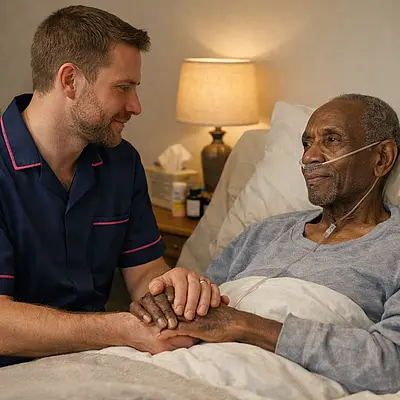
Palliative care focuses on comfort, dignity, and quality of life when someone is living with a serious or life-limiting illness. It can help with pain, fatigue, emotional wellbeing, and everyday routines. Our home care team supports people where they feel safest, with tailored help that can include washing and personal hygiene support, help with medicines, and gentle reassurance for the whole family.

What is palliative care support?
Palliative care is not only for the very end of life. It can begin earlier, alongside treatment, to reduce discomfort and make day-to-day life more manageable. Support may include symptom monitoring, emotional support, practical help around the home, and making sure the person’s wishes stay central. It is about living as comfortably and meaningfully as possible.
When comfort-focused care may be needed
People may benefit from palliative support if they are living with advanced cancer, neurological conditions, organ failure, frailty, or complex long-term illness. Needs can change from week to week. Some people need occasional visits, while others benefit from regular care, night-time support, or help linked to broader end-of-life care at home.

Can palliative care be provided at home?
Yes, many people receive palliative care in their own home, surrounded by familiar belongings, routines, and the people they love. Home-based support can reduce stress and make it easier to rest. We can work around existing healthcare input, helping with comfort, routines, observation, and practical tasks so families feel less alone during a difficult time.

Why home palliative support can feel more personal
Being at home often gives people more control over meals, visitors, noise, sleep, and daily habits. Familiar surroundings can also help ease anxiety. Our carers can support with meal preparation, light routines, and friendly companionship, while also noticing small changes that may need to be shared with family or healthcare professionals.

How care at home adapts as needs change
Palliative care at home can be flexible. Someone may first need a little help with shopping, meals, and keeping on top of routines, then later require more hands-on assistance. We can increase support when needed, including help with household tasks, medication prompts, mobility support, and comfort-led care that responds to changing energy levels and symptoms.

Common palliative care symptoms people may experience
Symptoms vary depending on the person and their condition, but often include pain, tiredness, weakness, breathlessness, nausea, anxiety, low appetite, disturbed sleep, and reduced mobility. Some people also feel emotionally overwhelmed. Recognising these changes early can make comfort easier to manage, especially when support at home is planned around what matters most to the individual.

How palliative care support helps with symptoms at home
While carers do not replace medical professionals, we can help make daily life easier when symptoms are affecting comfort. That may mean supporting a better rest routine, noticing changes in breathing or appetite, assisting with medicine routines, and creating a calmer environment. For some families, this practical consistency brings huge reassurance during uncertain periods.

How we provide palliative care at home
Our support starts with listening. We want to understand what the person needs, what a good day looks like to them, and how the family is coping. From there, we build flexible support that may include help with showering, dressing, and toileting, preparing food, gentle mobility support, and reliable emotional presence.

Daily comfort care that reduces strain
Small tasks can become exhausting when someone is unwell. We can step in with light household help, laundry, changing bedding, drinks, and regular checks throughout the day. If nights are unsettled, overnight care can help a person feel safe and allow family members to get some much-needed sleep.

Working alongside end-of-life care and other services
Palliative care often sits alongside input from nurses, GPs, hospices, and hospital teams. We fit around that wider support, helping families follow routines and keep home life manageable between appointments. If needs move toward the final stage of life, our care can continue alongside dedicated end-of-life support at home with compassion and consistency.

Keeping meaningful routines going in palliative care
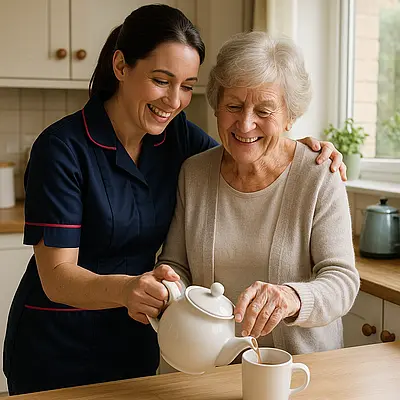
Palliative care is not only about symptoms. It is also about protecting the parts of life that still bring comfort and identity. That might mean opening curtains at the usual time, enjoying a favourite radio programme, sitting in the garden, or sharing tea with family. Familiar routines can create calm, confidence, and a sense of normality.

How palliative care supports hobbies and interests
Even when energy is limited, favourite activities can still be part of the day. We can support someone to listen to music, look through photographs, enjoy crafts, watch sport, or spend short periods outdoors. Gentle companionship support helps these moments feel shared, rather than difficult, and can lift mood for both the person and their family.

Gentle reablement support during palliative care
For some people, palliative care includes maintaining independence for as long as possible. That could mean pacing tasks, choosing the best time of day to get washed or dressed, or taking a few supported steps indoors. We focus on what feels realistic and comfortable, helping people do what they can without causing unnecessary strain or exhaustion.

How a loved one can support palliative care at home
A loved one can make a big difference by helping the person feel heard, respected, and emotionally safe. Often, the most valuable support is not doing everything alone, but noticing changes, sharing concerns, keeping routines gentle, and being present. Families can also help by making the home quieter, more comfortable, and easier to move around in.

Balancing family support with outside help
It is common for relatives to try to do everything, but that can quickly become overwhelming. Bringing in support does not mean stepping back emotionally. It means protecting your energy for the moments that matter. We can take on practical tasks like preparing simple meals, general housekeeping, and comfort checks so families can focus on connection.

Practical ways to care for a loved one with palliative needs
Try to keep communication simple and calm. Offer choices rather than instructions, pace activities around energy levels, and accept that needs may change from one day to the next. It can also help to keep a notebook of symptoms, food, sleep, and concerns. If caring is becoming too much, our home care can step in quickly and sensitively.

Why choose us for palliative care at home
We understand that inviting support into your home is a big decision. Families want consistency, kindness, and carers who notice the little things. Our approach is person-led, flexible, and respectful. We focus on comfort, dignity, and dependable routines, while helping families feel informed and supported rather than left to manage everything on their own.

Our home care support is shaped around your family
No two situations are the same. Some people need a few regular visits each week, while others need more frequent or overnight help. We can build support around symptoms, routines, and the pace that feels right for your household. If you are unsure where to start, we can talk through the options with warmth and honesty.