Understanding mobility care at home
Mobility care is all about staying as independent, safe, and confident as possible when walking, standing, or moving around becomes harder. We support people at home with everyday tasks, gentle movement, and reassurance, so life still feels familiar and fulfilling. Our home care team can adapt support to changing needs, giving you and your family peace of mind.

What mobility care means day to day
Mobility difficulties can be linked to many conditions, from arthritis and frailty to stroke or Parkinson’s. Our support is shaped around you: confident transfers, safe walking indoors, and help with washing, dressing and general personal hygiene. We build trust and consistency, so every movement feels steadier, calmer, and less overwhelming for you and your loved ones.
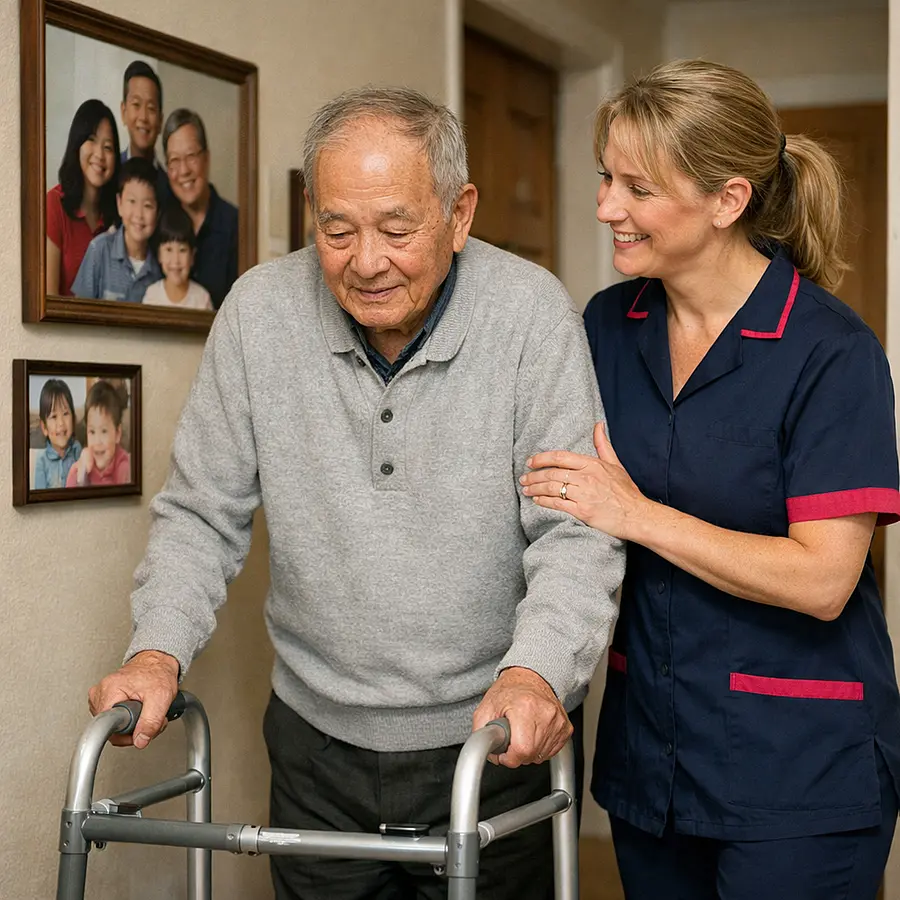
What is mobility care in home settings?
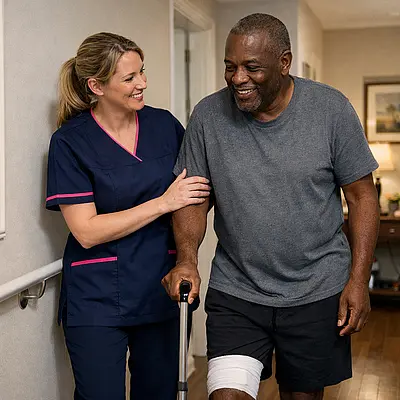
At home, mobility care focuses on safe movement in familiar spaces: getting out of bed, using the bathroom, preparing food, or moving between rooms. We can work alongside physiotherapists or nurses, support existing exercise plans, and help manage related conditions like arthritis or frailty, always at your pace and comfort level.

Who might benefit from specialist mobility care?
People may need extra mobility support after a fall, surgery, illness, or as part of a longer-term condition such as Parkinson’s, stroke, or multiple sclerosis. We can provide regular visits or more intensive support, helping manage fatigue, pain, and confidence, while always aiming to maintain or gently improve what someone can safely do for themselves.

Can mobility difficulties be supported at home?
Yes. Many people with reduced mobility prefer to stay in their own homes, surrounded by familiar routines and possessions. We help make this possible with tailored support, from safe transfers and positioning to light household tasks and laundry. We can also liaise with healthcare professionals, making sure home life and clinical advice work smoothly together.
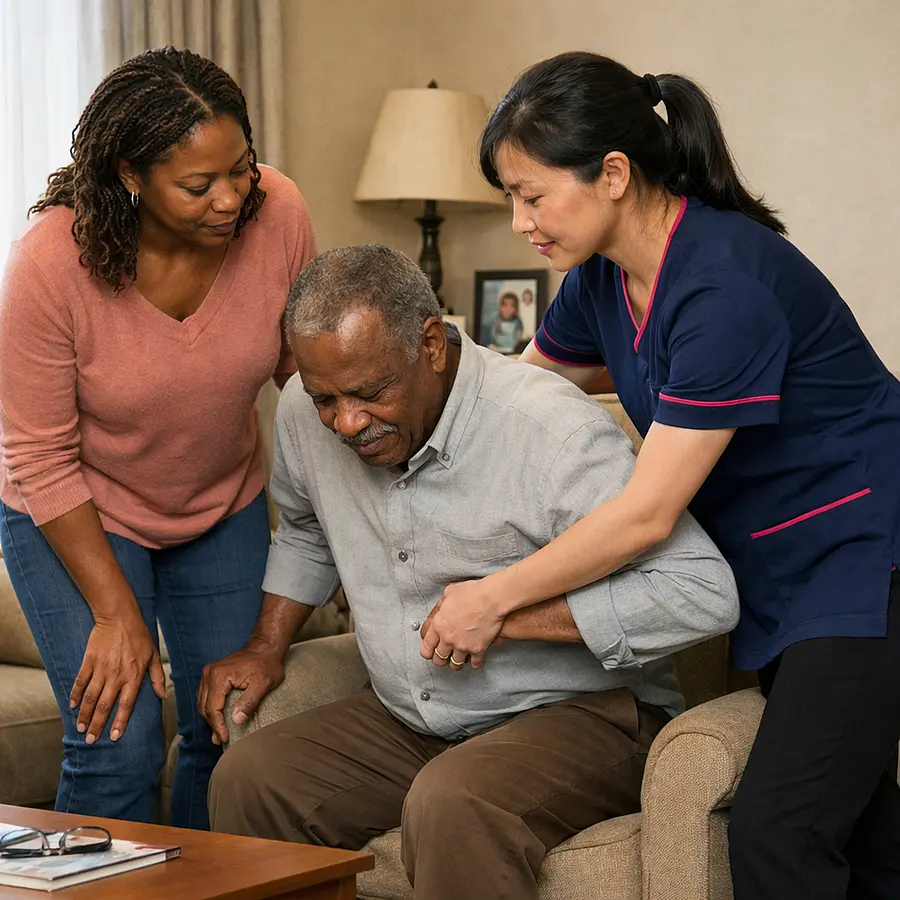
Home-based mobility care for different lifestyles
Home care can be as flexible as you need it to be. Some people choose a short daily visit to get up, washed and settled with breakfast. Others benefit from longer visits or night-time supervision and support. Whatever your routine, we’ll build a plan that respects your habits, preferences, and privacy while keeping you safe.
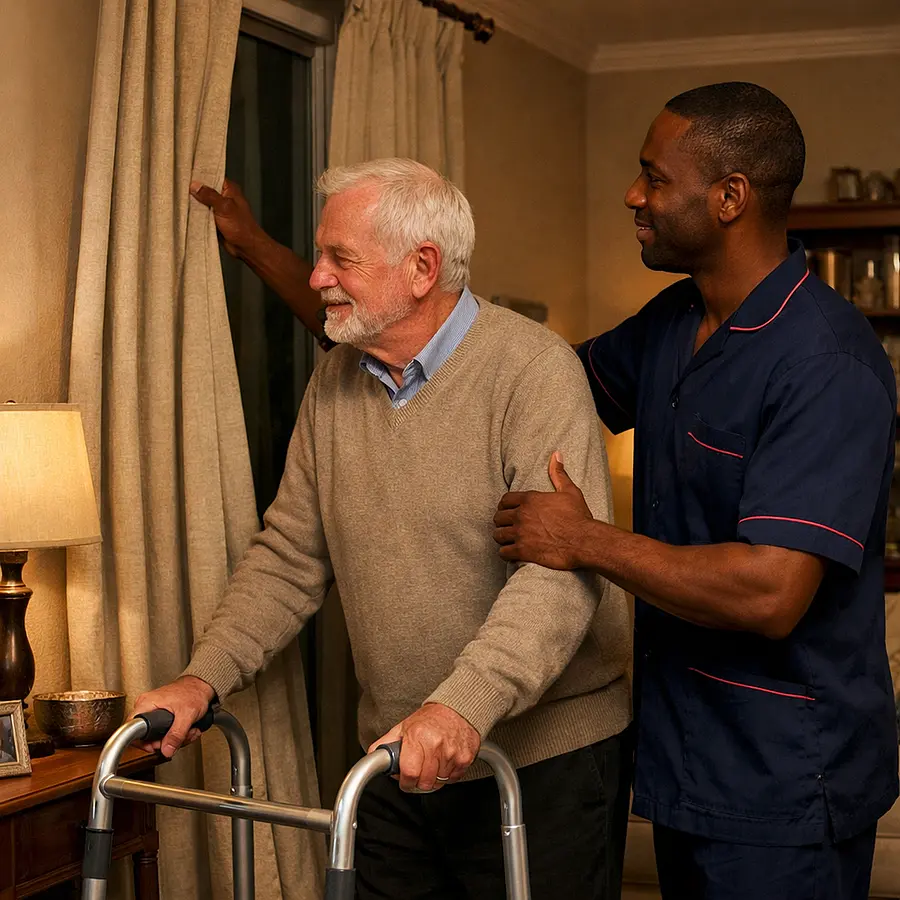
Mobility challenges and common symptoms
Mobility issues can show up as unsteadiness, slower walking, difficulty getting out of chairs, struggling with stairs, or feeling anxious about falling. Pain, stiffness, muscle weakness, or dizziness are also common. Some people notice changes after illness or surgery; others have gradual decline. We can help you recognise early signs and arrange support before small wobbles turn into avoidable accidents or hospital stays.

Linked health conditions that affect mobility
Reduced mobility often connects with other health issues such as age-related frailty, hip or knee replacement recovery, breathlessness, or diabetes. Our carers take a whole-person approach, noticing how different conditions interact and adjusting support to reduce risk of falls, pressure sores, and hospital admissions while protecting dignity and independence.

How we can support mobility care at home
Our carers can assist with safe movement, including getting in and out of bed, using the toilet, and moving between chairs. We also support gentle exercises recommended by therapists, and provide companionship and emotional encouragement. By working step by step, we help rebuild confidence, reduce fear of falling, and make everyday tasks feel achievable again.
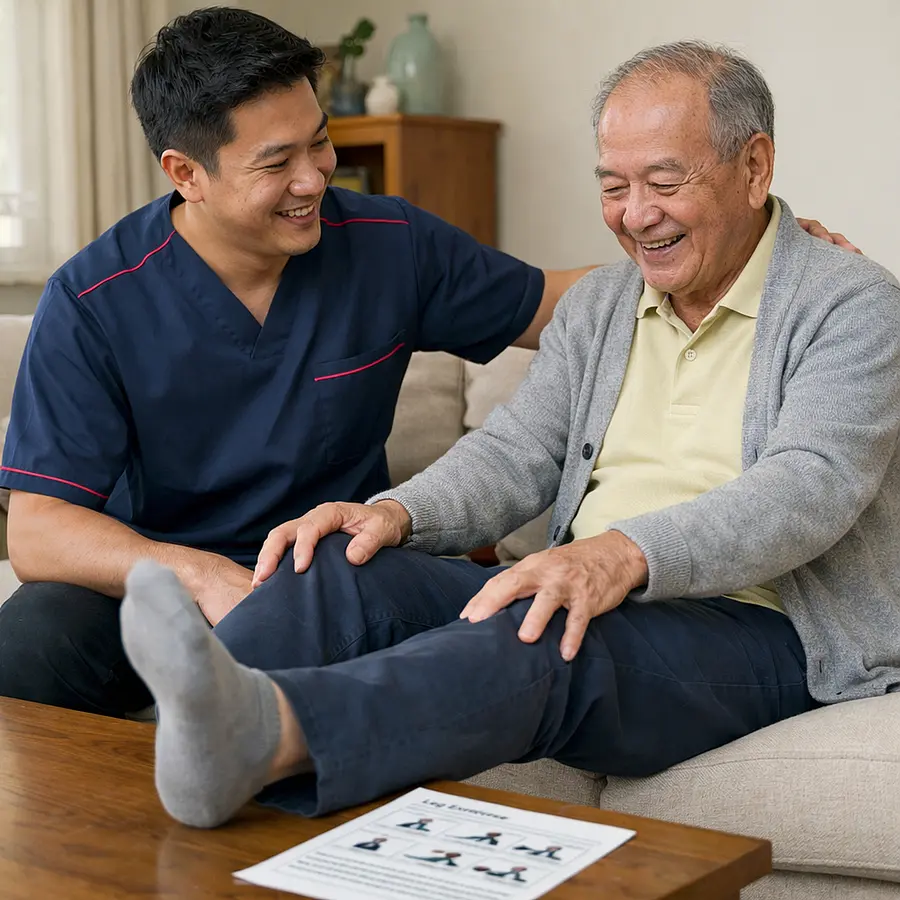
Practical mobility help around the home
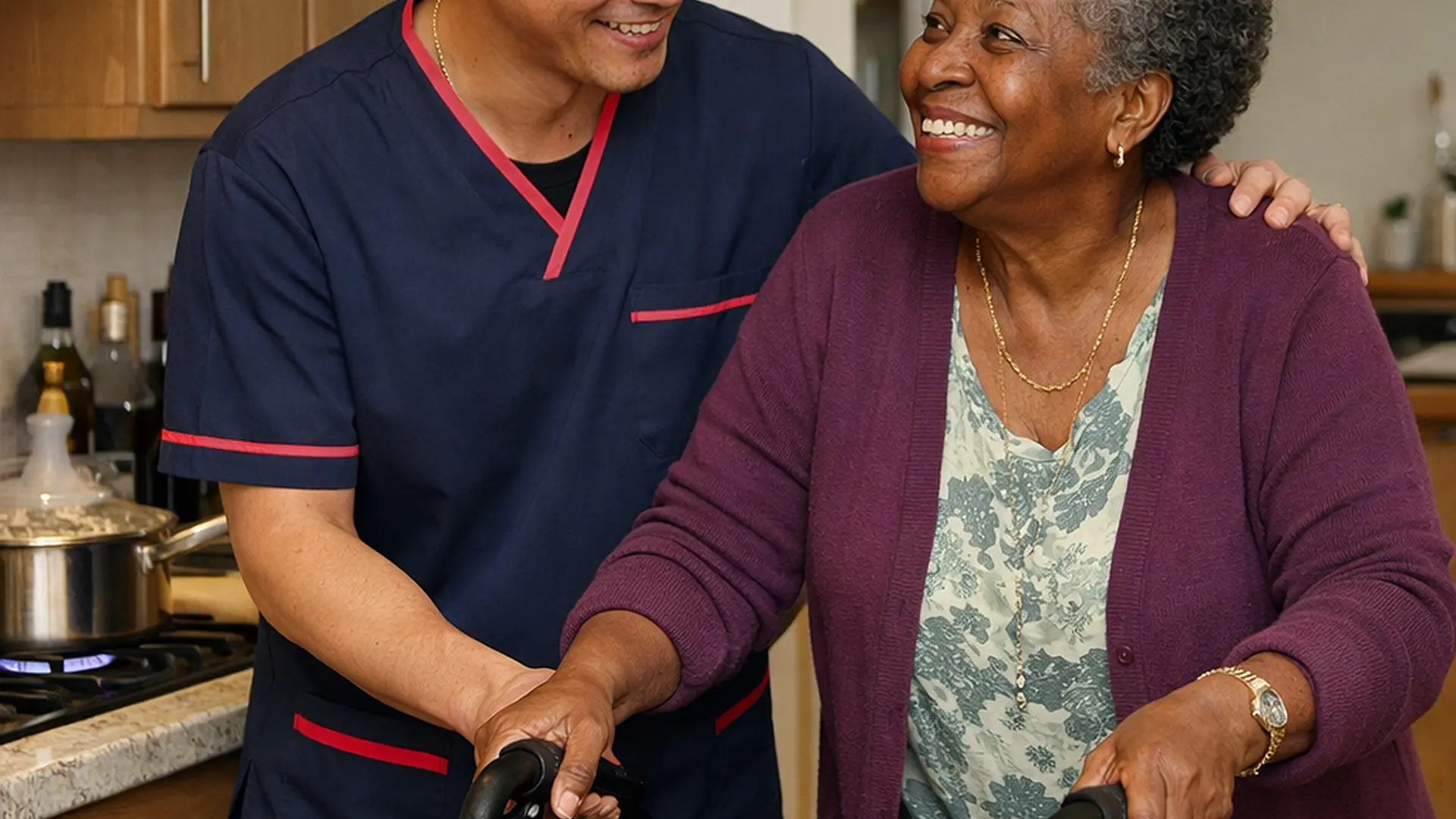
Mobility care often includes help with preparing meals and drinks safely, support with housework, bed changing and light cleaning, and assistance to attend appointments or social activities. We can also remind or support with taking medication on time, making sure every part of the day works together to conserve energy and reduce strain.

Ongoing mobility care that adapts with you
Mobility needs can change over time. We regularly review your care plan so support can increase, reduce, or shift focus as needed. That might mean introducing overnight reassurance and repositioning, more frequent daytime visits, or extra help after hospital stays. Our aim is always to match the right level of support to what matters most in your life.
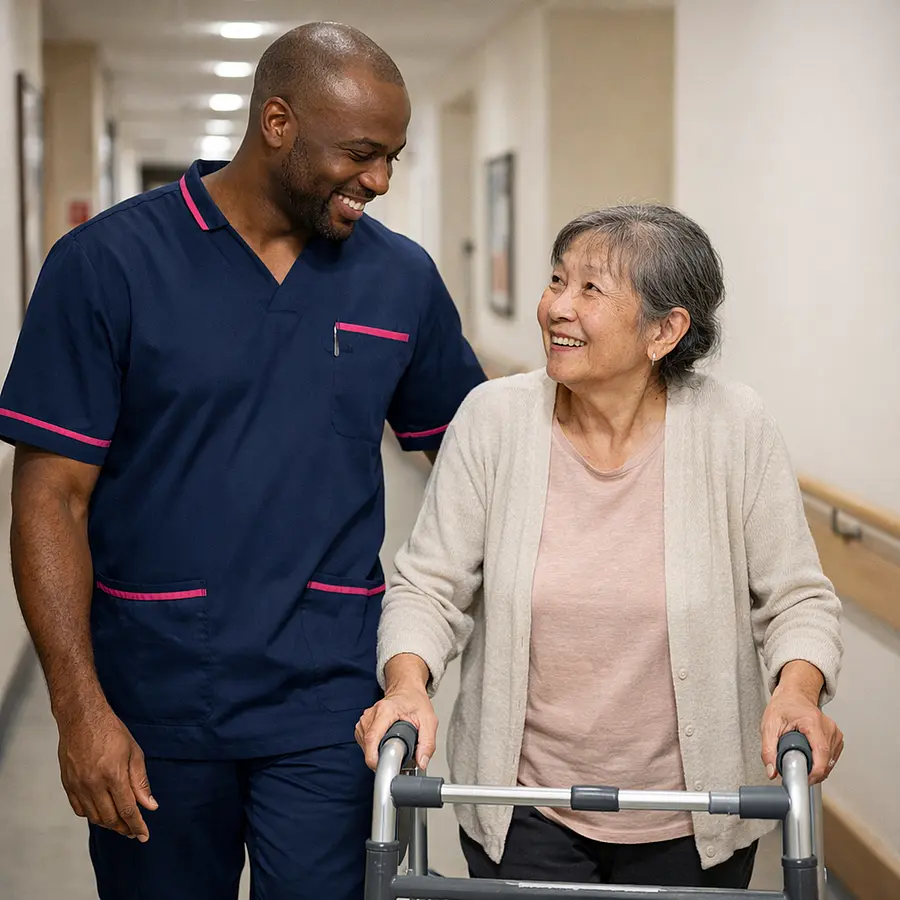
Mobility care that supports hobbies and interests
Maintaining hobbies is vital for wellbeing, even when mobility changes. We can help you access the garden, attend a local club, or set up favourite crafts at the kitchen table. Our carers offer social interaction and conversation, encouraging you to keep doing what you love, whether it’s reading groups, faith activities, or simply feeding the birds from the patio door.

Reablement-focused mobility care after illness or injury
After a fall, fracture, or surgery, confidence can drop quickly. Our reablement approach focuses on small, realistic goals such as walking to the bathroom, standing to make a drink, or practising steps with handrails. We work alongside guidance like returning home safely after a hip fracture, always balancing safety with gentle independence-building.
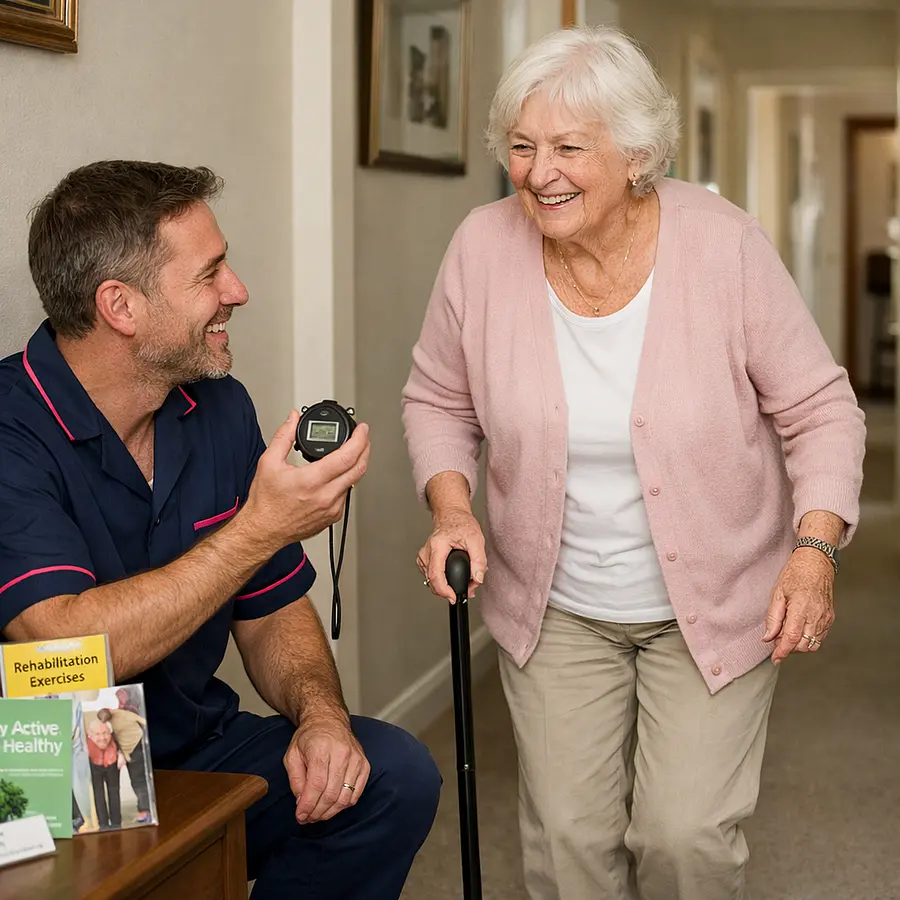
Meaningful days with limited mobility
Life doesn’t have to shrink when walking gets harder. With planning and support, many people still enjoy outings, family visits, or local groups. Our carers can help you follow ideas like planning meaningful days out with mobility challenges, ensuring transport, access, medication, and rest breaks are all considered so the day feels enjoyable, not exhausting.

How loved ones can support mobility safely
Family members play a huge role in supporting mobility. Simple actions like decluttering walkways, ensuring good lighting, and checking footwear can make a big difference. We can show you safe ways to assist with standing and transfers, and share guidance such as simple home adaptations to reduce trip hazards, protect your back, and keep your loved one feeling secure.
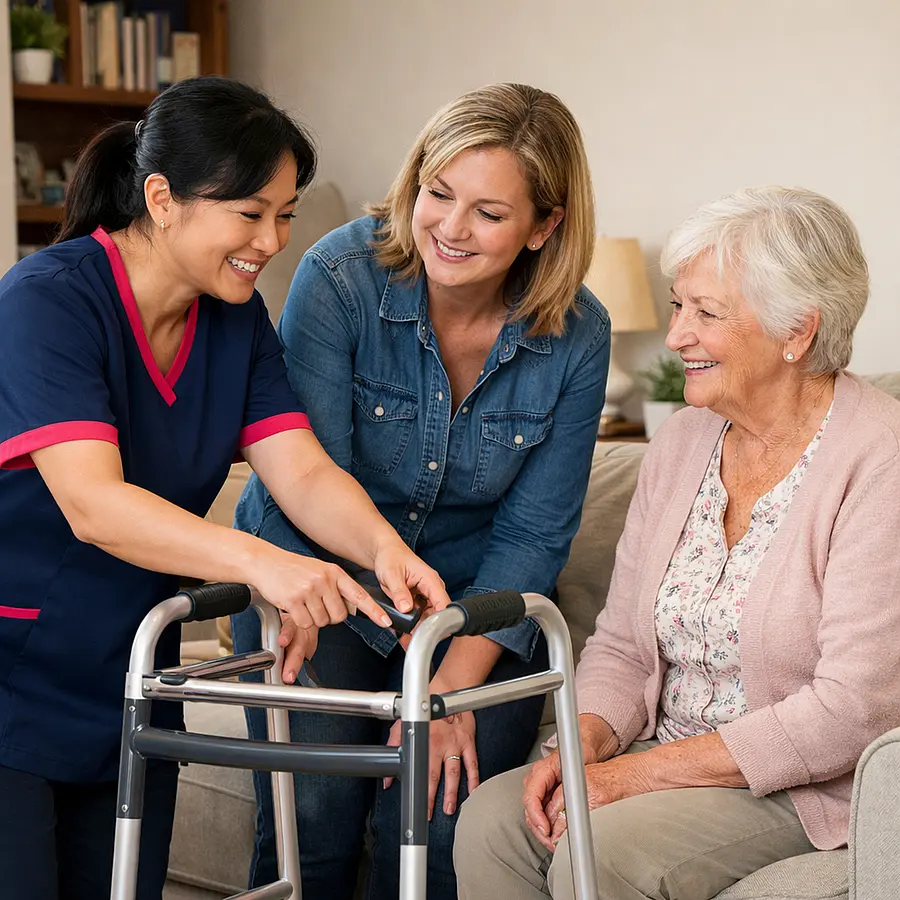
Emotional support from family and friends
Mobility changes can be frustrating and upsetting. Loved ones can help by listening, offering reassurance, and giving choices wherever possible. Planning small outings, shared TV time, or gentle indoor activities together helps combat loneliness. If you feel unsure where to start, our carers can model conversations and approaches that blend encouragement with empathy, reducing tension around accepting help and mobility aids.

How you can care for a loved one with mobility needs
Caring for someone with mobility challenges involves balancing support and independence. You might help with bathing, dressing, and toileting, organise medication and pain relief, and prepare meals that are easy to manage. We can step in to share the load, offering regular visits or respite so you can rest, work, or focus on being a partner, child, or friend again.

Looking after yourself while you’re caring
It’s easy to put your own needs last when supporting someone with reduced mobility. Over time, this can lead to back strain, exhaustion, or burnout. We can provide flexible visits, including sit-in support so you can have time out. Talking openly about what’s hard and accepting help is not a failure; it’s a vital part of sustainable, loving care.

Why choose us for mobility care at home?
We understand that every step, transfer, and movement matters. Our carers are trained in safe techniques, moving and handling, and supporting complex conditions, from later-life frailty to acquired brain injury. We take time to understand your goals, listen to your worries, and build a consistent team you and your family can really trust.

Trusted home care tailored to your mobility needs
From occasional check-ins to more intensive support, we shape mobility care around your lifestyle, medical needs, and family situation. We can also signpost wider guidance like care needs assessments and funding options. If you’re unsure what help is possible, we’ll talk it through with you and create a practical plan that feels achievable and reassuring.