

Understanding dementia care at home
Dementia care at home focuses on helping someone live safely, comfortably, and meaningfully in familiar surroundings. We support daily routines, medication, personal care, and emotional wellbeing, always at the person’s pace. Our home care team works alongside families, offering guidance, reassurance, and practical help so you don’t feel alone with the responsibilities of supporting a loved one.

What is dementia and how does it affect daily life?
Dementia describes a group of conditions that affect memory, thinking, and communication. It can make everyday tasks, like preparing meals or managing appointments, feel confusing or overwhelming. People may become forgetful, anxious, or withdrawn. Our role is to reduce stress, maintain independence, and gently adapt routines so life remains as familiar, safe, and enjoyable as possible at home.
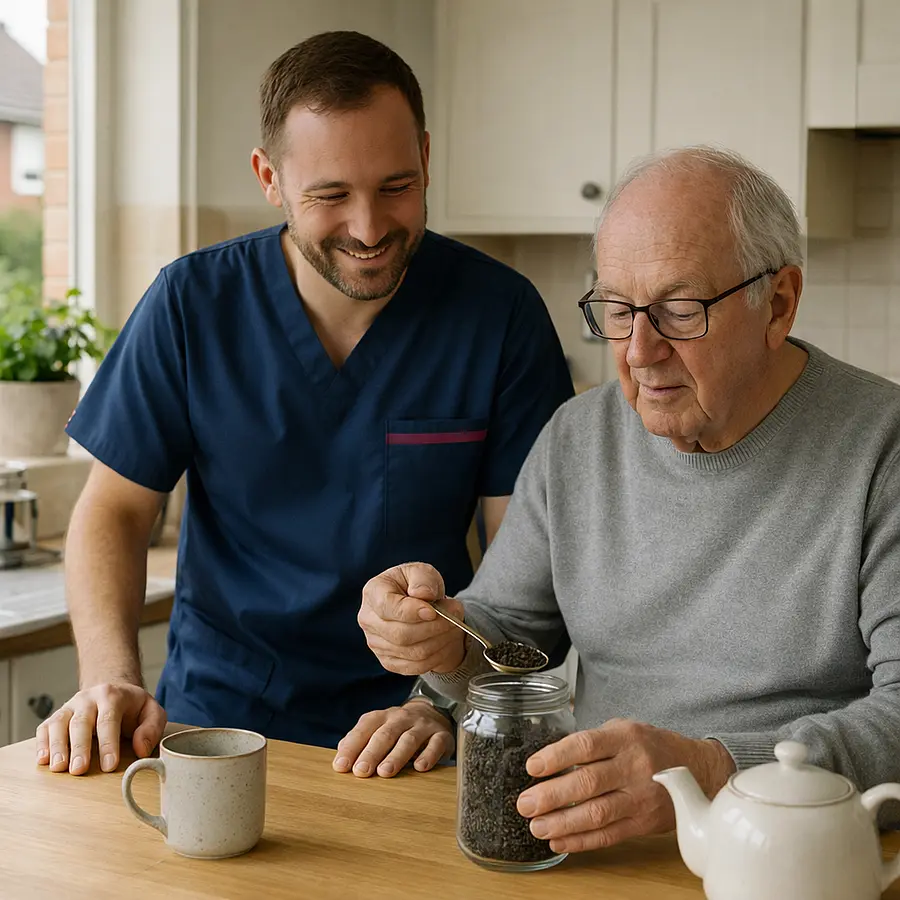
Types of dementia care and changing needs
Dementia affects everyone differently, and care should reflect that. Someone with early memory changes may only need a little prompting and companionship, while advanced dementia may require full support with washing, dressing, and mobility. We tailor home visits or live-in care to your loved one’s specific symptoms, personality, and preferences, adjusting our approach as their needs evolve over time.

Can dementia care be provided safely at home?
Yes, many people with dementia are safely and happily supported at home, often for many years. With the right routines, safety checks, and professional guidance, home can remain a familiar anchor. We assess risks, suggest simple adaptations, and provide hands-on support, so your loved one can stay in the place they know best while you gain confidence in their day-to-day wellbeing.
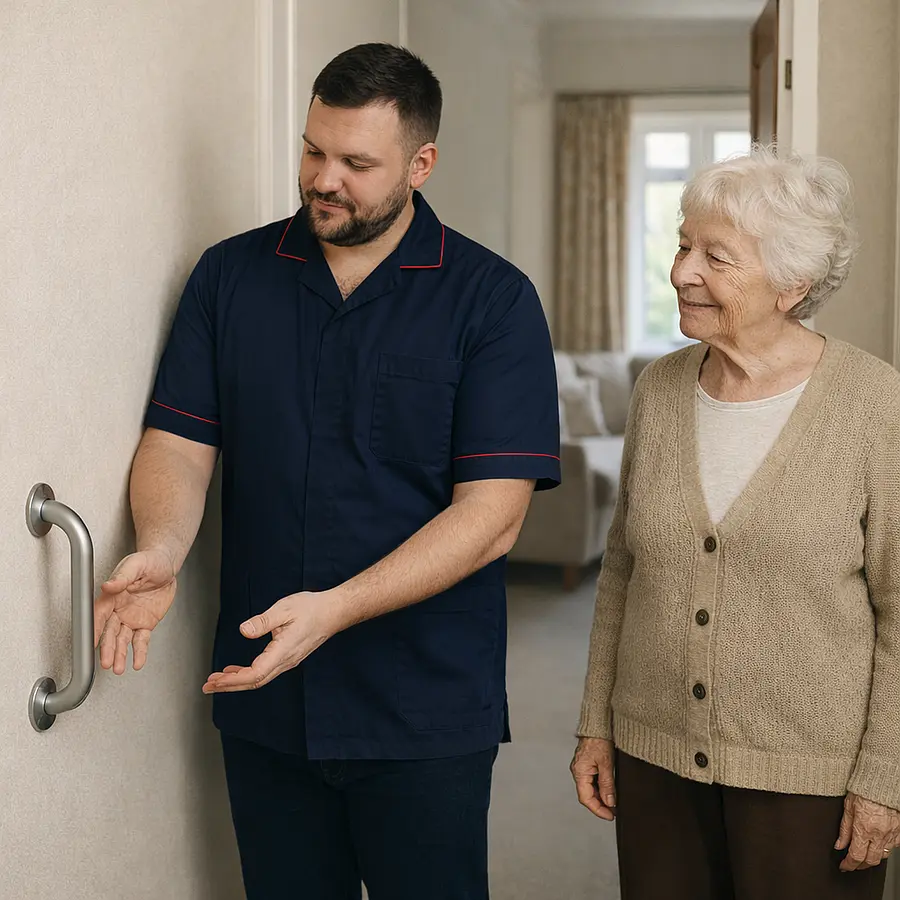
Home-based dementia care versus residential settings
For many families, remaining at home feels less disruptive than moving into residential care. Familiar surroundings, personal possessions, and neighbours can all help reduce confusion and anxiety. Our home care services are flexible, from short daily visits to full-time live-in support, allowing you to scale help around changing needs while preserving privacy, routines, and cherished community connections.

How loved ones can support dementia care every day
As a family member, you play a crucial role in emotional security. Keeping a calm tone, using short, clear sentences, and allowing plenty of time for responses can reduce frustration. Simple routines—morning tea together, a daily walk, listening to favourite music—offer comforting structure. We can help you shape these routines and share techniques that make communication easier and more reassuring.

Practical support from family and friends
Small, practical actions make a big difference: labelling cupboards, keeping keys in one place, using large-print calendars, or preparing snacks in advance. Try to limit background noise, like loud TV, which can be confusing. Accepting help from friends or neighbours—perhaps sharing lifts to appointments or arranging check-in visits—can also ease the pressure on you as a primary carer.
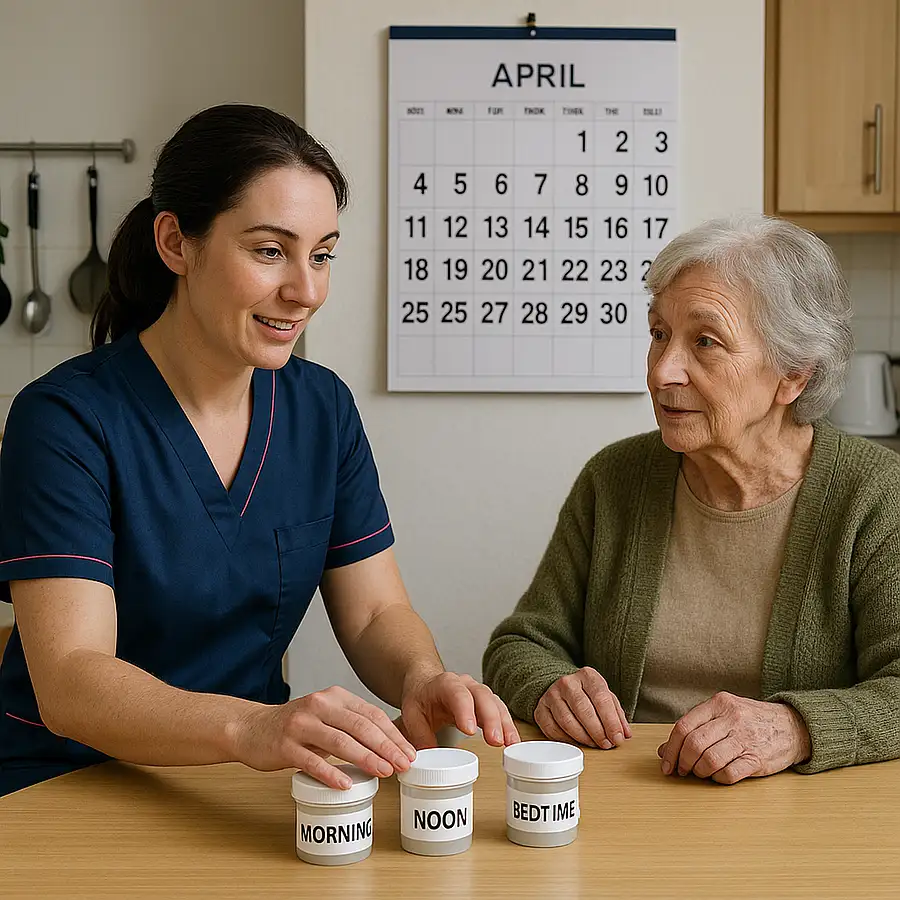
Emotional support for someone living with dementia
Dementia can feel frightening and disorientating. Reassurance is as important as practical help. Validating feelings—“I can see this is upsetting”—and gently redirecting to a calming activity can reduce distress. We use compassionate communication, consistent faces, and predictable routines so your loved one feels secure, respected, and valued, even when words or memories become harder to access.

Dementia care that facilitates hobbies and interests
Staying connected to favourite hobbies can spark joy and preserve identity. Whether your loved one enjoys gardening, puzzles, knitting, or football, we weave those interests into daily routines. Even if complex tasks become difficult, we adapt activities to their abilities, focusing on enjoyment rather than achievement, so they continue to feel like themselves and look forward to moments of pleasure.

Supporting creativity and meaningful activities
Creative activities stimulate memories and conversation. We might encourage simple painting, sorting buttons by colour, singing along to favourite songs, or baking together. These tasks can reduce anxiety, improve mood, and offer a sense of purpose. Our carers get to know your loved one’s life story, then design personalised activities that feel familiar, dignified, and achievable, rather than childish or overwhelming.

Community and social engagement in dementia care
Social contact can prevent isolation and lift mood. Short visits to a local café, gentle walks, or small family gatherings often feel more manageable than busy events. We can accompany your loved one to groups, faith services, or local activities, or simply provide regular companionship at home, ensuring they stay connected to people and places that bring comfort and meaning.

How you can care for a loved one with dementia
Caring for someone with dementia is both rewarding and demanding. Try to focus on what your loved one can still do, rather than losses. Break tasks into small steps, offer choices instead of instructions, and keep a predictable daily pattern. We can share specialist techniques and take on practical tasks, giving you more time to enjoy simply being family together.

Balancing your wellbeing as a dementia carer
Your wellbeing matters too. Tiredness and stress can make caring feel overwhelming. Building in short breaks, accepting help, and talking openly about how you feel are crucial. We can provide regular respite visits or live-in support so you can rest, work, or spend time with friends, knowing your loved one is safe, supported, and treated with kindness at home.
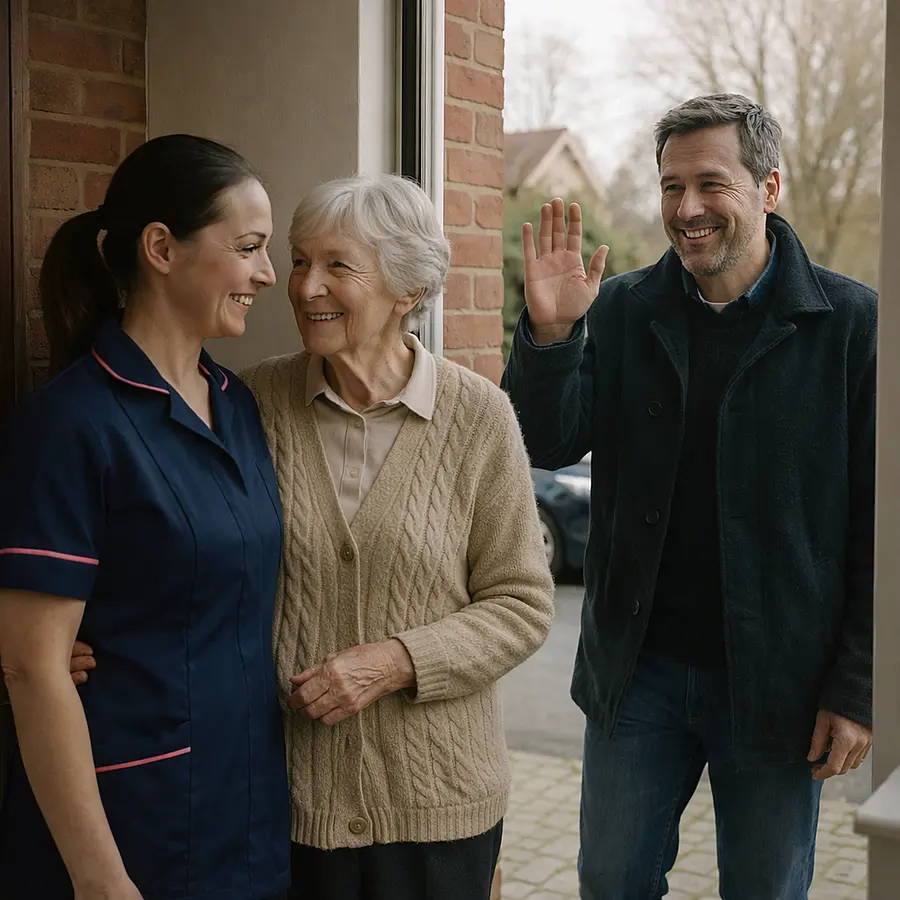
Planning ahead with professional dementia care
Dementia is progressive, so planning ahead reduces crisis decisions. Talking early about wishes around routines, visitors, and future care helps everyone. We can work with you to create a flexible care plan that can grow from occasional visits to full-time support if needed, ensuring continuity, dignity, and comfort at each stage of your loved one’s journey.