
A female black caregiver wearing a tunic uniform with color 00072b and with an accent color e51974 is sitting next to a senor man with her arm around his shoulder. he looks lost and confused. she is reassuring him. in a dright and caringing living room environment

Dementia & Day to Day Living

Dementia affects daily life in many different ways, including cognition, memory, communication, and behaviour. Understanding these changes can help families adapt routines and environments to support comfort, stability, and wellbeing.

Understanding how dementia affects daily life

Dementia describes a group of conditions that affect thinking, memory, and behaviour. Symptoms vary depending on the type of dementia, but common changes include memory loss, reduced concentration, and altered personality or judgement. These shifts gradually influence everyday life, making familiar routines harder to manage and often requiring increased support over time.

A caucasian male caregiver in a tunic uniform with color 00072b and with an accent color e51974 with a middle aged adult helping with daily tasks while supporting Frontotemporal dementia

How daily routines can change over time

Because dementia is progressive, a person with dementia may move from managing independently to needing reminders or hands-on assistance with daily tasks. Early changes may include forgetting meals or medication, while later stages can involve needing physical help with washing, dressing, or eating. These gradual shifts can feel challenging for both the person with dementia and those around them.

A Caucasian female caregiver in a 00072b tunic with e51974 accent guiding an older adult through a morning routine in a bright bedroom calm expressions supportive interaction realistic detail.

Changes in cognitive ability

Cognition includes skills like reasoning, problem-solving, and memory. When these abilities decline, tasks that once felt simple (like planning meals, managing finances, or remembering appointments) can become challenging. Some people begin with mild cognitive impairment, which may or may not be linked to dementia. Regardless of the cause, a noticeable change in thinking or clarity can feel unsettling and should be explored with a GP.

A realistic kitchen table scene where a Caucasian female caregiver in a 00072b uniform with e51974 accent places clearly labelled containers in front of an older woman both talking calmly with a large print calendar on the wall highlighting practical home adaptations.

Understanding memory changes

Memory lapses are often one of the earliest signs families notice. Forgetting appointments, misplacing items, or repeating questions can all indicate changes in short-term memory. While being forgetful is not always dementia, memory loss can affect wellbeing if essential tasks (like eating, hygiene, or medication) are missed, making structured routines increasingly important.

A realistic scene in a bright living room where a Caucasian female caregiver in a 00072b tunic with

How judgement and attention can be affected

Dementia can make it harder to follow conversations, stay focused, or remember that information has already been shared. A person may repeat stories, ask the same question, or lose track of discussions. These behaviours are not intentional; they reflect changes in the brain. Patience, repetition, and clear communication support more comfortable interactions for everyone involved.

A caucasian female caregiver wearing a tunic uniform with color 00072b and with an accent color e51974 holding a senior womans hand who has a cover round her shoulders sitting on a sofa in a bright living room setting the senior woman i smiling and is comfortable

Understanding behaviour changes

Some types of dementia, particularly those affecting the frontal lobes, can lead to changes in behaviour or social awareness. A person with dementia may act impulsively, use inappropriate language, or seem less aware of others’ feelings. These behaviours can be surprising or distressing for families, but they result from changes in the areas of the brain linked to judgement, inhibition, and emotional understanding.

A Caucasian male caregiver in a 00072b tunic with e51974 accent offering calm reassurance to an older adult showing signs of agitation natural indoor setting warm and supportive mood.

Ways to support daily life positively

Many daily challenges become easier with patience, gentle communication, and a willingness to step into the person’s perspective. Understanding why a behaviour occurs—such as searching cupboards for a misplaced item—can reduce frustration for both sides. Small adjustments, humour, and reassurance help create calmer, more predictable days that support wellbeing and comfort.

A caucasian female caregiver in a tunic uniform with color 00072b and with an accent color e51974 assisting an adult living with HIV associated dementia providing reassurance and support with daily tasks in a calm home environment.

Use Compassionate Responses

In some situations, correcting a person’s belief can cause unnecessary distress, especially if they are asking for someone who has passed away or believe they need to be somewhere familiar from their past. In these moments, offering comfort, reassurance, or a calm alternative response can be kinder than insisting on the factual truth. This approach, sometimes called a “therapeutic” or “compassionate” response, focuses on reducing anxiety rather than challenging the person’s reality.


A realistic front room scene with a Caucasian female caregiver in a 00072b tunic with e51974 trim opening curtains beside an older man seated in his favourite armchair surrounded by family photos both smiling reinforcing comfort and continuity at home.
Hands of young adult and senior women over green b
Contact Us

Contact us to arrange Dementia Care at home

If you're looking for support with daily living for some one with dementia, we're here to help. Our friendly team is ready to offer guidance, answer your questions, and arrange dementia care tailored to your or your loved ones' needs in their own home. Reach out today for personalised advice and support.

Dementia & Day to Day Living FAQ's

You’re bound to have questions when exploring your home care options, so we’ve answered some of the most common ones below.

Dementia changes how different parts of the brain work, making tasks like planning, sequencing steps, or remembering routines more difficult. Even familiar activities may need more time, prompts, or simplification as the condition progresses.

A person may find it harder to find words, follow conversations, or interpret body language. Clear speech, limited background noise, and visual cues often help communication feel easier.

Damage to areas of the brain responsible for judgement, inhibition, and social understanding can lead to unexpected behaviours. These may include impulsivity, inappropriate comments, or reduced awareness of others’ feelings.

This can happen when areas of the brain linked to empathy or emotional response are affected. It is not a deliberate choice; it reflects neurological change.

Concentration can be affected by changes in how the brain processes information. A person with dementia may lose track of tasks or conversations more easily, especially in busy or noisy environments.

Not always. Behavioural changes are more common in certain types, such as frontotemporal dementia. Others may primarily affect memory or spatial awareness instead.

Adapting routines, using clear communication, simplifying tasks, and maintaining a calm environment all help. Trying to understand the person’s perspective often reduces frustration and supports more positive daily interactions. It is also important not to try and correct the persons reality, as this can unnecessary frustration and upset.

Repetition happens because new information may not be stored properly, meaning the person with dementia cannot recall asking or telling something before. It is not intentional and reflects changes in short-term memory processing.

Yes. Difficulty assessing risks, making decisions, or understanding consequences is common because dementia affects the brain’s reasoning and decision-making centres.

Memory loss is common, but not always the earliest symptom. Some types of dementia first affect behaviour, problem-solving, or social awareness. Early signs vary depending on which areas of the brain are impacted.

We proudly provide high-quality home care across the East Midlands, in an around the towns and cities detailed below.

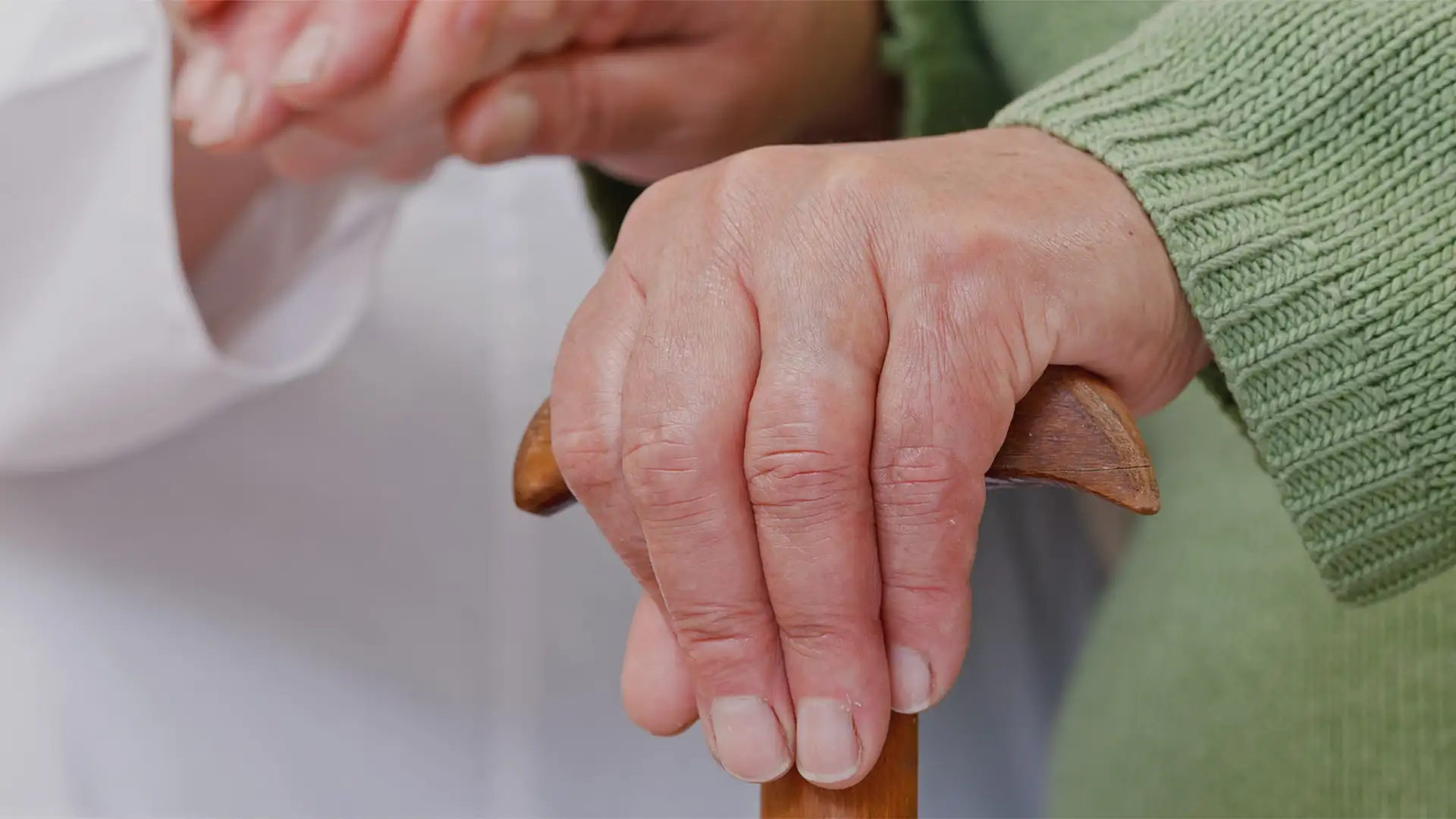
Elderly hands on a walking sitck

We're becoming a fully regulated service

While we are not currently regulated, meaning there are some services we cannot currently provide, we are in the process of registering to become a fully regulated service.

CQC
Elderly hands on a walking sitck

Call us to find out more about Dementia & Day to Day Living

East Midlands

We proudly provide high-quality home care across the East Midlands

Our Reviews

We’re proud of the trust families place in us. Here’s what some of the people we support, and their loved ones, say about our home care services.

"Really helped me with keeping on top of my house work since my parkinson's has progressed."

Mark T

"Great support for my mum after she lost her confidence after a fall and hospital stay."

Sarah L

"They have been a great help with keeping on top of my dads laundry and general house cleaning as he is bed bound and have been being changed daily."

Emily R

Senior woman hand in caregiver hands

Join The Good News Newsletter

Be the first to discover exclusive offers, and service updates. Your journey to independent living starts here - where everything truly is fine.


Contact The Good Place

We’d love to hear from you! Whether you have questions, want to learn more about our home care service, or are ready for us to start supporting you or your loved one, our good people are here to help. If you are looking to make a complaint, you can contact our Registered Manager or Nominated Individual directly.

Send Us a Message


Elderly hands on a walking sitck

Working in Partnership

We work closely within the community to provide safe, compassionate, reliable home care that supports independence, dignity, and improved wellbeing while remaining at home.

NHS
Derbyshire County Council
Staffordshire County Council