
A caucasian male caregiver in a tunic uniform with color 00072b and with an accent color e51974 with a middle aged adult helping with daily tasks while supporting Frontotemporal dementia

Types of Dementia

There are many different types of dementia, but some occur much more than others. Dementia is a term used to describe a range of different conditions that affect the brain. In fact, dementia isn’t a condition in its own right and is used as an umbrella term to describe a group of symptoms that are caused by a diagnosed health condition, such as Lewy body dementia or Alzheimer’s.

Alzheimer’s disease

Alzheimer’s disease is the most common form of dementia. It starts with short-term memory loss, difficulty recalling names or recent events, and challenges with daily tasks. Over time, reasoning, language and problem-solving skills decline. People may become disoriented and require more assistance. Recognising early patterns helps families prepare, provide supportive care, and maintain engagement in familiar routines to encourage independence for as long as possible.
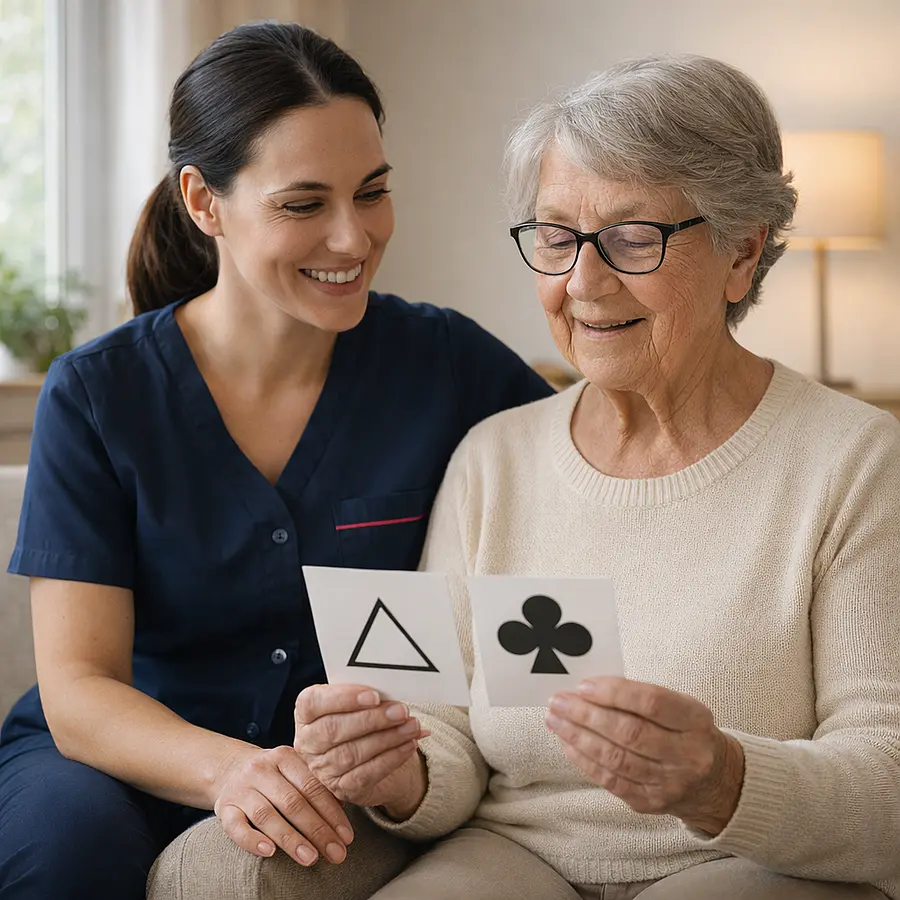
A caucasian female caregiver wearing a tunic uniform with color 00072b and with an accent color e51974 gently helping an older adult with memory exercises smiling warmly in a sunlit living room.

Vascular dementia

Vascular dementia is caused by reduced blood flow to the brain, often after strokes or long-term small vessel disease. It can lead to slowed thinking, difficulty planning, challenges with problem-solving and abrupt changes in abilities. Symptoms may progress in steps rather than gradually. Recognising these patterns helps families provide structured routines and support that match the individual’s needs, ensuring safety and encouraging continued independence at home.

A caucasian female caregiver in a tunic uniform with color 00072b and with an accent color e51974 assisting an older adult with planning tasks pointing to a simple checklist with calm reassurance in a tidy home environment.

Lewy body dementia

Lewy body dementia develops when abnormal protein deposits accumulate in the brain. People may experience visual hallucinations, fluctuating attention, sleep disturbances, and movement difficulties similar to Parkinson’s. Abilities can change from one day to the next, making consistent routines important. Understanding these shifts allows families to provide reassurance, reduce anxiety, and maintain engagement in daily activities that align with the person’s fluctuating cognitive and physical abilities.

A caucasian female caregiver in atunic uniform with color 00072b and with an accent color e51974 calmly guiding an older adult through daily tasks supporting fluctuating alertness with a warm and reassuring expression.

Frontotemporal dementia

Frontotemporal dementia affects the frontal and temporal lobes of the brain, often leading to behavioural changes, personality shifts, and language difficulties. Memory may remain relatively intact early on. People may act impulsively or lose social awareness, which can be confusing for family members. Understanding these patterns helps loved ones adjust communication, provide structure, and offer reassurance, while caregivers support safe routines that respect the individual’s dignity and evolving abilities.

A caucasian male caregiver in a tunic uniform with color 00072b and with an accent color e51974 with a middle aged adult helping with daily tasks while supporting Frontotemporal dementia

Mixed dementia

Mixed dementia occurs when more than one type of dementia is present, most commonly Alzheimer’s combined with vascular changes. Symptoms can overlap, leading to memory problems, cognitive decline, and behavioural challenges that vary in intensity. Understanding the combination allows families to provide personalised care, create structured routines, and monitor changes carefully, ensuring the person receives support tailored to their specific cognitive and physical needs throughout daily life.

A caucasian femal caregiver in a tunic uniform with color 00072b and with an accent color e51974 with a middle aged adult helping with daily tasks while supporting multiple cognitive challenges mixed dementia

Posterior cortical atrophy dementia

Posterior cortical atrophy is a rare form of dementia that affects the back of the brain, impairing visual processing. People may struggle to recognise faces, judge distances, or navigate familiar spaces despite intact eyesight. These difficulties can make daily activities challenging. Understanding the visual symptoms allows families and caregivers to adapt the home environment, provide clear guidance, and offer patient, supportive assistance to maintain independence safely.
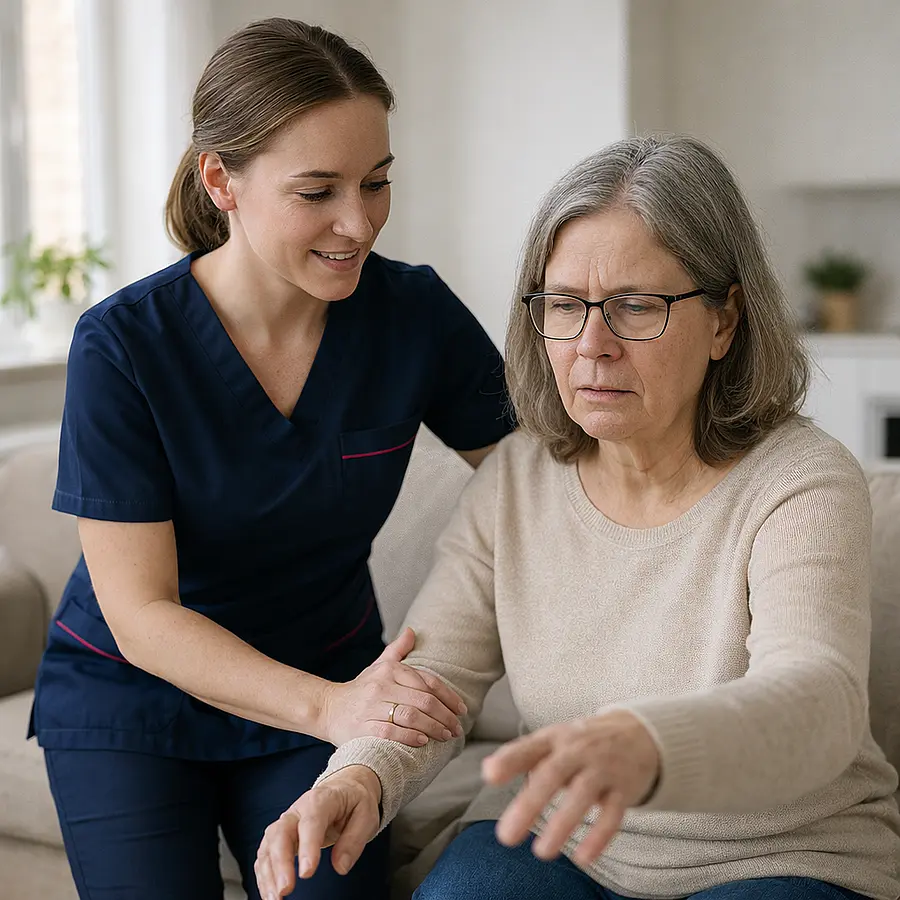
A caucasian femal caregiver in a tunic uniform with color 00072b and with an accent color e51974 with a middle aged adult with Posterior cortical atrophy in a bright home setting

Korsakoff syndrome dementia

Korsakoff syndrome is caused by severe thiamine (vitamin B1) deficiency, often linked to alcohol misuse. It primarily affects memory, making it difficult to form new memories while older memories may remain intact. People may also confabulate, unintentionally creating false memories. Awareness of these symptoms helps caregivers offer reminders, create structured routines, and provide patient, reassuring support to minimise confusion and maintain daily functioning at home.

A caucasian femal caregiver in a tunic uniform with color 00072b and with an accent color e51974 gently prompting an adult with Korsakoff syndrome to recall recent events providing reassurance and structured memory support in a bright home setting.

Huntington’s disease dementia

Huntington’s disease is an inherited condition that gradually affects the brain, leading to movement difficulties, cognitive decline, and behavioural changes. Over time, memory, judgement and coordination can be impacted. Understanding these progressive symptoms allows families and caregivers to adapt daily routines, offer assistance with mobility and cognitive tasks, and provide emotional support while promoting independence wherever safely possible.

A caucasian femal caregiver in a tunic uniform with color 00072b and with an accent color e51974 helping an adult with huntingtons disease with movement and cognitive support offering guidance and reassurance in a comfortable home environment.

Parkinson’s disease dementia

Parkinson’s disease dementia develops in some people with Parkinson’s, typically several years after motor symptoms begin. Cognitive issues include slowed thinking, memory lapses, difficulty concentrating, and changes in visual-spatial awareness. Recognising these changes allows families to adapt routines, provide clear instructions, and offer patient guidance while assisting with daily activities and promoting safety within the home environment.

A caucasian femal caregiver in a tunic uniform with color 00072b and with an accent color e51974 assisting an adult with parkinsons disease with mobility and cognitive support providing reassurance and encouragement at home.

Creutzfeldt-Jakob disease dementia

Creutzfeldt-Jakob disease is an extremely rare, rapidly progressing dementia caused by abnormal prion proteins. Symptoms include rapid cognitive decline, coordination difficulties, behavioural changes, and memory loss. Early recognition is critical, allowing families and caregivers to provide compassionate support, maintain comfort, and ensure safety while adapting care to the fast-evolving needs of the individual.

A caucasian male caregiver in a tunic uniform with color 00072b and with an accent color e51974 providing close attentive support to an adult experiencing sudden cognitive decline ensuring comfort and safety.

Normal pressure hydrocephalus dementia

Normal pressure hydrocephalus occurs when cerebrospinal fluid builds in the brain, causing walking difficulties, urinary incontinence, and memory problems. Early detection can improve outcomes with treatment. Awareness of symptoms allows caregivers to support mobility, establish structured routines, and provide reminders, helping the individual maintain as much independence and comfort as possible in their home environment.
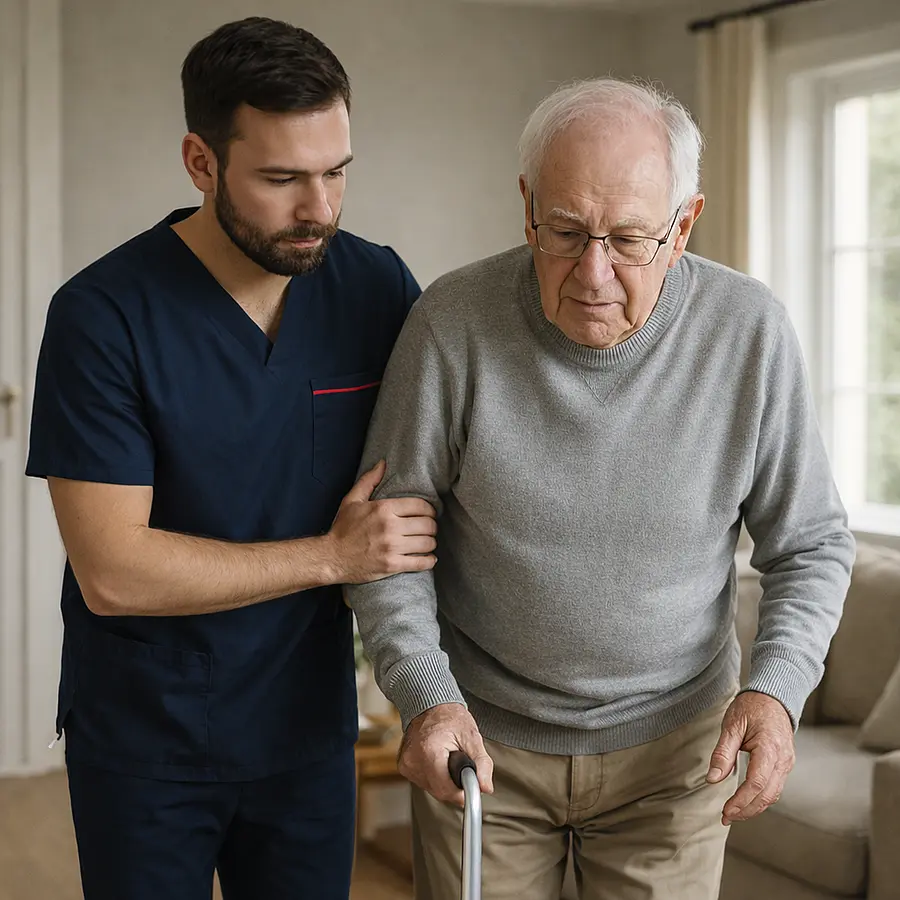
A caucasian male caregiver in a tunic uniform with color 00072b and with an accent color e51974 assisting an older adult with balance and walking support in a safe well lit home.

HIV-associated dementia

HIV-associated dementia occurs in some people living with long-term HIV infection, affecting memory, concentration, decision-making, and motor skills. Early recognition helps families and caregivers provide structured support, cognitive stimulation, and encouragement to manage daily tasks safely while maintaining independence and quality of life at home.

A caucasian female caregiver in a tunic uniform with color 00072b and with an accent color e51974 assisting an adult living with HIV associated dementia providing reassurance and support with daily tasks in a calm home environment.

Chronic traumatic encephalopathy dementia

Chronic traumatic encephalopathy (CTE) develops after repeated brain injuries. It can lead to memory loss, mood swings, behavioural changes, and cognitive difficulties. Awareness of CTE symptoms helps caregivers provide safe, structured routines, emotional support, and guidance for daily tasks while promoting stability and reducing risks in the home environment.

A caucasian male caregiver in a tunic uniform with color 00072b and with an accent color e51974 calmly guiding an adult with CTE through daily activities offering reassurance and gentle support in a home setting.

Wernicke encephalopathy dementia

Wernicke encephalopathy is a neurological disorder caused by thiamine deficiency, often associated with malnutrition or alcohol misuse. Symptoms include confusion, coordination difficulties, and eye movement problems. Early recognition allows caregivers to provide structured support, nutrition monitoring, and daily guidance to minimise confusion and maintain independence and safety at home.


A caucasian female caregiver in a tunic uniform with color 00072b and with an accent color e51974 supporting an adult with Wernicke encephalopathy offering physical assistance and reassurance in a bright safe home setting.
Hands of young adult and senior women over green b
Contact Us

Contact us to arrange Dementia Care at home

If you're looking for support with daily living for some one with dementia, we're here to help. Our friendly team is ready to offer guidance, answer your questions, and arrange dementia care tailored to your or your loved ones' needs in their own home. Reach out today for personalised advice and support.

Types of Dementia FAQ's

You’re bound to have questions when exploring your home care options, so we’ve answered some of the most common ones below.

Yes. Mixed dementia occurs when two or more types are present, often Alzheimer’s combined with vascular dementia. Symptoms can overlap, requiring personalised care and monitoring to manage the individual’s daily needs effectively.

Most dementia types are progressive, but some conditions, such as normal pressure hydrocephalus or Wernicke encephalopathy, may improve with early treatment and intervention.

Dementia symptoms differ based on the brain regions affected. Memory, behaviour, movement, or vision may be impacted depending on the type, progression, and individual factors.

Not necessarily. Some types, like frontotemporal dementia, primarily affect behaviour or language first. Posterior cortical atrophy (PCA) affects visual processing, while other rare types may show motor or coordination changes before memory issues appear.

Yes. Overlapping symptoms are common, especially in mixed dementia, making careful assessment essential to provide personalised care.

Yes. Huntington’s disease and certain early-onset Alzheimer’s forms are hereditary, while most other types are influenced by ageing, health, or lifestyle factors.

There are numerous types, including common ones like Alzheimer’s, vascular, Lewy body, and frontotemporal dementia, as well as rarer forms such as posterior cortical atrophy (PCA), Creutzfeldt-Jakob disease (CJD), and HIV-associated dementia. Each type affects brain function differently, leading to a unique mix of cognitive, behavioural, and physical symptoms.

Frontotemporal dementia and some inherited forms like Huntington’s can appear before age 65. Early recognition helps families and healthcare professionals plan suitable support and routines.

Visual hallucinations are most common in Lewy body dementia and Parkinson’s disease dementia. Understanding the type of dementia helps families and caregivers respond appropriately.

Diagnosis involves cognitive assessments, medical history, imaging, and laboratory tests. Specialists look for patterns of symptoms to determine the most likely type.

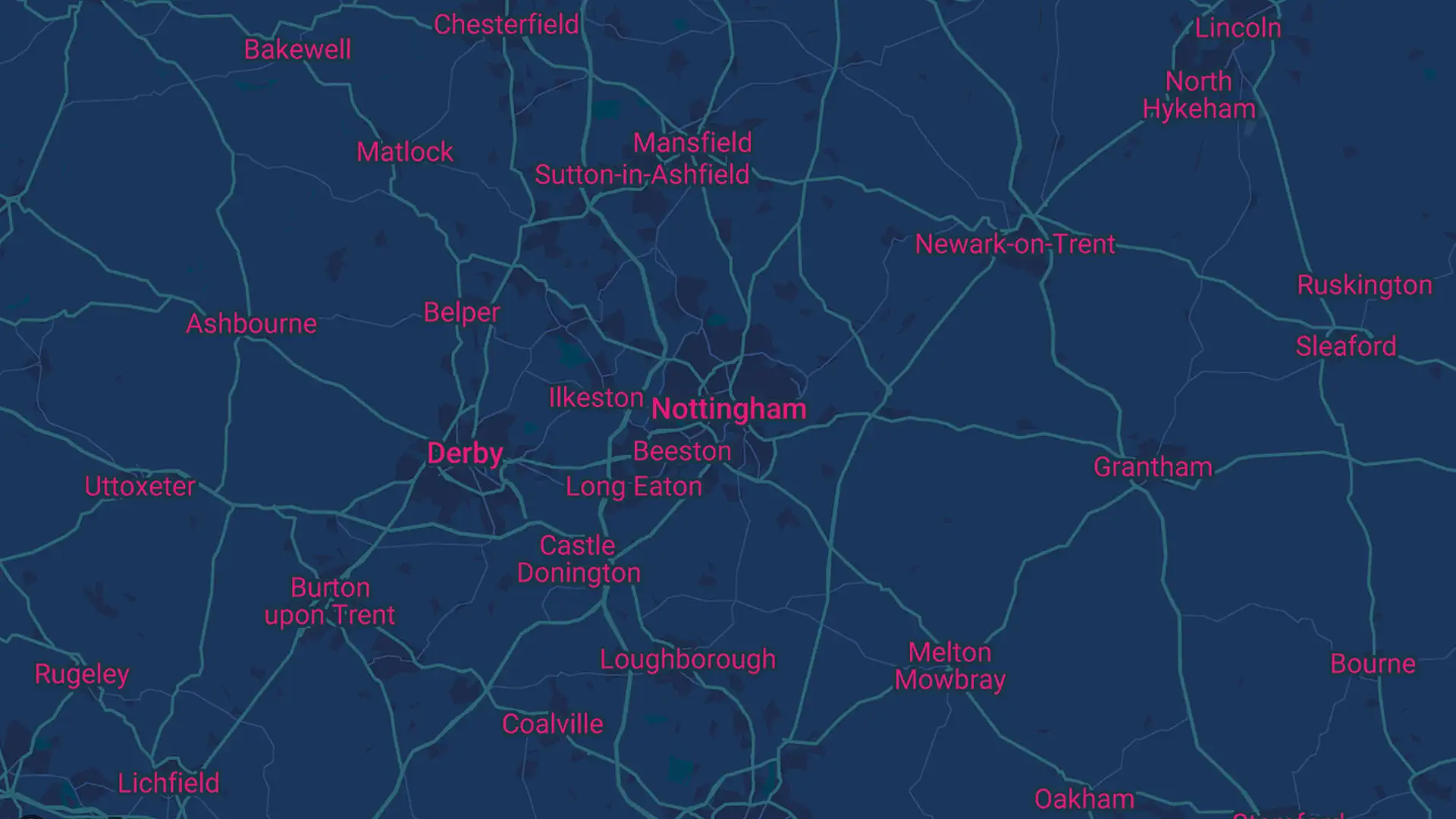
We proudly provide high-quality home care across the East Midlands, in an around the towns and cities detailed below.

Elderly hands on a walking sitck

We're becoming a fully regulated service

While we are not currently regulated, meaning there are some services we cannot currently provide, we are in the process of registering to become a fully regulated service.

CQC
Elderly hands on a walking sitck

Call us to find out more about Types of Dementia

East Midlands

We proudly provide high-quality home care across the East Midlands

Our Reviews

We’re proud of the trust families place in us. Here’s what some of the people we support, and their loved ones, say about our home care services.

"Great support for my mum after she lost her confidence after a fall and hospital stay."

Sarah L

"Really helped me with keeping on top of my house work since my parkinson's has progressed."

Mark T

"They have been a great help with keeping on top of my dads laundry and general house cleaning as he is bed bound and have been being changed daily."

Emily R

Senior woman hand in caregiver hands

Join The Good News Newsletter

Be the first to discover exclusive offers, and service updates. Your journey to independent living starts here - where everything truly is fine.


Contact The Good Place

We’d love to hear from you! Whether you have questions, want to learn more about our home care service, or are ready for us to start supporting you or your loved one, our good people are here to help. If you are looking to make a complaint, you can contact our Registered Manager or Nominated Individual directly.

Send Us a Message


Elderly hands on a walking sitck

Working in Partnership

We work closely within the community to provide safe, compassionate, reliable home care that supports independence, dignity, and improved wellbeing while remaining at home.

NHS
Derbyshire County Council
Staffordshire County Council