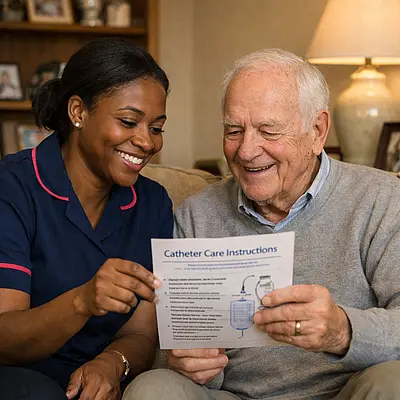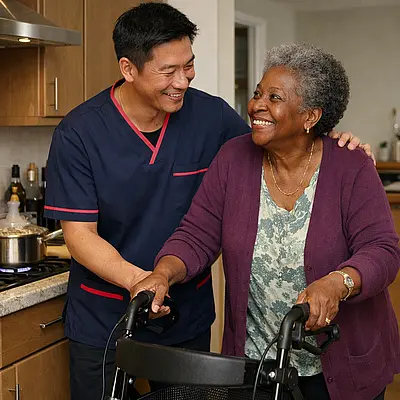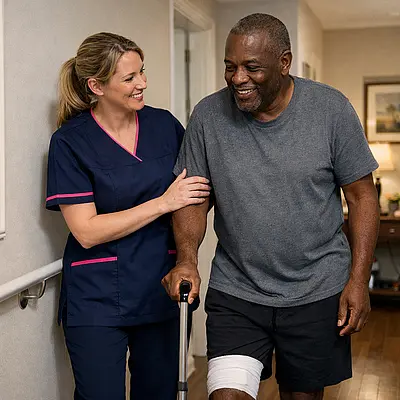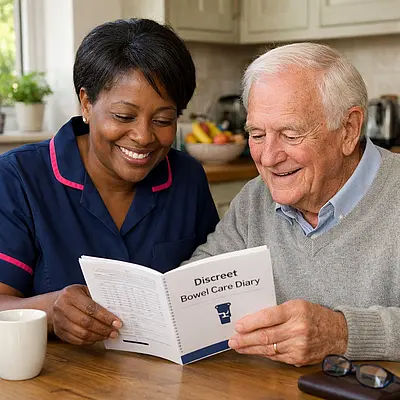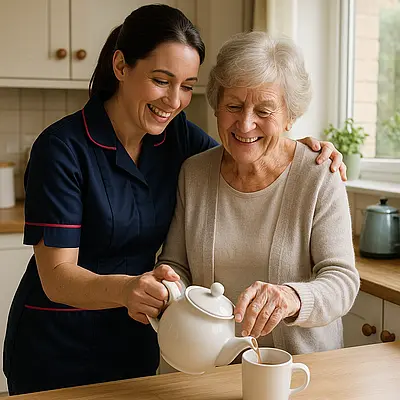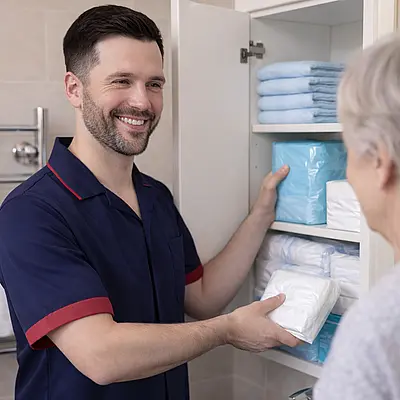
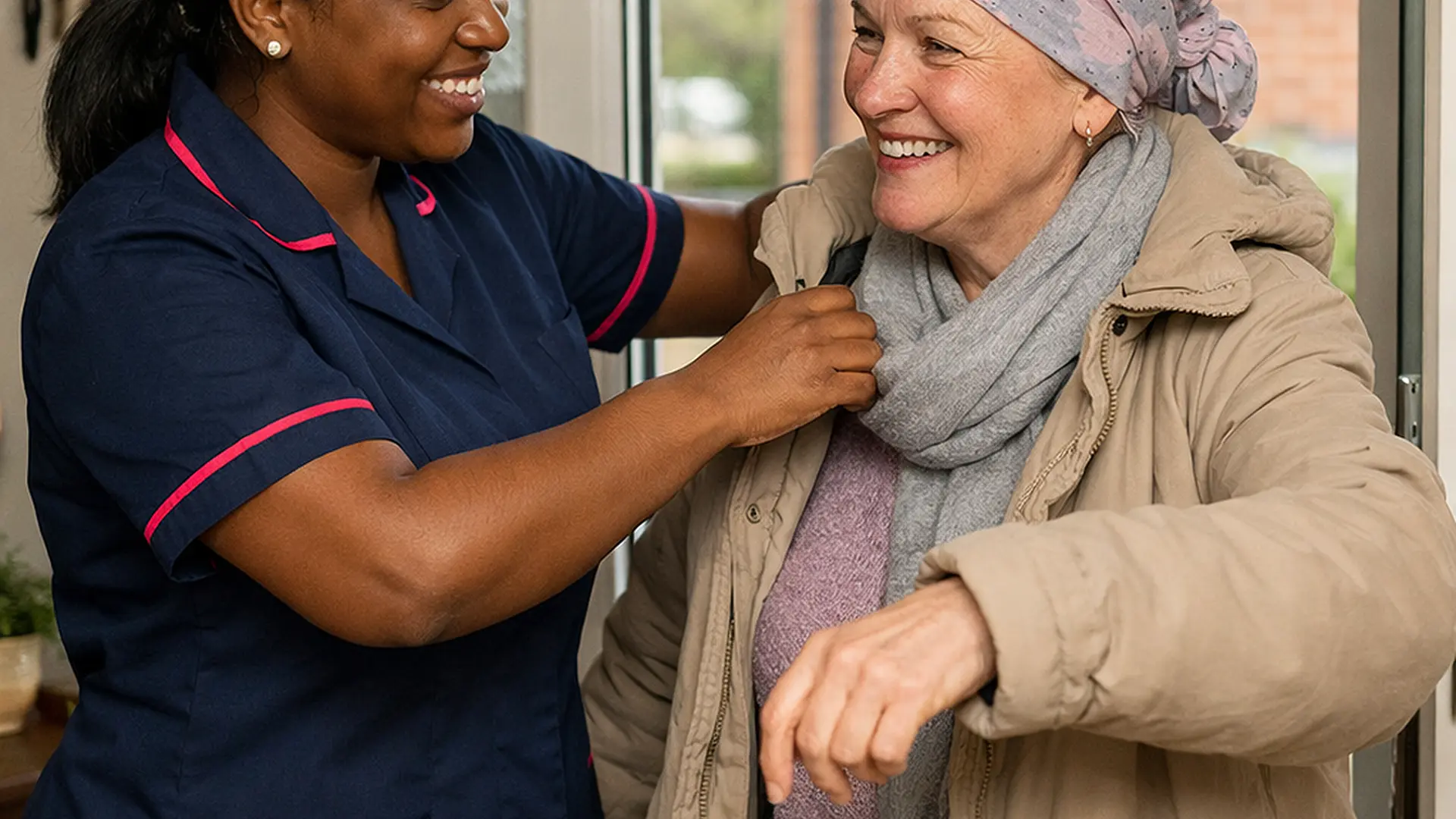
Warm realistic scene of a black female caregiver in a 00072b tunic with e51974 piping helping a white woman with a headscarf put on a coat near the front door both chatting and smiling before a hospital appointment.

Coping with chemotherapy side effects at home

Coping with chemotherapy side effects at home can feel overwhelming, but practical, compassionate support makes daily life easier. We help with meals, washing, medication, companionship, and rest routines so treatment days feel more manageable. Contact us to discuss personalised home care for cancer support.

Understanding chemotherapy side effects at home

Coping with chemotherapy side effects at home often means adjusting daily routines, planning rest, and knowing when symptoms need extra help. Common effects can include tiredness, nausea, mouth soreness, changes in appetite, constipation, diarrhoea, and low mood. With the right support, many people can feel more comfortable, safer, and better prepared between treatments.

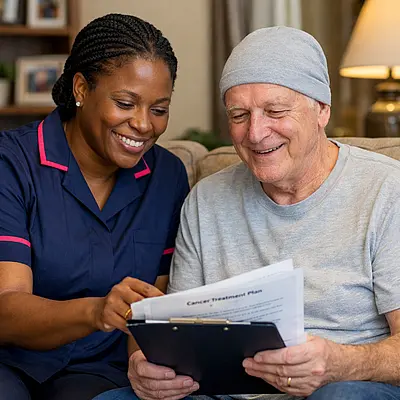
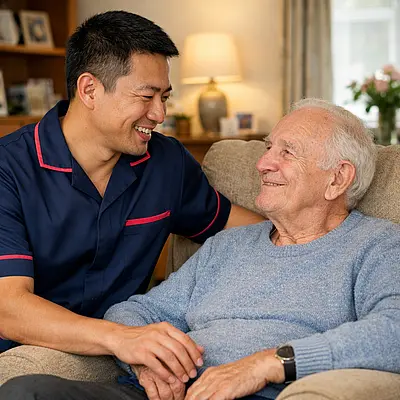
A realistic home care scene in a bright living room with a black female caregiver wearing a tunic uniform in color 00072b with e51974 accents sitting warmly beside an asian older male service user on a sofa both smiling gently during a reassuring conversation family photos nearby soft natural light

Why coping with chemotherapy can feel different each week

Side effects do not always follow a neat pattern. Someone may feel well on one day, then exhausted or sick the next. Home routines often need to flex around treatment cycles, sleep, meals, and appointments. Reading about wider cancer care at home can help families understand what practical day-to-day support may look like.

realistic black male caregiver in tunic uniform 00072b with e51974 accent helping an asian daughter organise a wall calendar of appointments while a caucasian service user smiles from a nearby chair bright family home organised and reassuring realistic photography

Key chemotherapy side effects risks to watch for

Some symptoms can become serious quickly, especially dehydration, high temperature, uncontrolled vomiting, confusion, severe diarrhoea, or signs of infection. Keep emergency numbers visible and follow the hospital team’s advice about when to call. If weakness affects walking or getting to the bathroom, extra mobility support at home can also reduce falls and strain.
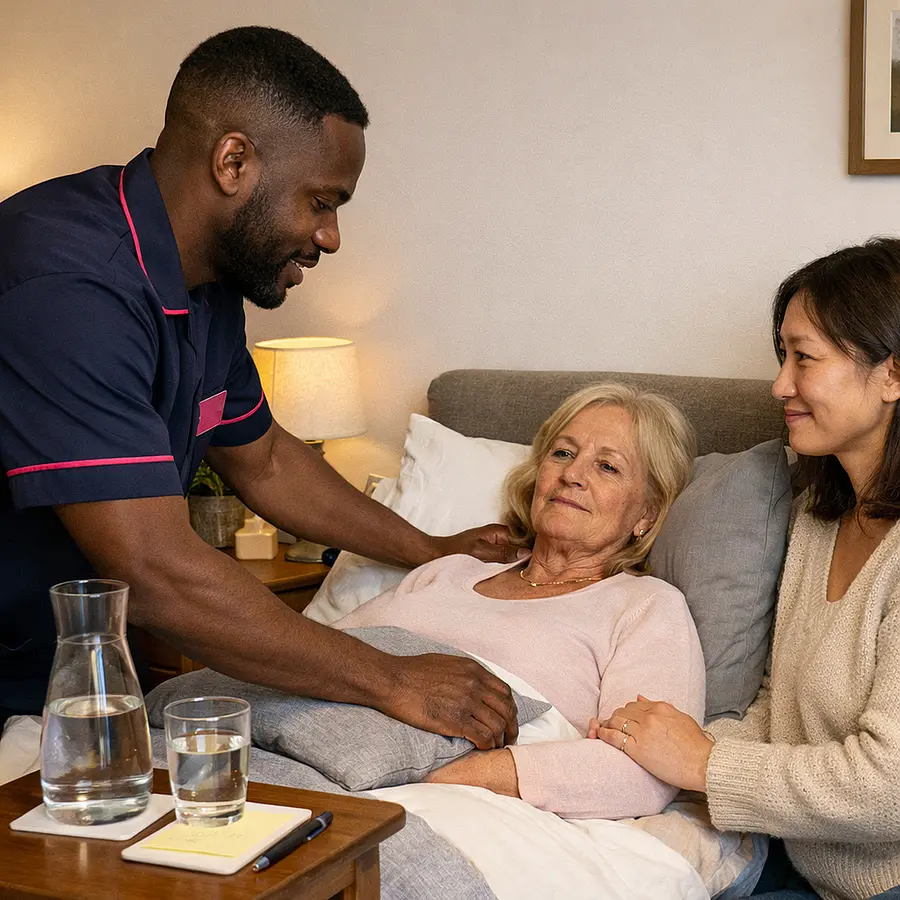
realistic black male caregiver in tunic uniform 00072b with e51974 accent arranging a calm bedroom with cushions water notes and soft lighting for a caucasian female service user while her asian daughter looks reassured warm tidy home realistic and comforting

Building a chemotherapy routine that feels manageable

A simple routine can make difficult days feel less overwhelming. Try setting out medicines, drinks, light snacks, lip balm, tissues, and a notebook in one easy-to-reach place. Plan rest after washing, meals, or appointments rather than pushing through. Gentle structure often helps people feel more in control without making the day feel rigid.

A realistic lounge setup prepared for a sensitive conversation featuring an asian female caregiver in a 00072b tunic with e51974 accents arranging cushions and tea for a black male service user both smiling gently warm homely lighting realistic details atmosphere of comfort and reassurance

Managing nausea during chemotherapy with simple home steps

Nausea can make whole days feel harder, so small changes matter. Keep plain foods nearby, such as crackers, toast, rice, or yoghurt, and offer little amounts often rather than large meals. Sipping water, ginger drinks, or ice lollies may help. Our support with light meal preparation can make it easier to keep suitable foods ready.

A realistic kitchen scene with an asian female caregiver in 00072b tunic with e51974 accent preparing a light snack and water for an elderly black man after gentle exercise warm smiles clean bright home realistic caregiving atmosphere

Handling chemotherapy fatigue without losing the whole day

Fatigue from chemotherapy is not ordinary tiredness. It can appear suddenly and make simple jobs, like showering or changing bedding, feel exhausting. Break tasks into smaller steps, use a chair where possible, and plan one main activity each day. Gentle pacing and ideas from fatigue management during cancer treatment can support energy conservation.
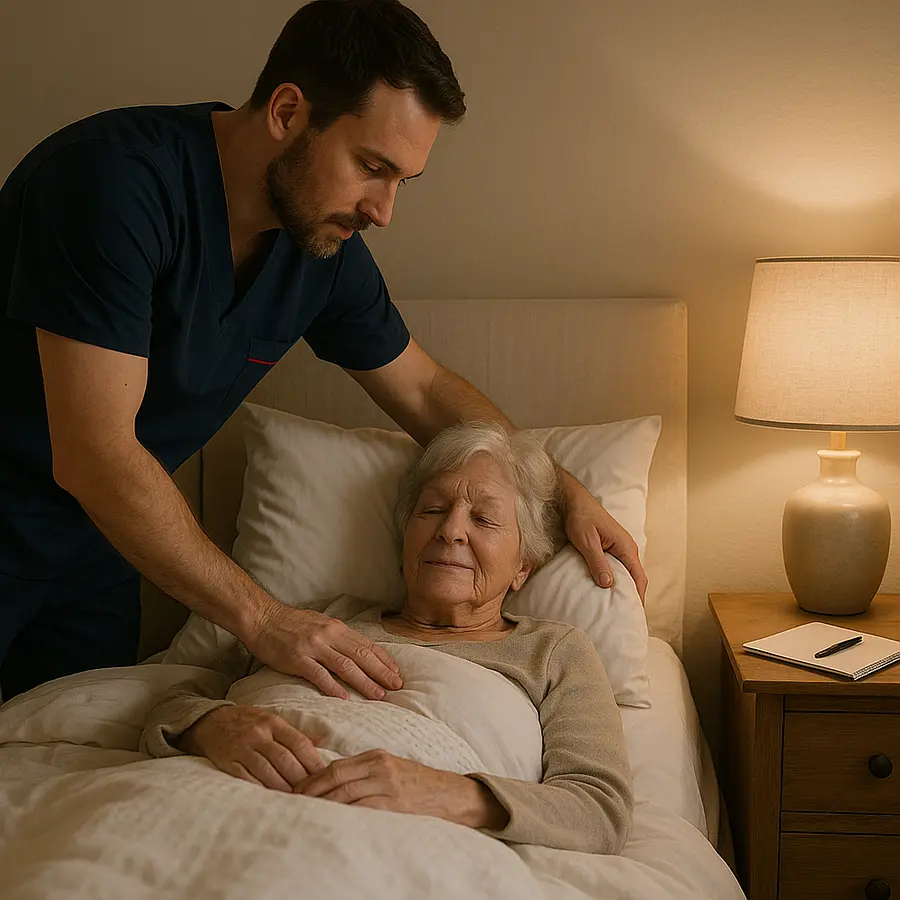
Peaceful bedroom with a caucasian male caregiver in a 00072b tunic with e51974 trim adjusting pillows and blankets around an older woman resting comfortably bedside lamp on notebook and pen nearby mood of calm thoughtful pacing of rest and activity.

Supporting hydration during chemotherapy every day

Dehydration is a common problem when appetite is low, the mouth is sore, or sickness and diarrhoea are present. Keep drinks visible and easy to reach in several rooms. Some people manage better with small sips every ten minutes, flavoured water, milk, or soup. A written tally can help family members notice falling fluid intake early.

A realistic hallway scene with an asian female caregiver in 00072b tunic with e51974 trim helping a caucasian male service user prepare a small bag for a day out including water and care supplies both smiling confidently realistic and warm home setting.

Making eating during chemotherapy easier with small choices

Taste changes can make favourite foods seem unappealing. Instead of insisting on full meals, try snacks that are soft, cool, or high in energy, such as custard, scrambled eggs, smoothies, mashed potato, or cheese and crackers. Help with preparing simple meals means food can be ready when appetite briefly returns.
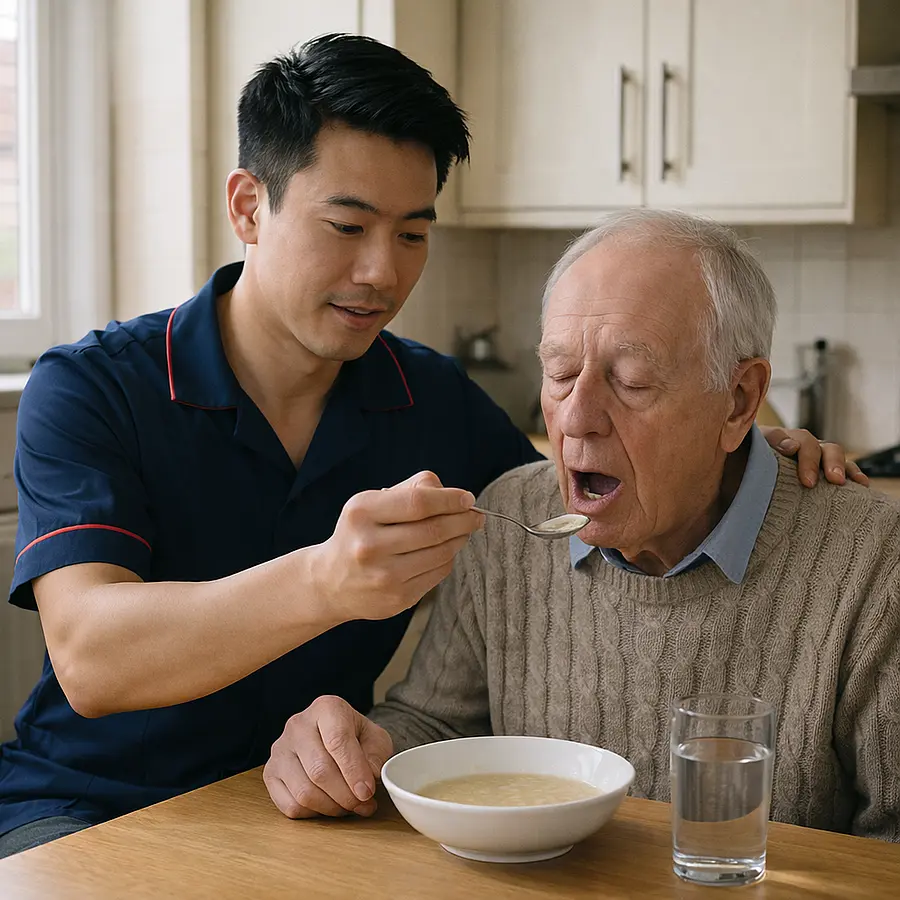
 A an asian male caregiver in tunic uniform with color 00072b and with e51974 accent colour in a realistic kitchen supporting an older person to eat this could be due to swallowing difficulties an inability to taste or inadequate hydration.

Dealing with mouth soreness after chemotherapy gently

A sore mouth can affect eating, drinking, and speaking. Use a soft toothbrush, avoid very spicy or acidic foods, and keep lips moisturised. Cool foods may feel better than hot ones. If swallowing becomes painful, seek advice promptly. Practical help with washing and daily personal hygiene can also reduce effort when someone already feels uncomfortable.
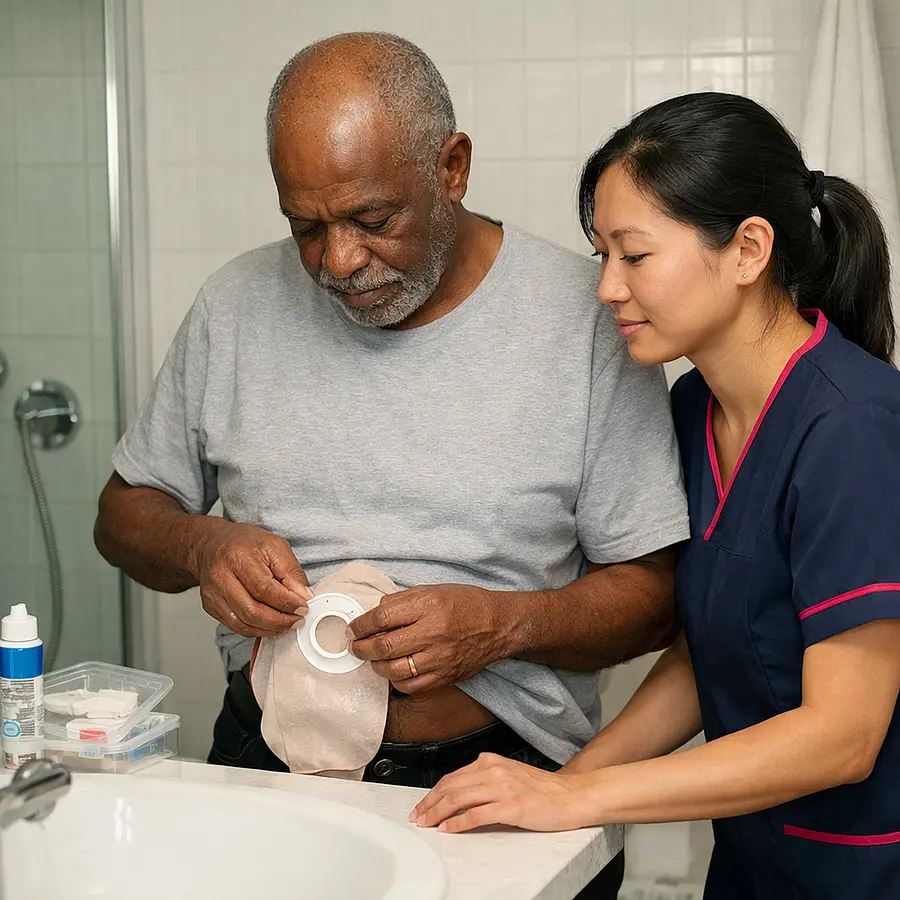
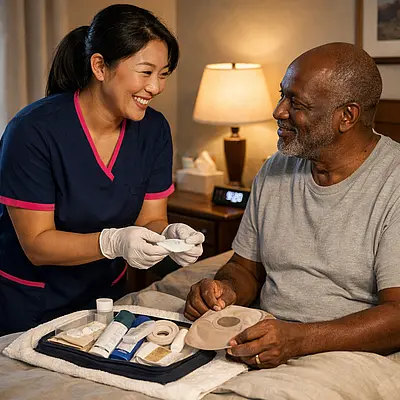
Realistic image of an Asian female caregiver in a 00072b tunic with e51974 details guiding an older Black man to practise his own stoma bag change at a bathroom sink caregiver supervising closely but allowing independence both focused and calm.

Reducing infection risks during chemotherapy around the home

When immunity is lower, everyday germs can become more serious. Encourage regular handwashing, clean frequently touched surfaces, and keep distance from anyone who is unwell. Fresh towels, clean bedding, and tidy bathrooms matter. Support with light household tasks can take pressure off families while helping the home stay safe and comfortable.
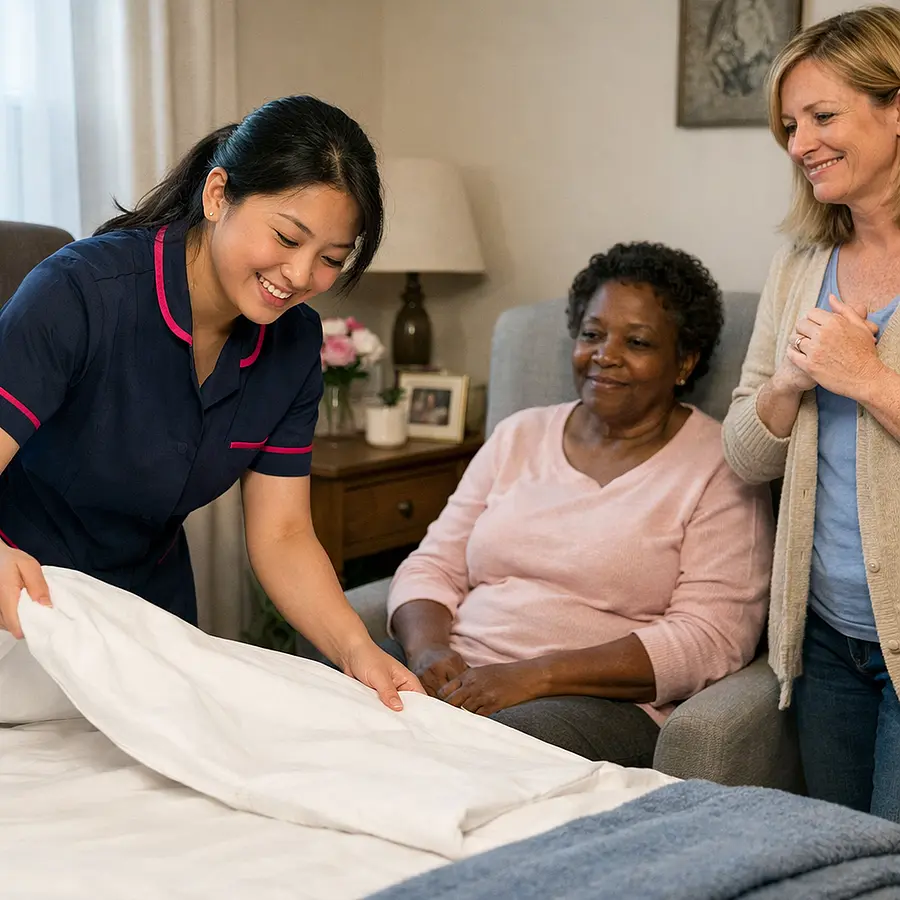
realistic asian female caregiver in 00072b tunic with e51974 accent changing bed linen and tidying a calm bedroom for a black female service user while a caucasian family carer looks relieved warm home environment realistic and compassionate

Keeping track of chemotherapy medicines and symptom changes

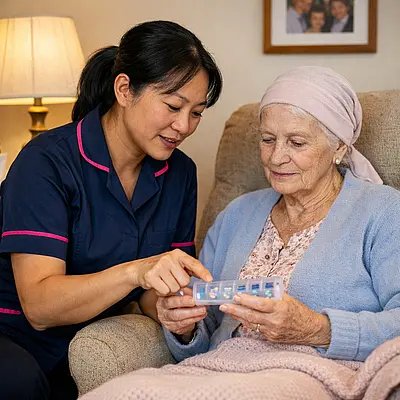
It helps to write down anti-sickness tablets, pain relief, temperature checks, bowel changes, and when symptoms start or improve. This makes appointments clearer and can prevent missed doses. Families often find that structured medication support at home gives peace of mind, especially on days when tiredness or brain fog make organising harder.
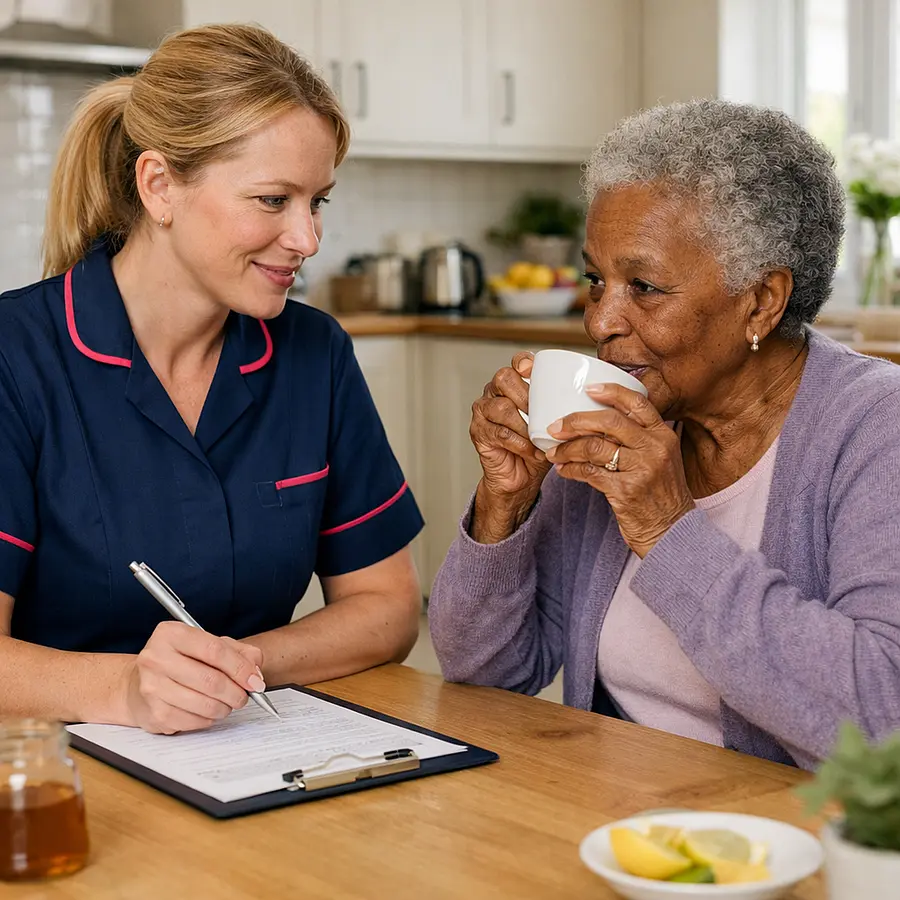
A white female caregiver in a 00072b tunic with e51974 piping sits at a kitchen table with an elderly black woman gently noting symptoms on a clipboard while the client sips herbal tea. Their body language shows trust and careful listening in a bright tidy home setting.

Creating a calmer sleep routine during chemotherapy

Sleep can be affected by steroids, discomfort, worry, or daytime naps. Keep the bedroom cool, quiet, and uncluttered, and try soft lighting in the evening. Fresh bedding, easy access to water, and a clear path to the toilet can all help. You may also find ideas in our guide to creating a restful sleep environment.
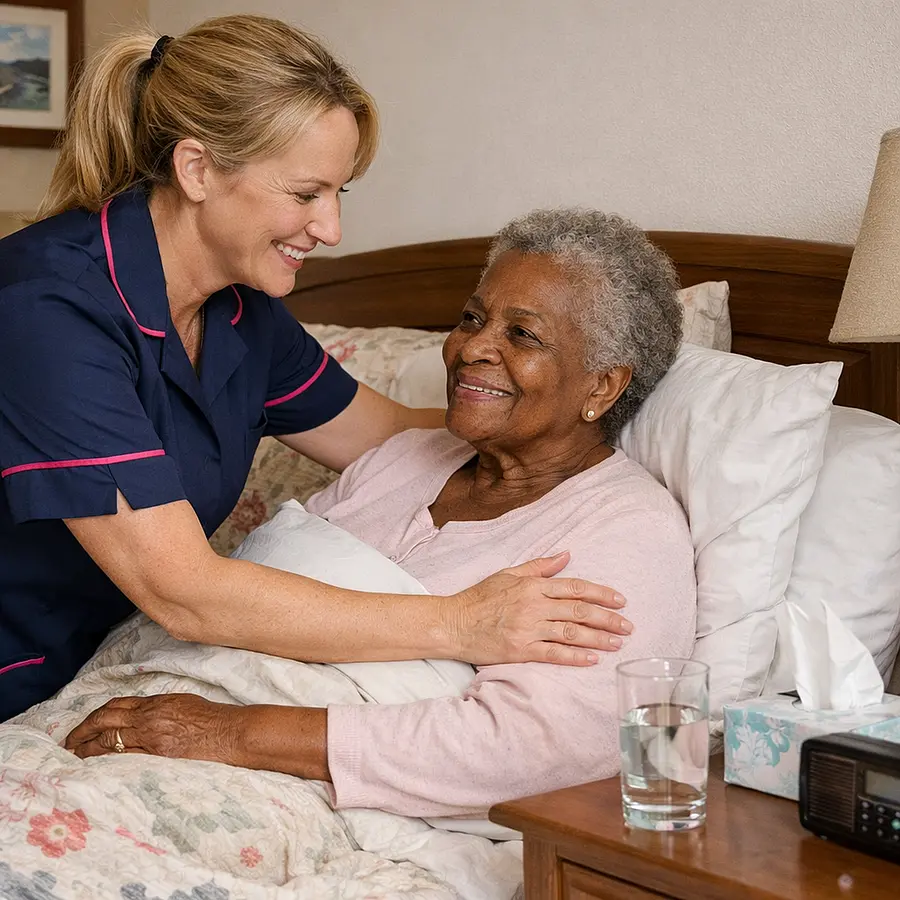
Realistic scene of a white female caregiver in a 00072b tunic with e51974 piping carefully supporting an elderly Black woman to sit up in bed with extra pillows both smiling softly bedside table with water tissues and a small radio homely bedroom decor.

A real example of managing chemotherapy fatigue at breakfast time

One common challenge is getting washed, dressed, and fed before energy disappears. A helpful approach is to sit for washing, put clothes out the night before, and have breakfast prepared in advance. A yoghurt, banana, and tea within reach can be easier than standing to cook when the morning starts slowly.
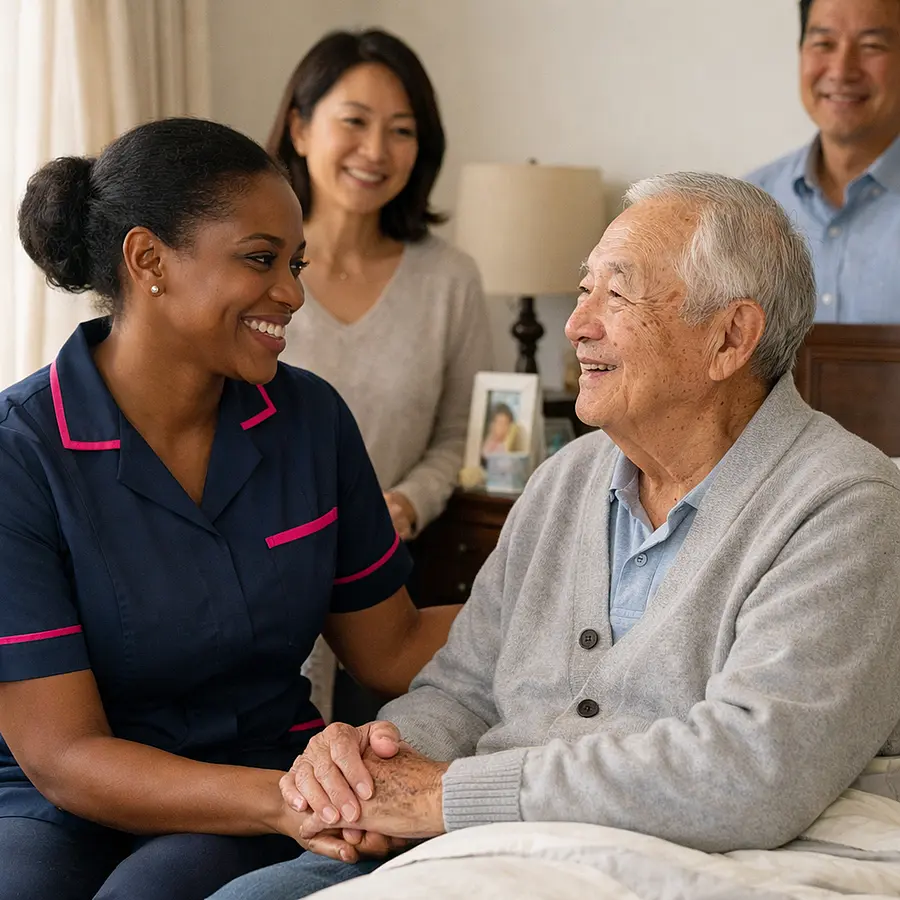
A realistic home care scene showing a black female caregiver in a tunic uniform colour 00072b with e51974 accent sitting beside an elderly asian male service user in a calm bedroom at home speaking gently with family nearby warm expressions reassuring atmosphere soft natural light tidy room conveyin

Using small meals during chemotherapy on low-appetite days

Rather than aiming for lunch and dinner as usual, some people do better with six mini eating opportunities. For example, half a sandwich at noon, a smoothie at two, soup at four, and toast later. This can feel less pressured and may improve intake when full plates seem too much to face.
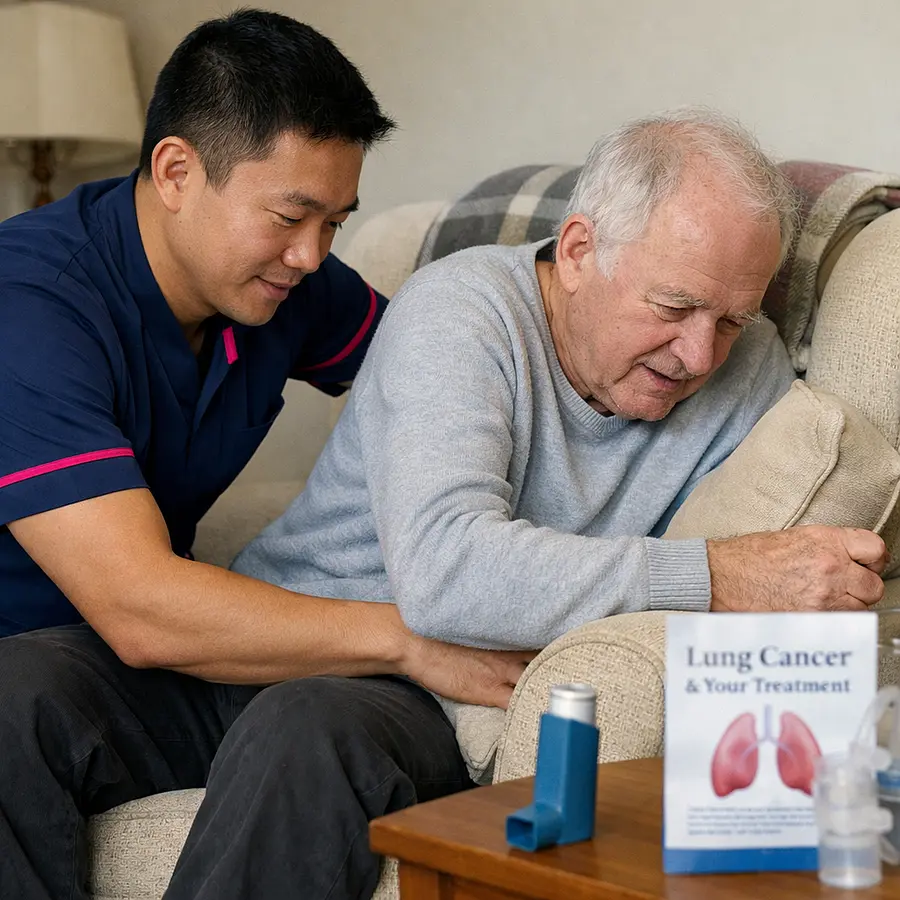
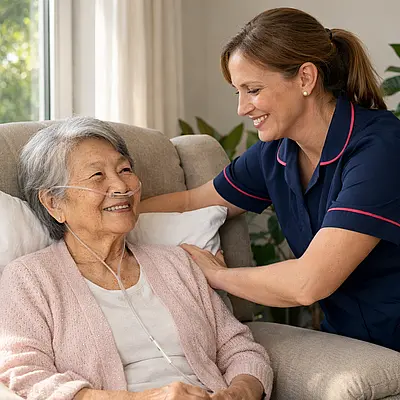
Realistic image of an Asian male caregiver in a 00072b tunic with e51974 accent helping an older white man adjust cushions in an armchair with an inhaler and treatment information on a side table illustrating day to day impact of lung cancer.

Planning chemotherapy treatment days so home feels easier

After treatment, many families benefit from preparing the home in advance. Wash bedding, stock easy foods, charge phones, and place medication, a thermometer, and drinks near the bed or sofa. If the next day is usually difficult, avoid extra visitors or chores and keep the schedule as light as possible.

A realistic lounge setup prepared for a sensitive conversation featuring an asian female caregiver in a 00072b tunic with e51974 accents arranging cushions and tea for a black male service user both smiling gently warm homely lighting realistic details atmosphere of comfort and reassurance

Handling emotional effects of chemotherapy in everyday moments

Chemotherapy can bring frustration, fear, low confidence, and sudden tears, especially when someone feels unlike themselves. Sometimes the best support is quiet company, a short walk to the garden, or sitting together with no pressure to talk. Reliable companionship at home can make difficult afternoons feel less lonely for everyone involved.
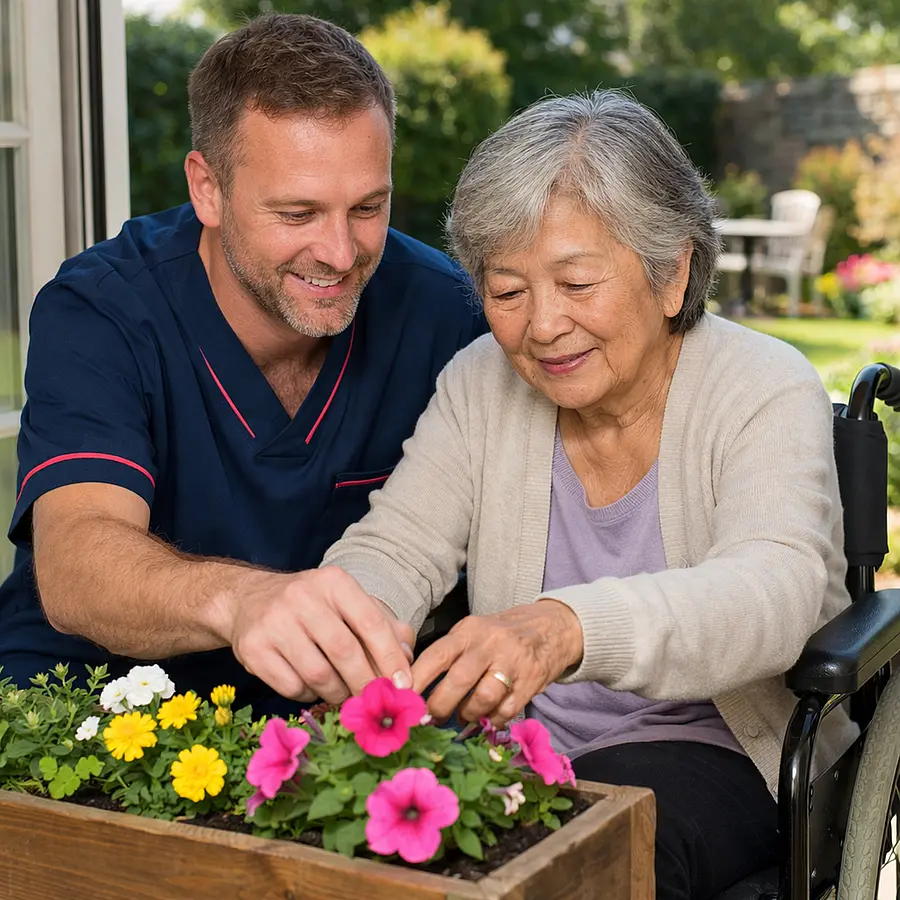
Realistic image of a white male caregiver in a 00072b tunic with e51974 details sitting beside an elderly Asian woman in a wheelchair near open patio doors both looking at a planter box of flowers caregiver helping her touch the petals sunny garden visible outside.

Making washing and dressing during chemotherapy less tiring

On difficult days, a full shower may feel impossible. A strip wash, loose clothing, and sitting down while getting dressed can save energy. Keeping toiletries and towels close by also helps. Sensitive, respectful support with bathing, dressing, and personal routines can protect dignity while reducing strain on both the person and family carer.

realistic black female caregiver in 00072b tunic with e51974 accent helping an asian female service user with morning dressing while a caucasian son prepares to start work on a laptop nearby bright bedroom gentle smiles caring and reassuring realistic style

How overnight chemotherapy support can reassure families

Nights may be harder when symptoms worsen, sleep is disturbed, or trips to the toilet feel unsteady. Knowing someone is there to help with drinks, reassurance, or monitoring can reduce anxiety for the whole household. Our night-time care at home can offer practical support when rest and safety matter most.

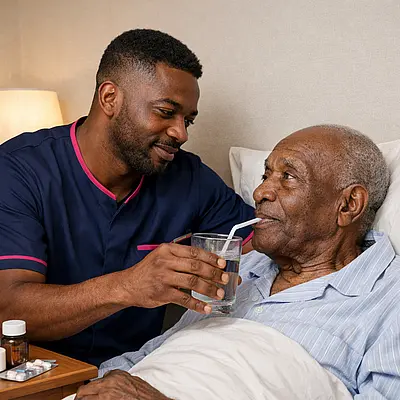
Realistic image of an Asian male caregiver in a 00072b tunic with e51974 trim pouring a glass of water and offering medication to an older Asian woman in bed with soft lighting and a caring attentive expression.

The role of professional chemotherapy support at home

Professional care can fit around treatment days, low-energy periods, and changing symptoms. We can help with meal planning, medication prompts, washing, laundry, mobility, emotional reassurance, and communication with family routines. This kind of flexible home support often helps people stay comfortable and independent while reducing the pressure on relatives trying to manage everything alone.

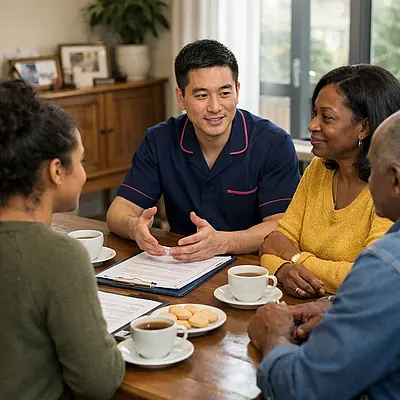
A realistic in home support scene showing a black female caregiver in a 00072b tunic with e51974 detail reviewing a daily plan with a caucasian male service user and his spouse everyone reassured and smiling gently tidy home setting warm and professional realism

Why choose us for chemotherapy care at home

We understand that chemotherapy affects far more than appointments alone. It can change appetite, sleep, confidence, and family life from one day to the next. Our approach is flexible, kind, and practical, with support shaped around the person’s routine, symptoms, and wishes. We focus on comfort, dignity, and helping home remain a reassuring place to recover.

realistic asian male caregiver in tunic uniform 00072b with e51974 accent standing supportively with a caucasian family and black service user in a welcoming home hallway warm smiles trust and reassurance polished but natural home care photography not stylized
Hands of young adult and senior women over green b
Contact Us

Contact us to arrange Cancer Care at home

If you're looking for support with daily living for some one with cancer, we're here to help. Our friendly team is ready to offer guidance, answer your questions, and arrange cancer care tailored to your or your loved ones' needs in their own home. Reach out today for personalised advice and support.

Coping with chemotherapy side effects at home FAQ's

You’re bound to have questions when exploring your home care options, so we’ve answered some of the most common ones below.

Yes, emotional wellbeing is often affected as much as physical comfort. Chemotherapy can alter appearance, energy, confidence, sleep, appetite, and independence, all of which may leave someone feeling unlike themselves. Worry about treatment results, family life, work, or the future can also become heavier during quiet moments at home. Some people feel low or tearful, while others become frustrated or withdrawn. Family carers may notice mood changes more clearly than the person themselves. Gentle support, regular routine, and realistic expectations can help, but persistent low mood, panic, or severe distress should always be discussed with a professional. Emotional support does not have to be complicated. Sometimes it begins with listening, reducing pressure, and helping the person feel safe, seen, and less alone in their daily routine.

You should seek urgent advice if there is a high temperature, shivering, signs of infection, severe diarrhoea, repeated vomiting, inability to keep fluids down, confusion, chest pain, worsening breathlessness, heavy bleeding, or sudden weakness. Hospitals usually provide a 24-hour number for treatment-related concerns, and it is important to use it rather than waiting to see if symptoms settle. Even symptoms that seem small at first can become more serious when immunity is low. It is also worth calling for advice if pain is increasing, swallowing becomes difficult, or tiredness is suddenly much worse than usual. Families should keep all treatment contact details somewhere obvious and make sure everyone in the household knows where to find them, especially in the evening or overnight.

If someone does not feel like drinking, offer small amounts often rather than large glasses. A few sips every ten or fifteen minutes can feel much less overwhelming. It can also help to vary the options, such as water, diluted juice, milk, ice lollies, clear soups, herbal teas, or oral hydration drinks if recommended. Keep drinks in reach in the rooms they use most and use a cup or bottle that is easy to hold. Some people drink more when the fluid is chilled, while others prefer room temperature. A simple tick chart can help family carers see roughly how much has been taken through the day. If there are signs of dehydration such as dizziness, dark urine, confusion, dry mouth, or inability to keep fluids down, contact the treatment team promptly.

When energy is low, washing and dressing need to be simplified. Sitting down for a strip wash at the sink can be much easier than standing for a full shower. Laying out clothes in order, choosing loose garments, and keeping toiletries within reach can save precious effort. It may help to wash at the time of day when energy is usually best, even if that means later than usual. If hair washing is tiring, dry shampoo or help from another person can reduce strain. The aim is comfort and dignity, not doing everything exactly as before treatment. If standing feels unsteady or there is a risk of falls, ask for advice and consider extra support. Gentle assistance with dressing, bathing, and changing clothes can make a difficult morning feel far more manageable.

Useful home care during chemotherapy often includes help with personal routines, meal preparation, medication reminders, companionship, laundry, light housekeeping, mobility support, and overnight care when needed. The right mix depends on the individual. One person may mainly need practical help after treatment days, while another may need regular support with washing, meals, and confidence around the home. Good care should feel flexible because side effects often vary throughout the treatment cycle. Families also benefit when support is shaped around what matters most to them, whether that is protecting rest, reducing stress, or helping someone remain independent at home. The aim is not to take over unnecessarily, but to make everyday life safer, easier, and more comfortable while treatment is ongoing.

Planning the home around treatment days can make recovery smoother. Before the appointment, make sure there are easy meals ready, clean bedding available, and essential items like medicines, water, a thermometer, and tissues within reach. Charge phones, arrange any transport, and avoid booking extra chores or social commitments for the following day if that is usually a low-energy period. Some people prefer the bedroom prepared in advance, while others rest better in a recliner or on the sofa with cushions and blankets nearby. If side effects tend to peak at a certain time after treatment, plan around that pattern where possible. Small preparations reduce decision-making and physical effort when someone comes home tired, nauseous, or simply wanting quiet and reassurance.

Honest, practical conversations usually help most. Start with what the person actually needs day to day, such as help with meals, lifts, shopping, laundry, medication reminders, or simply time to rest without worrying about the house. It can be useful to explain that symptoms may change week by week, so support needs may also change. Instead of asking for general help, give specific examples like bringing groceries on treatment day, staying for an hour while the main carer rests, or preparing a meal that can be frozen. Families often cope better when responsibilities are shared clearly. It also helps to agree how updates will be passed on, so the person having treatment does not have to repeat everything multiple times. Keeping communication simple can reduce stress for everyone.

A little preparation before treatment can make a big difference later. Many families set up a recovery area with water, tissues, a thermometer, prescribed medicines, snacks, lip balm, a blanket, and a notebook to record symptoms. It also helps to stock easy foods such as soup, crackers, yoghurt, frozen meals, and soft snacks that can be eaten in small amounts. Washing clothes and bedding in advance can reduce pressure on low-energy days. You may also want to plan transport, collect emergency contact numbers, and ask the treatment team exactly when to call for urgent advice. Think about practical help too, such as support with shopping, washing, meals, and rest after treatment days, so the person does not need to push through when they feel unwell.

Chemotherapy fatigue is often best managed through pacing rather than trying to push through it. Encourage one priority activity a day, regular rest periods, and seated versions of tasks where possible. For example, someone might wash at the sink while sitting down, prepare food in stages, or take a short rest before getting dressed. Keep useful items within easy reach so energy is not wasted walking back and forth. Short periods of gentle movement can help some people feel less stiff, but overdoing it may make the next day harder. It is also important to look at hydration, pain, sleep, and nutrition, because these can worsen tiredness. If fatigue becomes extreme, suddenly changes, or stops the person from managing safely at home, medical advice should be sought and additional support may be needed.

Eating during chemotherapy is often easier when pressure is reduced. Instead of expecting normal meals, try small amounts every few hours and focus on what feels manageable rather than what seems ideal. Soft foods, high-calorie snacks, smoothies, soups, mashed vegetables, scrambled eggs, and puddings can be useful when appetite is poor. If taste changes make foods seem metallic or unpleasant, try plastic cutlery, cooler foods, or different textures. Keep options visible and ready so food can be offered quickly when hunger appears. Some people manage better with finger foods they can nibble while resting. If weight loss becomes noticeable or eating is consistently difficult, speak to the treatment team or dietitian. Home support with shopping and preparing simple foods can take away a great deal of daily stress.

We proudly provide high-quality home care across the East Midlands, in an around the towns and cities detailed below.

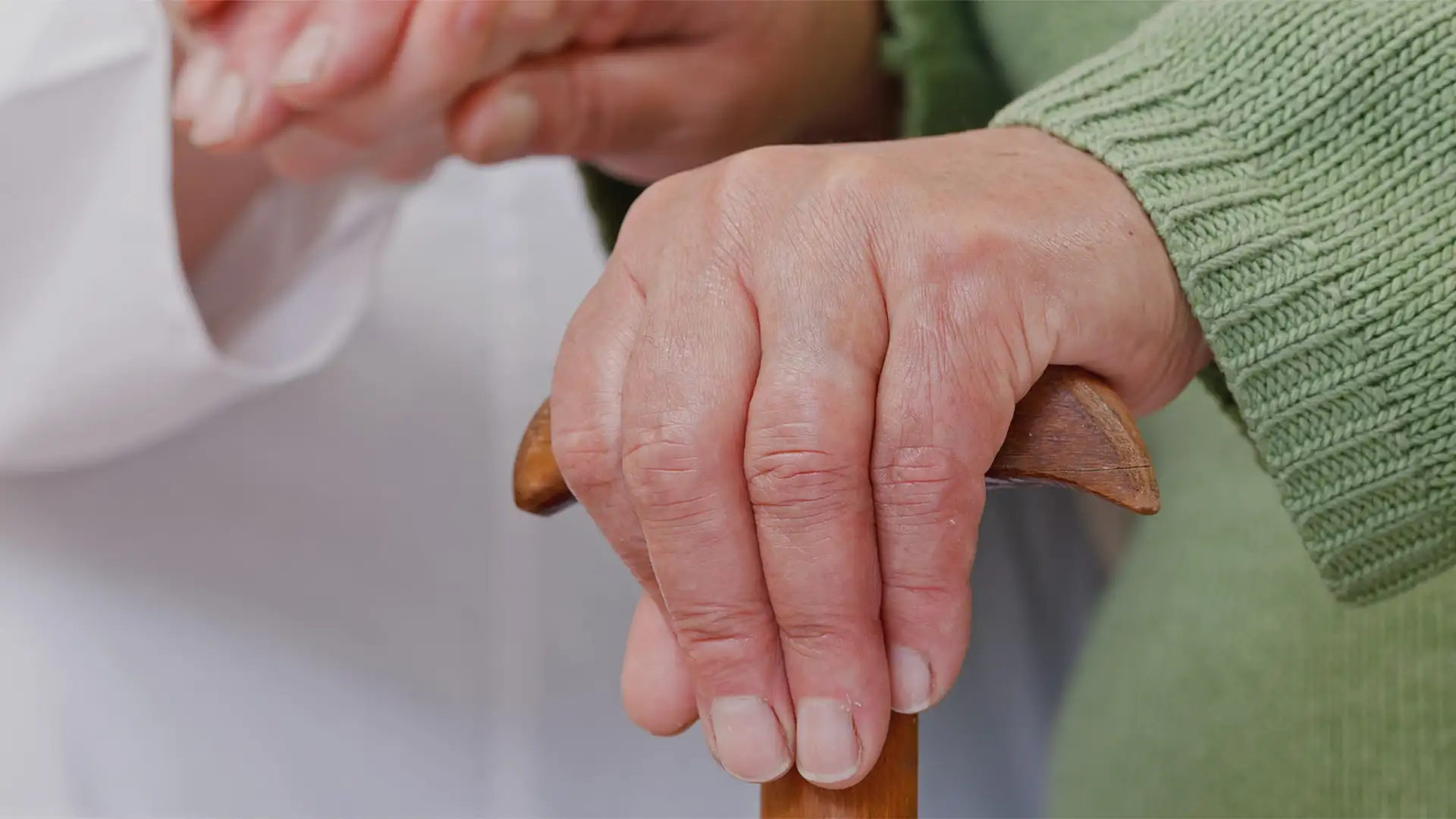
Elderly hands on a walking sitck

We're becoming a fully regulated service

While we are not currently regulated, meaning there are some services we cannot currently provide, we are in the process of registering to become a fully regulated service.

CQC
Elderly hands on a walking sitck

Call us to find out more about Coping with chemotherapy side effects at home

East Midlands

We proudly provide high-quality home care across the East Midlands

Our Reviews

We’re proud of the trust families place in us. Here’s what some of the people we support, and their loved ones, say about our home care services.

"Really helped me with keeping on top of my house work since my parkinson's has progressed."

Mark T

"Great support for my mum after she lost her confidence after a fall and hospital stay."

Sarah L

"They have been a great help with keeping on top of my dads laundry and general house cleaning as he is bed bound and have been being changed daily."

Emily R

Senior woman hand in caregiver hands

Join The Good News Newsletter

Be the first to discover exclusive offers, and service updates. Your journey to independent living starts here - where everything truly is fine.


Contact The Good Place

We’d love to hear from you! Whether you have questions, want to learn more about our home care service, or are ready for us to start supporting you or your loved one, our good people are here to help. If you are looking to make a complaint, you can contact our Registered Manager or Nominated Individual directly.

Send Us a Message


Elderly hands on a walking sitck

Working in Partnership

We work closely within the community to provide safe, compassionate, reliable home care that supports independence, dignity, and improved wellbeing while remaining at home.

Derbyshire County Council
NHS
Staffordshire County Council