Understanding coping emotionally with a new cancer diagnosis at home
Hearing that you have cancer can make home feel different overnight. You may feel frightened, numb, angry, relieved to have answers, or all of these at once. Coping emotionally with a new cancer diagnosis at home means creating space for feelings, finding practical support, and taking one manageable step at a time while daily life adjusts.

What emotional support after a cancer diagnosis can look like
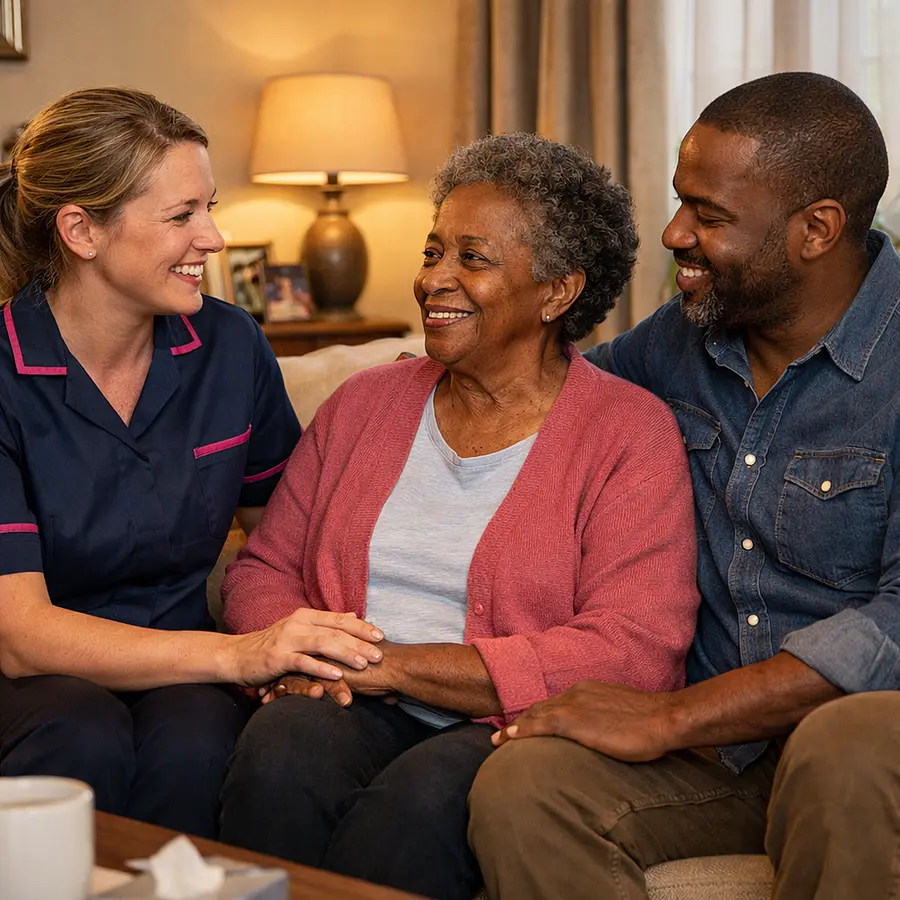
Emotional support at home is not only about big conversations. It can be having someone sit with you after an appointment, writing questions for the hospital, keeping track of letters, or helping you eat and rest. Small, steady routines often make difficult days feel less overwhelming and help families feel more grounded.

Common emotional challenges after a cancer diagnosis
Many people struggle with racing thoughts, poor sleep, loss of appetite, fear of treatment, or worry about family. Loved ones may try to stay strong and become exhausted themselves. If emotions start affecting eating, medication routines, personal safety, or everyday tasks, extra help at home can reduce pressure and prevent things from building up.
Building a calm daily routine after diagnosis
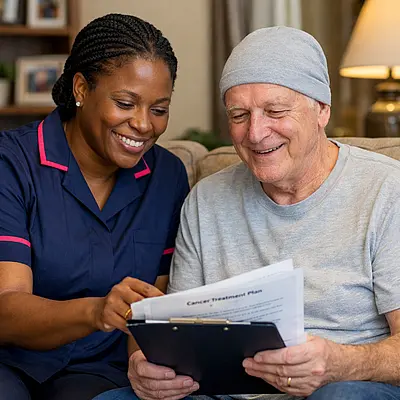
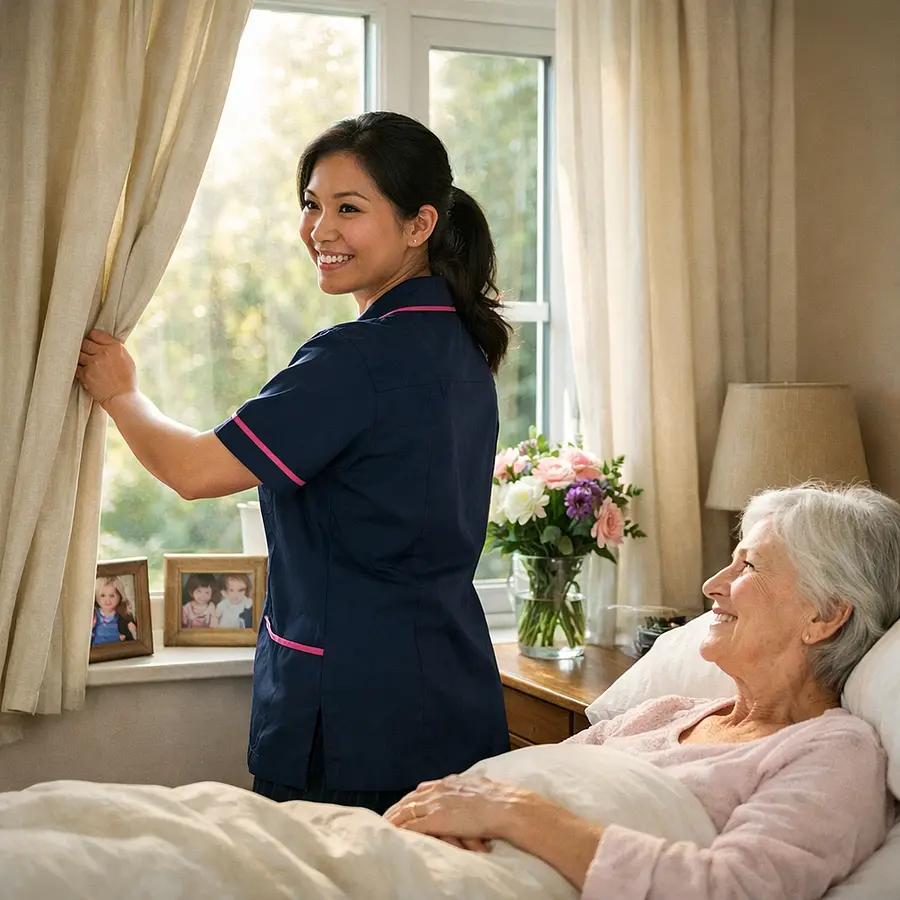
A simple routine can soften the shock of diagnosis. Try regular wake-up times, short rests, easy meals, and one or two priorities for the day. A carer can help with simple meal preparation, organise letters, and support light household jobs so the home feels calmer rather than chaotic.

Making space for feelings at home without pressure
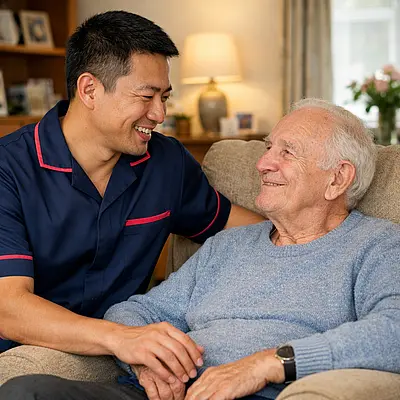
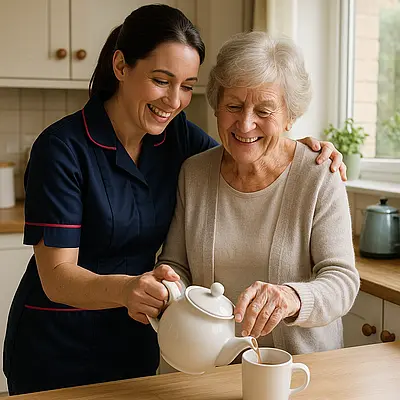
You do not need to talk all the time to cope well. Some people prefer short check-ins such as “How are you feeling this morning?” Others like journalling, prayer, quiet music, or sitting with a trusted person. Our companionship support can offer a calm presence when family members need a break or live further away.

Using practical planning to reduce anxiety
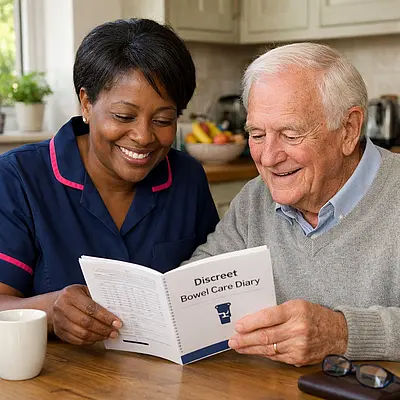
Anxiety often eases when the next step feels clear. Keep a folder for appointment letters, test dates, contact numbers, and questions to ask. It can help to pack a hospital bag the day before and note travel times. For related ideas, see our guidance on coping with treatment side effects at home.

Protecting sleep and rest during emotional strain
When your mind is busy, nights can feel long. A bedtime routine may include dim lights, switching off news alerts, gentle breathing, and keeping a notebook by the bed for worries or questions. If sleep is affected by treatment, our article on creating a restful sleep environment may help.
Supporting eating and drinking when emotions affect appetite
Stress can make food seem unappealing, yet low energy often makes emotions harder to manage. Aim for small, easy options such as soup, yoghurt, toast, smoothies, or little meals every few hours. We can help with planning and preparing nourishing meals and gentle prompts to drink enough through the day.

Staying on top of medication and appointments at home
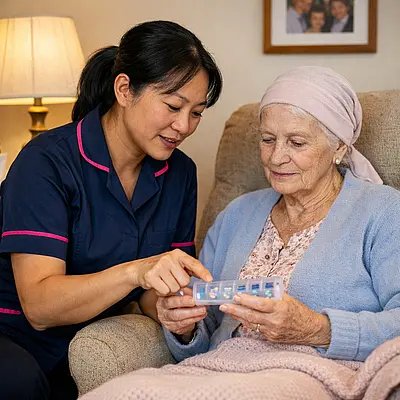
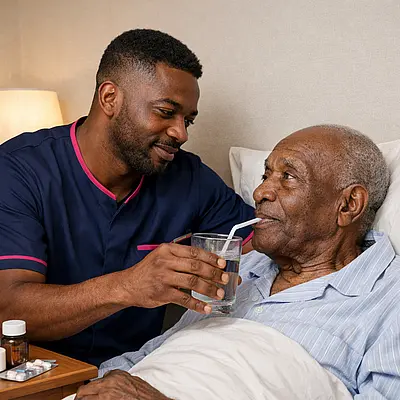
Emotional shock can make it hard to remember tablets, pain relief, or appointment times. A written chart, phone reminders, and a clearly labelled box can help. Our medication management support can provide dependable prompts and recording, helping you feel more in control when concentration is low.
Accepting help with personal routines when energy is low
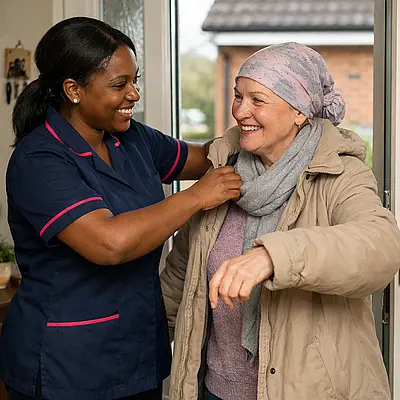
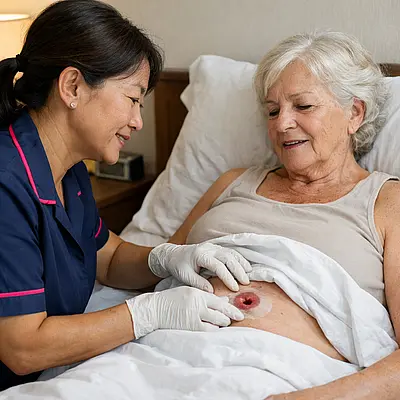
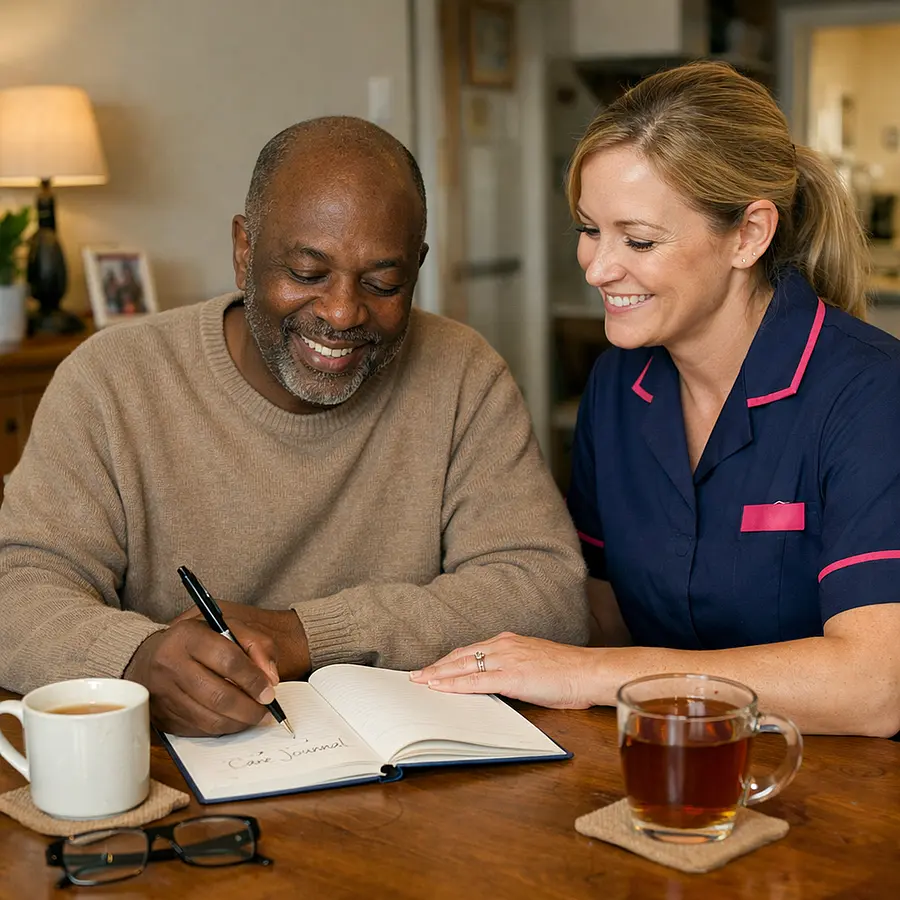
It is common to want privacy and independence, especially early on. Yet accepting support with washing, dressing, or getting ready can save energy for appointments and recovery. Sensitive help with showering, dressing, and personal hygiene can be offered respectfully, at your pace, and always with dignity.

Managing night-time worry with extra reassurance
Many people feel more anxious once the house is quiet. Night-time can bring fear about symptoms, treatment, or the future. Having someone nearby can be deeply reassuring. Our overnight care offers practical support and a calming presence, especially after difficult appointments, sleepless periods, or during treatment changes.

Using gentle movement to steady the day
When advised by your clinical team, small movements can help mood as well as energy. This might mean walking to the garden, stretching in a chair, or standing at the window for fresh air. If treatment brings tiredness, our guide to gentle movement and fatigue management offers practical ideas.

A real first week at home after diagnosis
In the first week, many families feel flooded with calls, messages, and information. One practical approach is to choose one main contact person, write updates once a day, and keep the rest of the day quieter. This protects energy and gives the person with cancer more control over who knows what, and when.

Handling difficult conversations with loved ones
You do not need to explain everything perfectly. A simple script can help: “We know the diagnosis, we are waiting for the next appointment, and we will share more when ready.” This can stop repeated questioning. Some families find support from our wider mental health related care guidance useful when emotions run high.

Creating small comforts that make home feel safe
Comfort can come from familiar objects and habits. Examples include keeping a blanket by the sofa, setting up a chair near a sunny window, making a playlist for waiting-room nerves, or placing a notebook by the kettle for questions. These little choices restore a sense of control when life feels suddenly uncertain.

When a partner needs support too
Partners often become organisers, drivers, note-takers, and emotional anchors overnight. That pressure can be exhausting. Sharing tasks such as cooking, cleaning, and appointment preparation can protect the relationship from becoming only about illness. Our article on supporting a partner through cancer at home may also be helpful.
Adapting the home environment for peace of mind
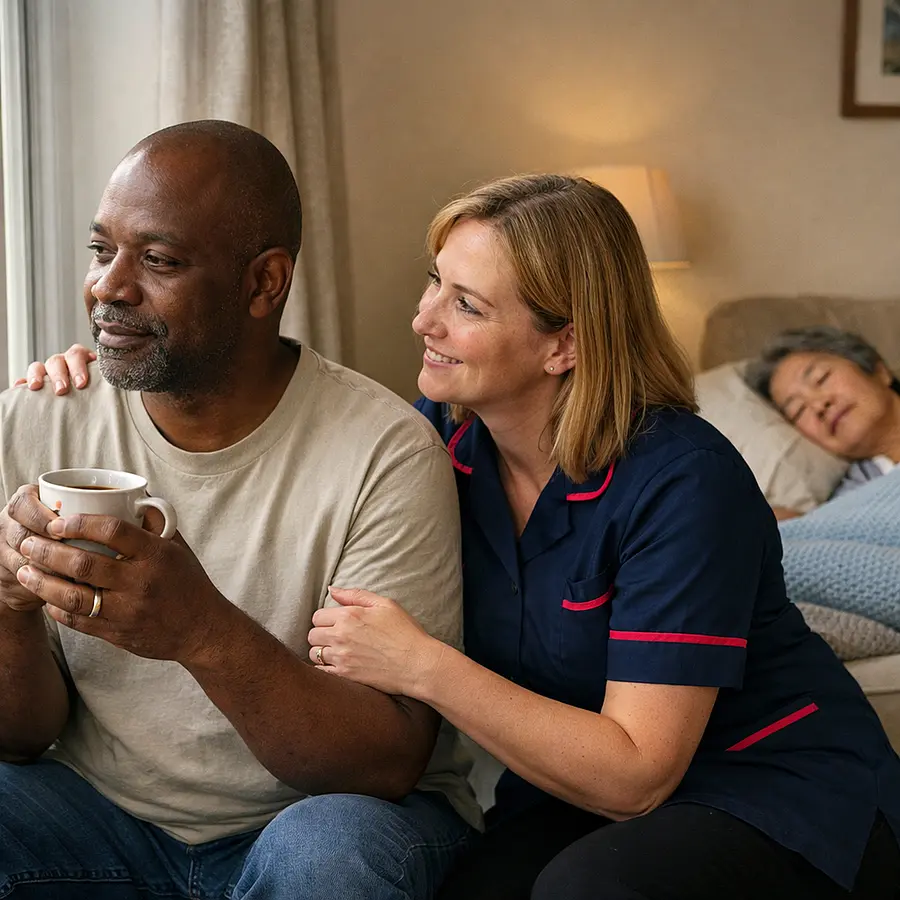
If treatment or surgery is planned, preparing the home early can reduce emotional strain later. This may mean clearing walkways, creating a rest area downstairs, or keeping essentials within reach. For practical ideas, read our guide on adapting your home environment after cancer surgery.

How professional cancer care at home can help emotionally
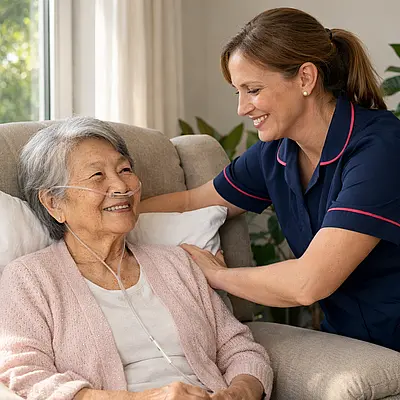
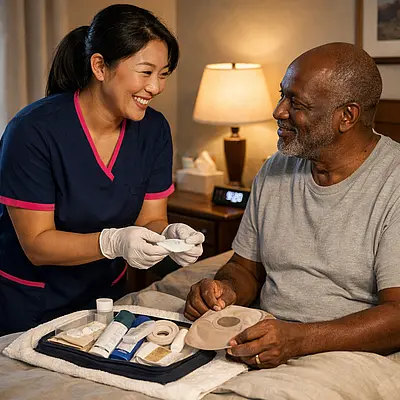
Professional support can bring steadiness when everything feels uncertain. We can assist with routines, daily washing and dressing, medicine prompts, companionship visits, meal support, and household tasks. This practical help often eases emotional pressure because it reduces the number of things you need to manage alone while adjusting to diagnosis.

Why choose us for emotional support with cancer at home
We understand that emotional coping and practical care are closely linked. Our approach is flexible, respectful, and shaped around the person, not just the diagnosis. Whether you need a few visits for reassurance or broader cancer care at home, we focus on dignity, consistency, and helping home remain a place of comfort and control.