
A realistic front room home care scene with a black male caregiver in a 00072b tunic with e51974 accent holding a reassuring conversation with an asian family and an elderly caucasian service user all smiling softly with natural lighting comforting dcor and a strong sense of trust warmth and dignity

Preparing your home for palliative care support in later life

Preparing your home for palliative care support in later life can make daily life safer, calmer, and more comfortable. Discover practical tips and how our compassionate home care team can help with dignity-focused support, then contact us to talk through the right care for your family.

Preparing your home for palliative care support in later life

Preparing your home for palliative care support in later life means making everyday living safer, calmer, and more comfortable. It can involve practical changes, emotional planning, and extra help with routines. The aim is to reduce stress and help someone live as well as possible at home, with dignity, familiarity, and the right support around them.

Warm, realistic scene of a Black female caregiver in a navy #00072b tunic with #e51974 accents, sitting beside a white male client in his living room, both smiling as they look at some paperwork about his cancer treatment, conveying reassurance and calm home support.

What palliative care at home preparation really involves

Good preparation is not about turning a home into a hospital. It is about thinking ahead: where someone will rest, how they will move safely, who will help with symptoms, and what daily tasks may become harder. Families often find it helpful to combine comfort planning with practical support such as washing and dressing assistance and help with medicines.

Realistic home office scene of an Asian male caregiver in a 00072b tunic with e51974 trim reviewing a digital care plan on a laptop beside an elderly black woman and her daughter discussing how catheter care fits with her other conditions all engaged and reassured.

Common home risks during palliative care planning

Without preparation, small issues can quickly become major stresses. Cluttered walkways, poor lighting, difficult bathroom access, missed medicines, and lack of nighttime reassurance can all affect comfort and safety. Tired relatives may also feel overwhelmed. Planning early helps reduce avoidable strain and can make room for better rest, clearer routines, and more confident decision-making for everyone involved.

A realistic home care scene with a caucasian male caregiver in 00072b tunic with e51974 details helping a black elderly female service user walk carefully indoors using mobility aids both calm and reassured bright hallway natural realistic style.

Choosing the best room for palliative care comfort

Start by deciding where care will happen most easily. A downstairs room may reduce effort if stairs are tiring or unsafe. Think about space for a bed, chair, side table, and carers to move around. Good ventilation, gentle lighting, and nearby toilet access matter too. Our guide to creating a comforting bedroom space at home can help.
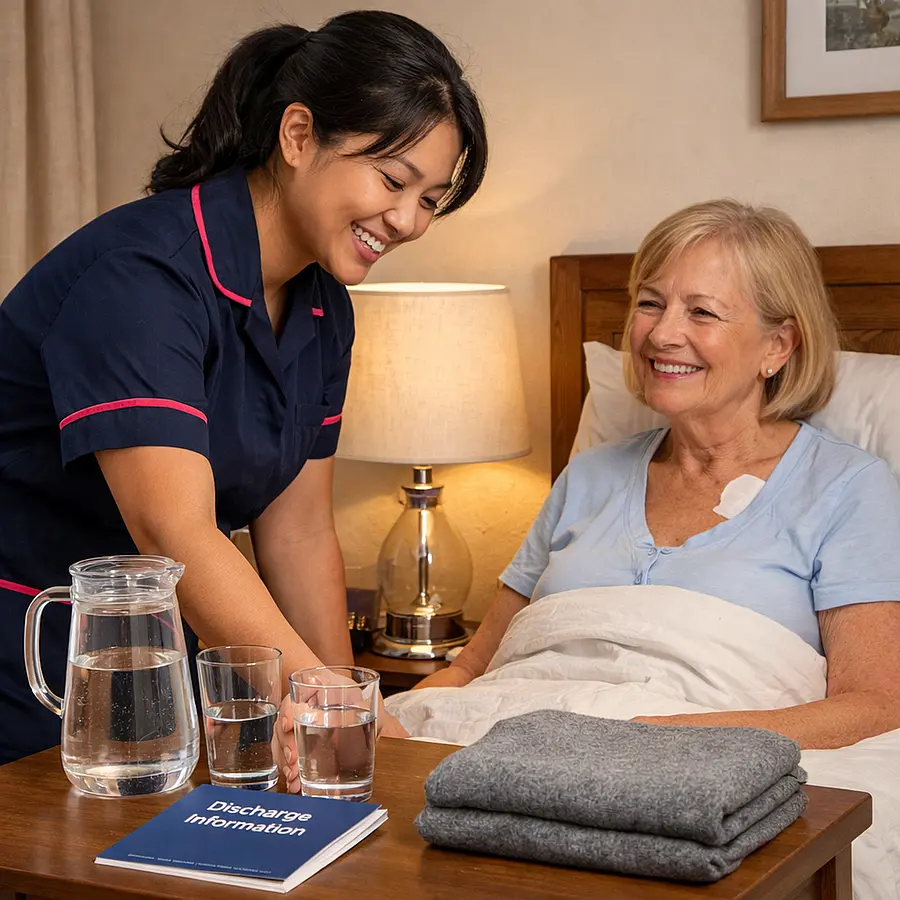
A realistic home care preparation scene showing an asian female caregiver in 00072b uniform with e51974 accents arranging a bedside table for a caucasian female service user after surgery with water jug glasses lamp discharge booklet and folded blanket both smiling with relief realistic photography

Making movement safer with home adaptations

Simple changes often make the biggest difference. Remove rugs that slip, keep cables tucked away, add brighter bulbs in hallways, and place everyday items within easy reach. If someone feels unsteady, consider guidance around walking routes and seating. Helpful ideas can also be found in simple home adaptations that make walking safer indoors.
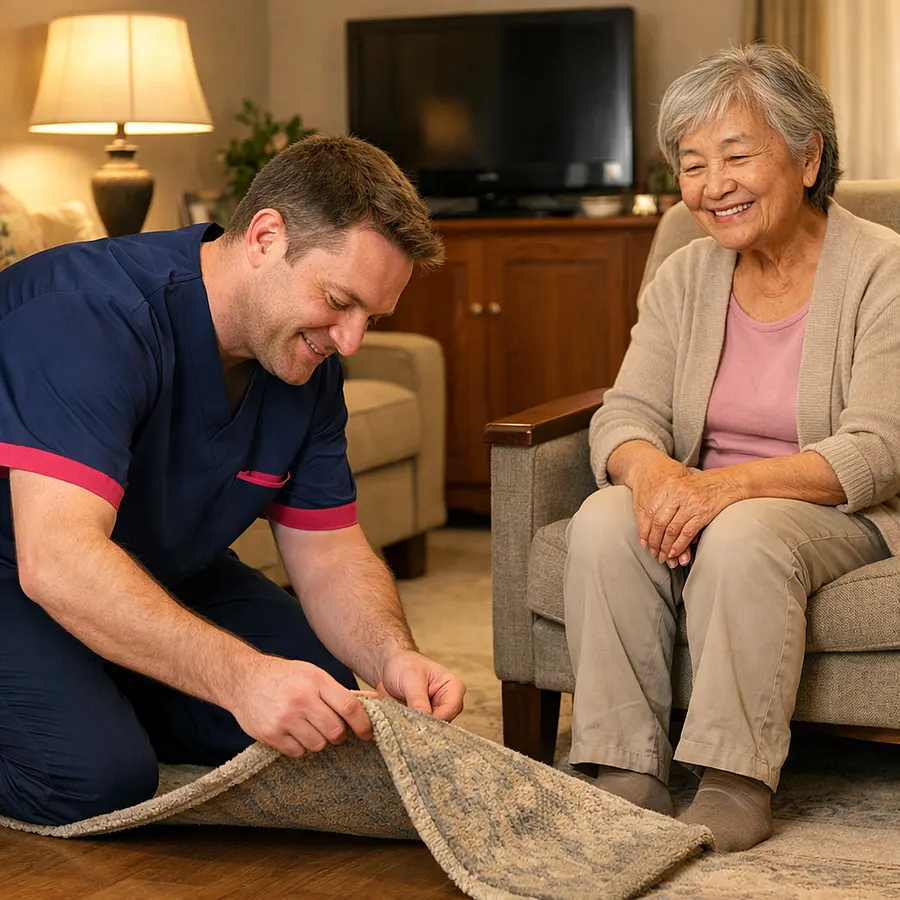
A realistic safety focused home care image showing a caucasian male caregiver in 00072b tunic with e51974 accent removing a rug edge hazard while an elderly asian woman watches with a relieved smile from a sturdy chair warm lighting safe living room caring and reassuring mood

Planning personal care areas for dignity and ease

Bathing, showering, toileting, and getting dressed can become more tiring in later life. Set out fresh towels, easy-fastening clothes, continence products, and a chair if needed. Keep the room warm and private. Many families benefit from support with washing, dressing, and personal hygiene, especially when preserving energy and dignity is a priority.

 A realistic bathroom where a caucasian female caregiver in a 00072b tunic with e51974 accents assists an older man both calmly focused with a commode and neatly stacked absorbent pads visible illustrating practical continence equipment in a homely environment

Organising medication support safely at home

Medication routines can become more complex during palliative care. Keep medicines in one agreed place, store them as instructed, and use a clear chart for timing and dosage if professionals advise it. It also helps to note who to call if symptoms change. Our medication management support can help families feel more confident and reduce missed or duplicated doses.

A realistic home care photograph of an asian male caregiver in a 00072b tunic with e51974 accent reviewing a medication organiser with an elderly caucasian woman at her dining table both smiling with reassurance daughter nearby relieved bright natural lighting

Setting up meal preparation for low energy days

Eating can be affected by fatigue, nausea, dry mouth, or a smaller appetite. Stock easy foods that are gentle, nourishing, and simple to serve, such as yoghurt, soup, soft fruit, and small sandwiches. Keep drinks close by. We can also help with meal planning and preparing light meals so the person saves energy for what matters most.

A black female caregiver in a 00072b tunic with e51974 trim serves a colourful bowl of soup and bread to a thin older Asian man seated at a dining table both smiling. The table is simply set conveying gentle encouragement to eat and maintain strength during cancer treatment.

Reducing daily pressure with domestic support

When energy is limited, everyday chores can feel exhausting. Fresh bedding, clear floors, washing up, laundry, and a tidy bathroom all help create a calmer space. Family carers often feel relief when they do not have to manage everything alone. Practical help with light household tasks can make the home easier to maintain and more restful to live in.
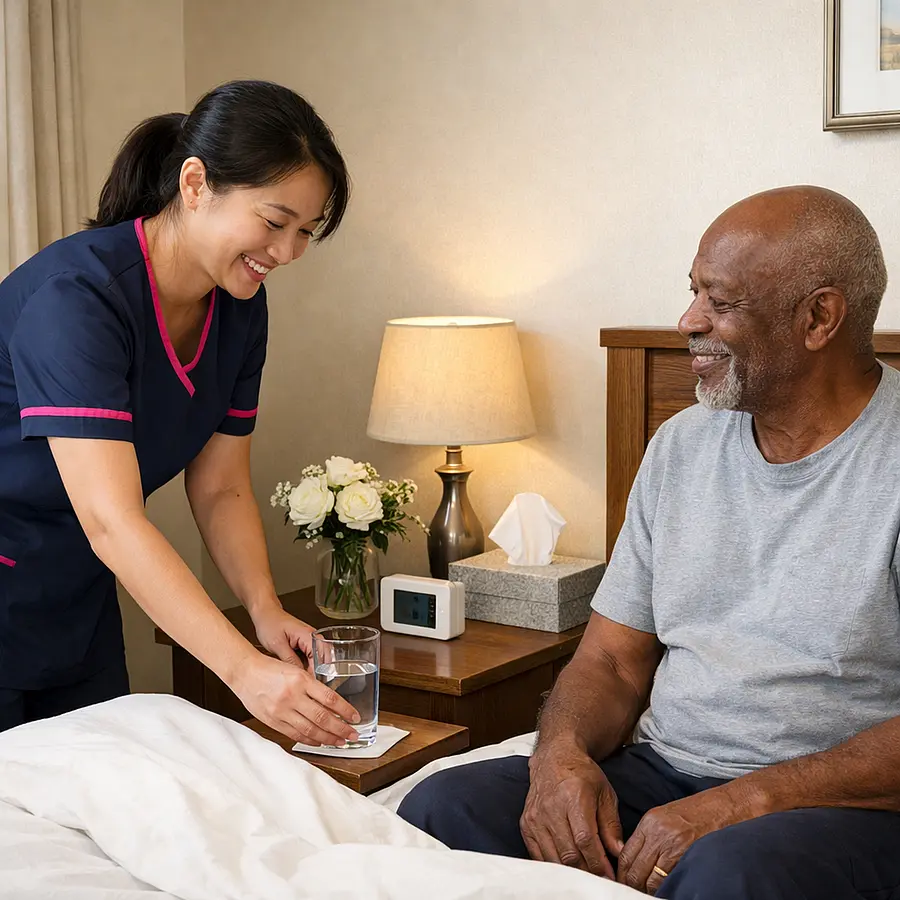
A realistic scene with an asian female caregiver in 00072b tunic with e51974 detail making a bed and refreshing a bedside table for a black elderly male service user both sharing a gentle smile clean comforting bedroom realistic style.

Creating reassurance through overnight care planning

Nights can be the hardest time for families, especially if someone wakes in pain, feels breathless, needs help to reposition, or becomes confused. Prepare a bedside lamp, water, call bell or phone, and essential supplies within reach. Some families choose waking or sleeping night support for extra reassurance and to reduce exhaustion for relatives.

A realistic night time bedroom setting with an asian female caregiver in a 00072b tunic with e51974 accent sitting calmly beside a sleeping caucasian service user checking comfort and smiling reassuringly toward a family member at the door with soft lamp light and a peaceful secure atmosphere.

Protecting emotional wellbeing with companionship support

Preparing the home is also about how it feels. Familiar photos, favourite blankets, music, and quiet conversation can bring comfort. Just as important is reducing loneliness for the person and pressure on relatives. Gentle companionship visits can include chatting, sitting together, reading letters, or simply being there on difficult days when extra emotional support is needed.

Realistic picture of a Black male caregiver in a 00072b tunic with e51974 piping sitting beside an elderly Asian woman on a sofa helping her look through a photo album both smiling gently afternoon light streaming in emphasising meaningful hobbies and memories.

Managing symptoms through practical comfort at home

Small comfort measures can make a noticeable difference. A fan near the chair, extra pillows for positioning, lip balm, blankets, and easy access to drinks can all help. Breathlessness and fatigue often improve when movement around the home is reduced. You may also find support in our guide to practical comfort measures at home.

Caucasian female caregiver in a 00072b tunic with e51974 trim using a calendar and notepad with an older Black man in his lounge planning upcoming hospital appointments and home support both smiling gently suggesting organised person centred care.

How one family prepared for palliative care at home

A daughter noticed her father was becoming tired after walking upstairs and missing parts of his routine. Together, they moved his bed downstairs, cleared the hallway, added a lamp by his chair, and created a tray for drinks, tissues, and medicines. These small changes made the day feel less rushed and helped him stay comfortable in familiar surroundings.
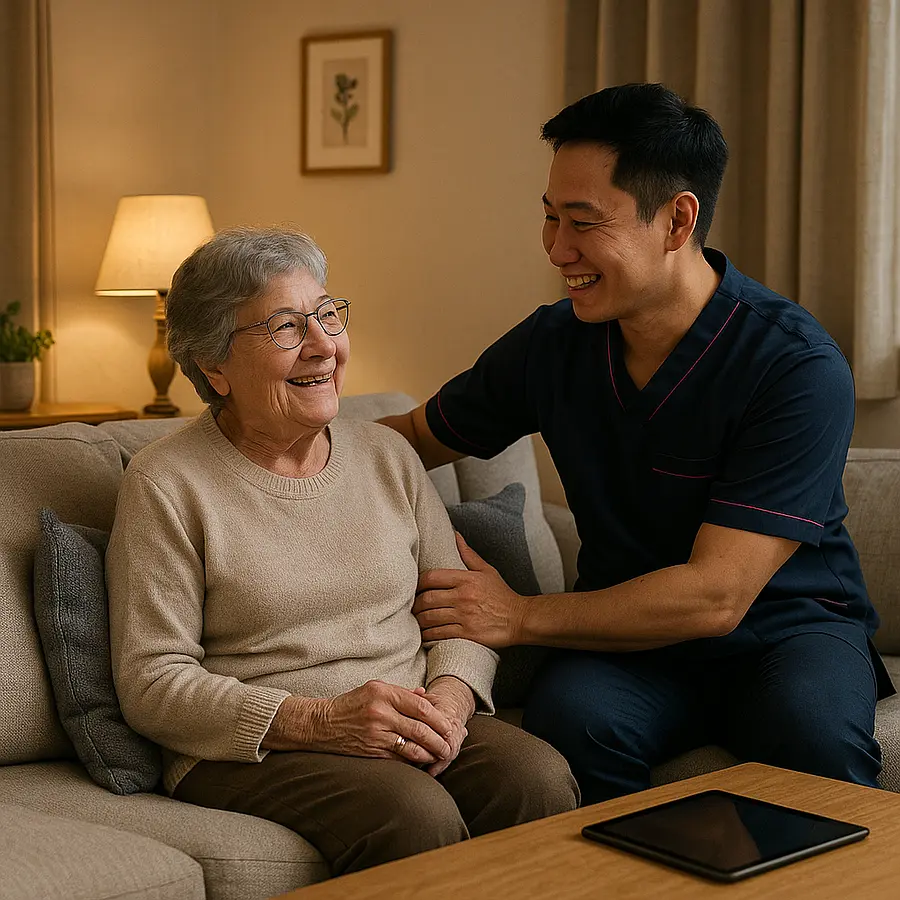
Cosy lounge with a asian male caregiver in a 00072b tunic with e51974 detailing placing supportive cushions behind an older lady with arthritis seated on a sofa tablet on coffee table both smiling as they talk about her day homely dcor and warm lamp lighting suggesting comfort and continuity.

Using daily routines to reduce strain

Another common approach is to simplify the day into gentle steps: wash, rest, eat, sit up for visitors, then rest again. Keeping essentials in the same place avoids repeated trips around the house. Families often find that a calm routine lowers anxiety. Our advice on creating a calm daily routine offers useful ideas.

A realistic home care scene showing a black female caregiver wearing a tunic uniform in color 00072b with e51974 accents sitting beside an elderly asian woman in a cosy living room offering reassurance with a warm smile soft natural lighting calm home setting joy and warmth realistic photography sty

Preparing for visitors and family time with less stress

Families often want precious visits to feel meaningful, not chaotic. Setting one comfortable seating area, keeping blankets nearby, and planning shorter visits can help prevent overtiredness. It also helps to let visitors know the best times of day. This means the person receiving care can enjoy company without too much noise, movement, or pressure around the home.

A realistic bedside family scene with a caucasian female caregiver in a 00072b tunic with e51974 accent arranging chairs for relatives around an elderly black man in bed everyone sharing warm smiles and soft eye contact with a comforting lamp lit room and heartfelt atmosphere.

Building confidence around changing needs

Needs can shift gradually or quickly. A person who managed the bathroom last week may suddenly need support washing or standing. Keeping flexible plans, spare bedding, easy clothing, and emergency numbers in one place can reduce panic. Families also benefit from understanding more about the difference between palliative and end-of-life care at home.

Photo style image of an Asian female family carer sitting on a sofa with her elderly white mother and a Black male professional caregiver in a 00072b tunic with e51974 details all looking over a notebook together smiling and planning care as a team.

Knowing when extra support may be needed

If family carers are losing sleep, struggling with lifting, feeling emotionally drained, or worried about symptoms, more support may be needed. This is not failure; it is a sensible response to changing circumstances. Reading about when it may be time to consider end-of-life care at home can help families make informed next steps.

A black male caregiver in a 00072b tunic with e51974 trim talks gently with an anxious looking middle aged white woman in a hallway while an older man rests in a nearby room. Their body language shows empathy and reassurance emphasising emotional support for families during cancer.

The role of professional palliative care at home

Professional care can make home life feel more manageable by supporting comfort, routine, and dignity. We can work alongside families and other professionals, helping with washing and dressing, medicines support, preparing suitable meals, household help, and night-time support. This can ease pressure while keeping care centred around the person’s wishes and comfort.

A realistic hallway scene before a medical appointment with a caucasian male caregiver in a 00072b tunic with e51974 accents helping an asian older female service user prepare a coat and bag both composed and reassured warm natural light realistic supportive home care image

Why choose us for palliative care support at home

We understand that preparing your home for palliative care support in later life is both practical and emotional. Our approach is compassionate, flexible, and built around what matters to the person and their family. We focus on comfort, dignity, and dependable help at home, giving families confidence that they do not have to manage every change on their own.

A realistic welcoming home care portrait showing an asian male caregiver in 00072b tunic with e51974 accent sharing a warm smile with an elderly black woman after a gentle exercise session comfortable living room joyful reassuring atmosphere realistic and natural
Hands of young adult and senior women over green b
Contact Us

Contact us to arrange Palliative Care at home

If you're looking for support with daily living for some one with palliative needs, we're here to help. Our friendly team is ready to offer guidance, answer your questions, and arrange palliative care tailored to your or your loved ones' needs in their own home. Reach out today for personalised advice and support.

Preparing your home for palliative care support in later life FAQ's

You’re bound to have questions when exploring your home care options, so we’ve answered some of the most common ones below.

A clean, uncluttered, and calm environment can make a big difference to comfort and safety. When someone is living with serious illness or increasing frailty, simple household tasks such as laundry, changing bedding, washing dishes, or keeping floors clear can quickly become tiring for relatives. Domestic support helps the home stay manageable without draining the family’s energy. It also reduces trip hazards, supports better hygiene, and creates a more restful atmosphere. Many carers say that once these everyday pressures are eased, they can spend more meaningful time with their loved one. Domestic support is not just about chores; it is about helping the whole home function better around changing care needs.

Yes, professional support can make a major difference for family carers as well as the person receiving care. Relatives often carry a heavy emotional and physical load, especially when routines change quickly or sleep is affected. Professional carers can share practical tasks, provide consistency, and bring a calm presence into the home. This can reduce anxiety and give family members space to rest, work, or simply spend time together in a less pressured way. Support can also help carers feel more confident about handling everyday routines. In many homes, the right care does not replace family involvement; it strengthens it by making the overall situation more sustainable and less overwhelming.

Palliative care support is focused on improving comfort and quality of life when someone is living with a serious illness, long-term condition, or increasing frailty. It can begin much earlier than many people expect and may continue for some time. End-of-life care is usually a later stage of support when someone is thought to be nearing the final phase of life. Both approaches aim to reduce distress and respect the person’s wishes, but they are not exactly the same. Understanding the difference can help families plan more confidently, ask the right questions, and put home support in place at the right time rather than waiting until they are already in crisis.

Yes, many families successfully arrange palliative care mainly on one level of the home. In fact, using a downstairs room can be a very practical way to reduce effort, avoid stairs, and keep everything close by. The main things to consider are privacy, enough space for movement and care, access to a toilet or commode if needed, and room for essential items such as a chair, side table, and supplies. A downstairs setup can work especially well when walking is tiring or there are concerns about falls. It may take a little adjustment at first, but many people find it easier and more comfortable once the space has been arranged thoughtfully around their daily routine.

The best approach is to keep medicines in one agreed place, clearly stored according to instructions, and only handled by the appropriate person. Many families find it helpful to keep a written schedule of what is due and when, especially if more than one person is helping. It is also useful to note who to contact if symptoms change or a dose is missed. Try not to scatter medicines in different rooms, as that increases confusion. If routines are becoming difficult to manage, professional medication support can help reduce mistakes and provide reassurance. What matters most is clarity, consistency, and making sure the person is supported in a calm and safe way.

Personal care is often one of the most important parts of preparation because bathing, dressing, and toileting can become tiring or uncomfortable as needs change. Setting out easy clothing, fresh towels, continence products, and toiletries in one place can simplify the routine. You may also want a chair nearby, a warm room, and enough space for someone to assist safely if needed. Preparing in this way helps reduce embarrassment and supports dignity. If a loved one would benefit from extra help, professional support with washing, showering, dressing, and hygiene can make the day feel much less stressful. It also allows family members to focus more on emotional support and quality time.

Meal preparation is often easier when it is simple, flexible, and based on what the person can manage on that day. Large meals may feel overwhelming, so smaller portions more often can work better. Soft foods, drinks within reach, and ready-to-serve options can help on low-energy days. It is also wise to keep favourite foods available, even if appetite varies. Preparing trays, using lightweight cups, and keeping snacks close to the chair or bed can reduce effort. Professional help with shopping, preparing light meals, and encouraging drinks can take pressure off family members and make eating feel less like a task. The aim is comfort and nourishment, not forcing a routine that feels too much.

It is completely normal to feel unsure. Many families worry that seeking professional support means things have become more serious than they want to admit. In reality, getting advice or arranging help can simply be a practical step to make home life easier and safer. You do not need to wait until you are at breaking point. Often, support starts with a conversation about routines, concerns, and what is becoming difficult. From there, care can be tailored to suit the person’s needs and adjusted over time. Asking questions early can give you options, reassurance, and breathing space, rather than forcing rushed decisions later when everyone is under more pressure.

A good starting point is to look at the home through the lens of comfort, safety, and ease. Think about where the person spends most of their time, how far they need to walk, whether stairs are becoming difficult, and how easy it is to access the toilet, wash, rest, and eat. Remove obvious trip hazards, improve lighting, and keep essentials close by. It also helps to decide where medicines, contact numbers, and daily care items will be kept. Many families begin with one room and then build from there. If support is needed, we can help you think through routines, practical changes, and the right level of care at home.

A suitable bedroom should feel calm, private, and easy to move around in. Try to leave space on both sides of the bed if possible, so care can be given safely and without awkward lifting or twisting. Keep a lamp, water, tissues, medicines if appropriate, and a phone or bell within easy reach. Choose soft but practical bedding and make sure the room temperature can be adjusted. Good ventilation and low noise levels also help. If climbing stairs is becoming difficult, it may be worth using a downstairs room instead. The key is not perfection, but creating a space that reduces effort and supports rest, dignity, and reassurance throughout the day and night.

We proudly provide high-quality home care across the East Midlands, in an around the towns and cities detailed below.

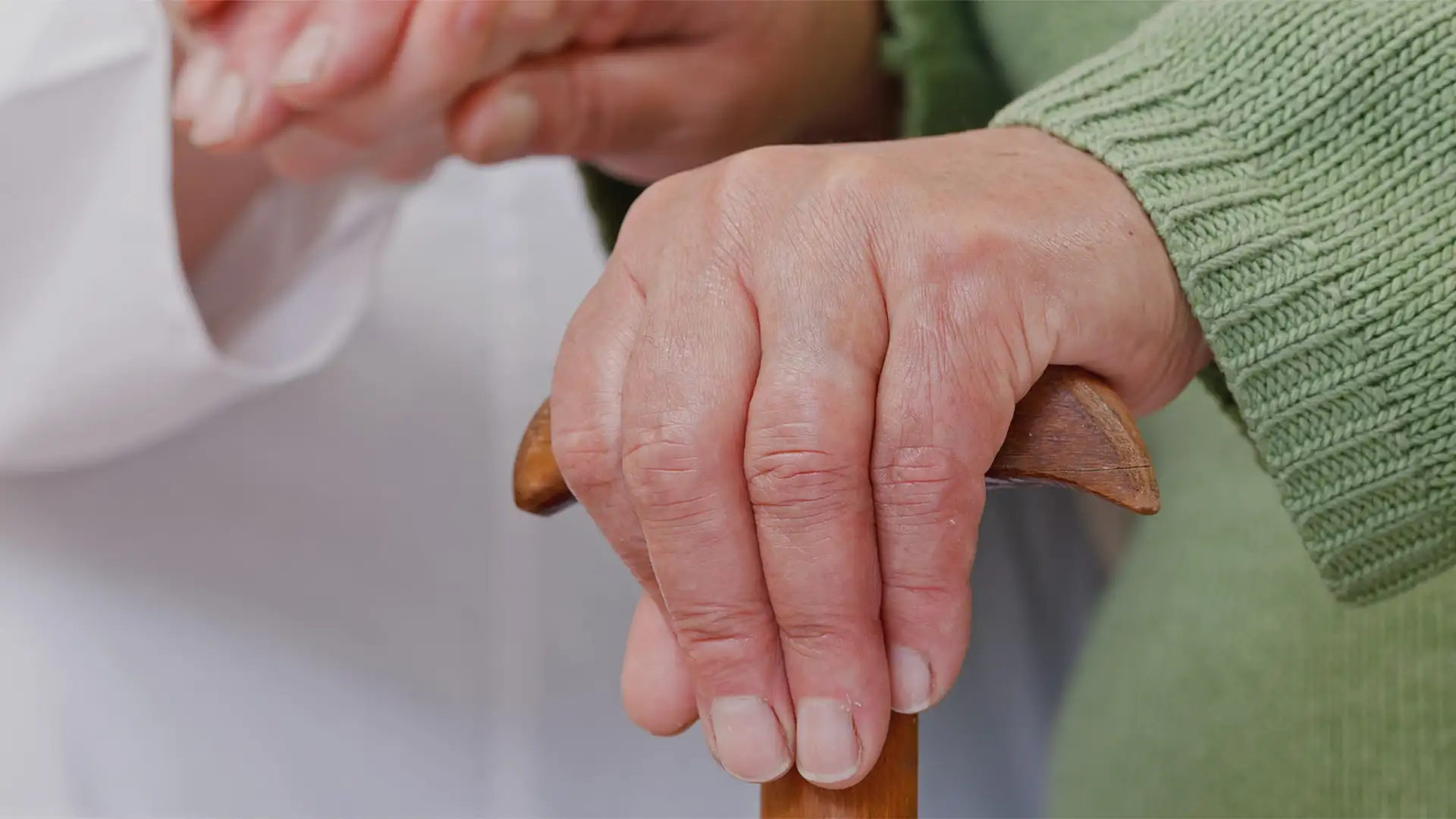
Elderly hands on a walking sitck

We're becoming a fully regulated service

While we are not currently regulated, meaning there are some services we cannot currently provide, we are in the process of registering to become a fully regulated service.

CQC
Elderly hands on a walking sitck

Call us to find out more about Preparing your home for palliative care support in later life

East Midlands

We proudly provide high-quality home care across the East Midlands

Our Reviews

We’re proud of the trust families place in us. Here’s what some of the people we support, and their loved ones, say about our home care services.

"They have been a great help with keeping on top of my dads laundry and general house cleaning as he is bed bound and have been being changed daily."

Emily R

"Really helped me with keeping on top of my house work since my parkinson's has progressed."

Mark T

"Great support for my mum after she lost her confidence after a fall and hospital stay."

Sarah L

Senior woman hand in caregiver hands

Join The Good News Newsletter

Be the first to discover exclusive offers, and service updates. Your journey to independent living starts here - where everything truly is fine.


Contact The Good Place

We’d love to hear from you! Whether you have questions, want to learn more about our home care service, or are ready for us to start supporting you or your loved one, our good people are here to help. If you are looking to make a complaint, you can contact our Registered Manager or Nominated Individual directly.

Send Us a Message


Elderly hands on a walking sitck

Working in Partnership

We work closely within the community to provide safe, compassionate, reliable home care that supports independence, dignity, and improved wellbeing while remaining at home.

Staffordshire County Council
NHS
Derbyshire County Council