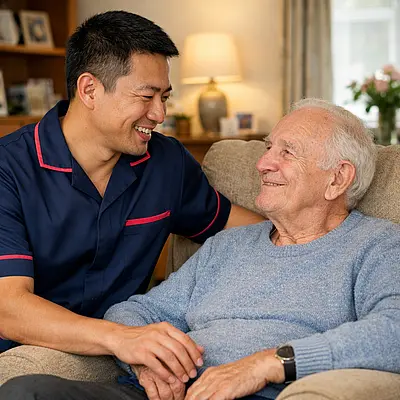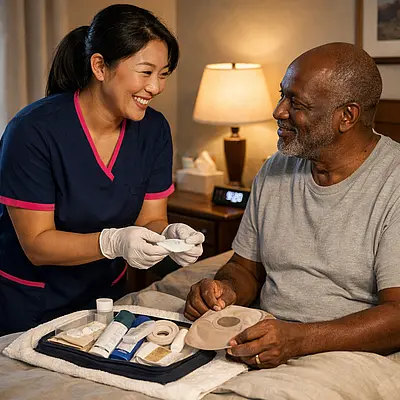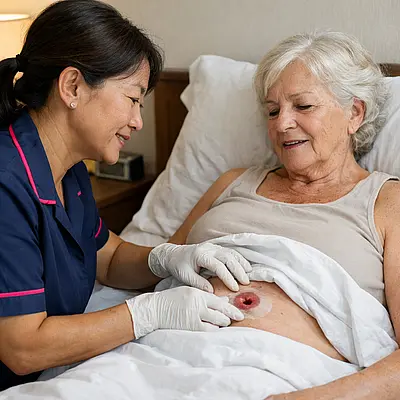
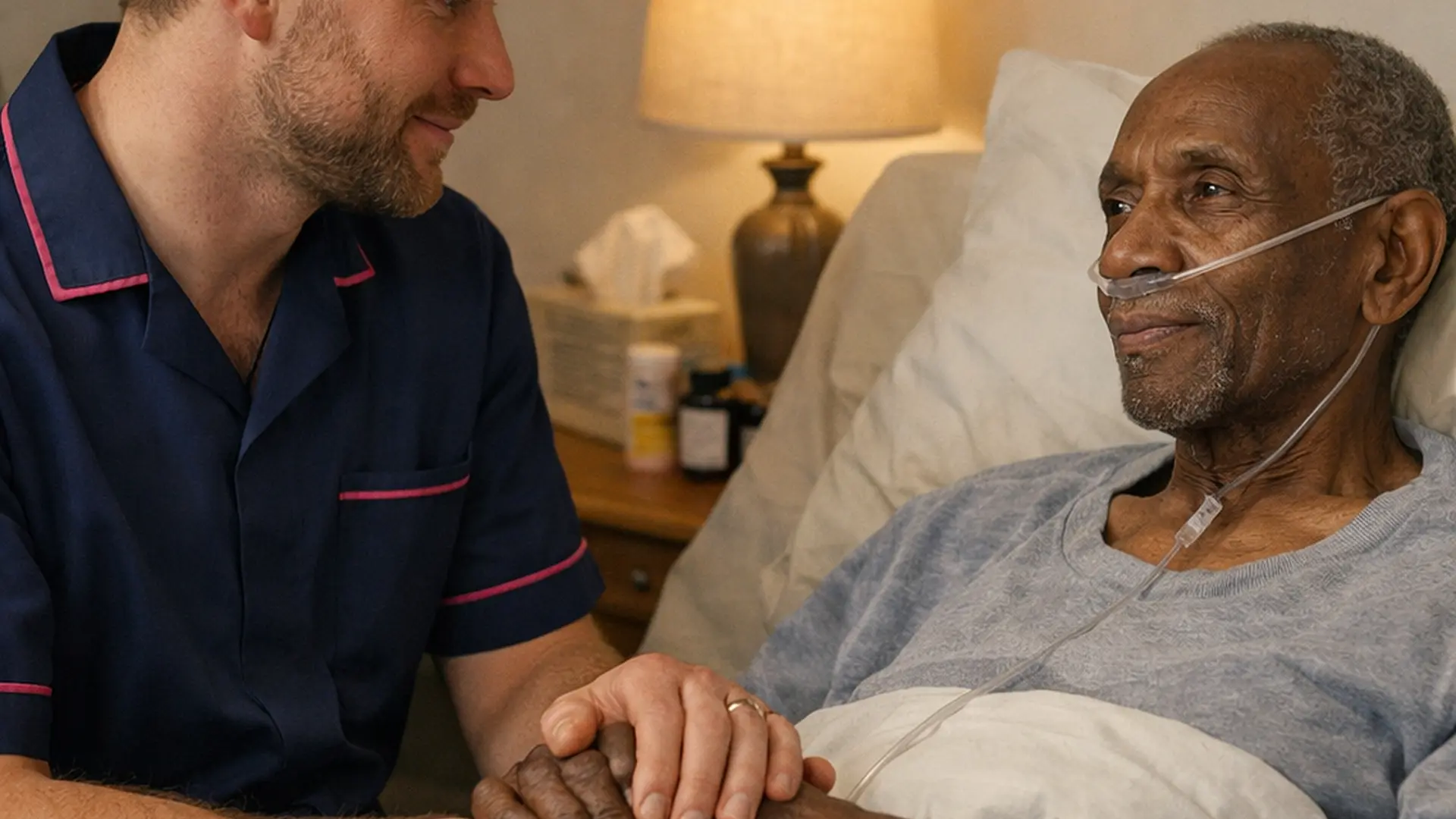
Gentle realistic scene of a white male caregiver in a 00072b tunic with e51974 piping sitting at the bedside of a frail black man with oxygen tubing holding his hand in a softly lit bedroom emphasising advanced lung cancer support.

Understanding the difference between palliative care and end-of-life care at home

Learn the difference between palliative care and end-of-life care at home, what each means in practice, and how we can support comfort, dignity, and family peace of mind. Contact us to talk through care options tailored to your loved one’s needs.

Understanding palliative care and end-of-life care at home

Palliative care and end-of-life care are closely linked, but they are not the same. Palliative care can begin much earlier, helping someone live as comfortably as possible with a serious illness. End-of-life care usually refers to support in the final stage of life. At home, both focus on comfort, dignity, emotional wellbeing, and practical help for the whole family.

A realistic home care scene showing a black female caregiver wearing a tunic uniform in color 00072b with e51974 accents sitting beside an elderly asian woman in a cosy living room offering reassurance with a warm smile soft natural lighting calm home setting joy and warmth realistic photography sty

What palliative care means in everyday life

Palliative care supports people living with serious or life-limiting conditions by managing symptoms, reducing distress, and helping daily life feel more manageable. It may run alongside treatment and can last weeks, months, or longer. End-of-life care is usually introduced when professionals believe someone may be in the last phase of life and comfort becomes the main priority.

A realistic kitchen table conversation at home with an asian male caregiver in a 00072b tunic uniform with e51974 accent trim speaking reassuringly with a caucasian female service user and her daughter cups of tea on the table warm expressions tidy home setting emotionally supportive and realistic

Recognising key challenges at home

Families often find the emotional uncertainty hardest. Symptoms can change quickly, energy levels may vary from day to day, and it can be difficult to know when extra help is needed. There may also be concerns about pain, eating less, disturbed sleep, falls, or whether a loved one is becoming less able to manage washing, moving around, or taking medicines safely.
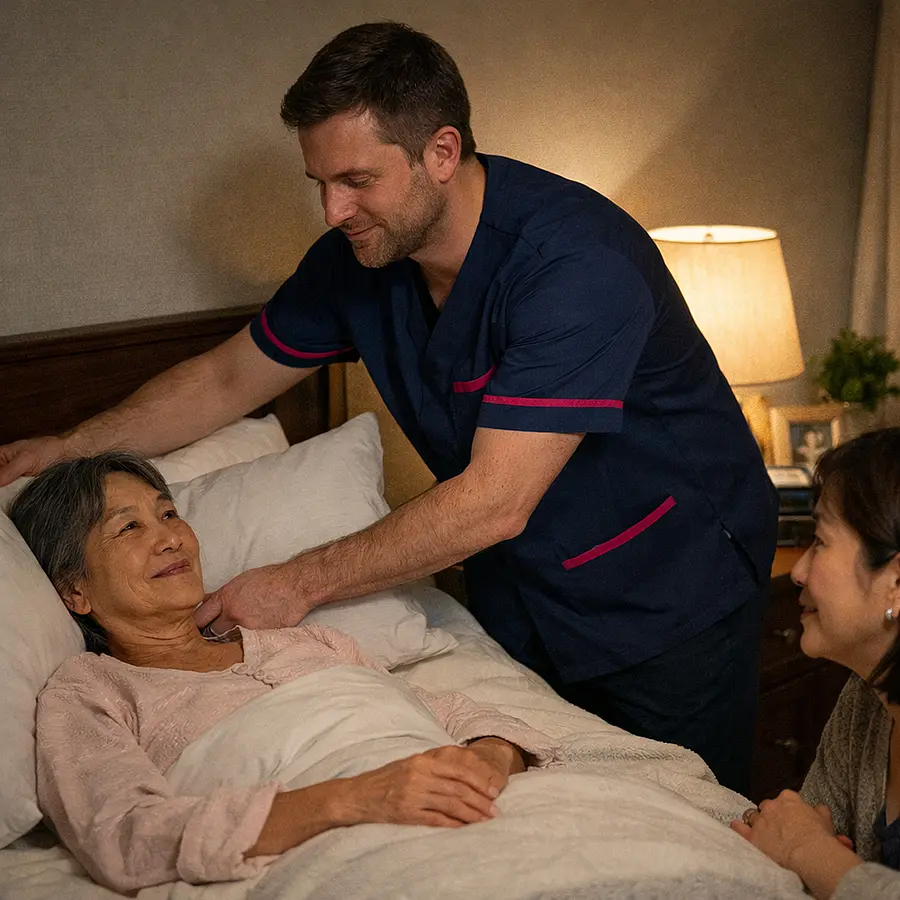
A realistic night time home care image showing a caucasian male caregiver in a tunic uniform colour 00072b with e51974 accent adjusting pillows for an asian female service user family member watching with relief warm bedside light peaceful bedroom clear sense of safety and reassurance realistic not

Planning care at home around comfort

A good starting point is to ask what comfort looks like for your loved one. That might mean a quieter bedroom, favourite blankets, familiar music, regular visitors, or fewer interruptions. Small routines help too, such as offering drinks little and often, keeping essentials nearby, and arranging support with washing and personal hygiene when tiredness makes tasks harder.

A realistic home care scene showing a black female caregiver in a tunic uniform colour 00072b with e51974 accent reviewing medication notes with a caucasian family member beside a resting asian female service user bedside table organised caring smiles calm and professional atmosphere

Managing symptoms and comfort day by day

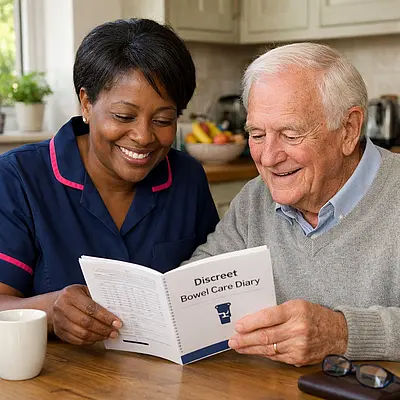
Symptom support may include helping someone rest between activities, using pillows to ease breathlessness, encouraging sips of fluid, and noticing changes in pain, confusion, or agitation. Families often benefit from guidance on what is normal and what needs attention. Keeping a simple notebook of symptoms, appetite, sleep, and mood can make conversations with professionals clearer and more useful.
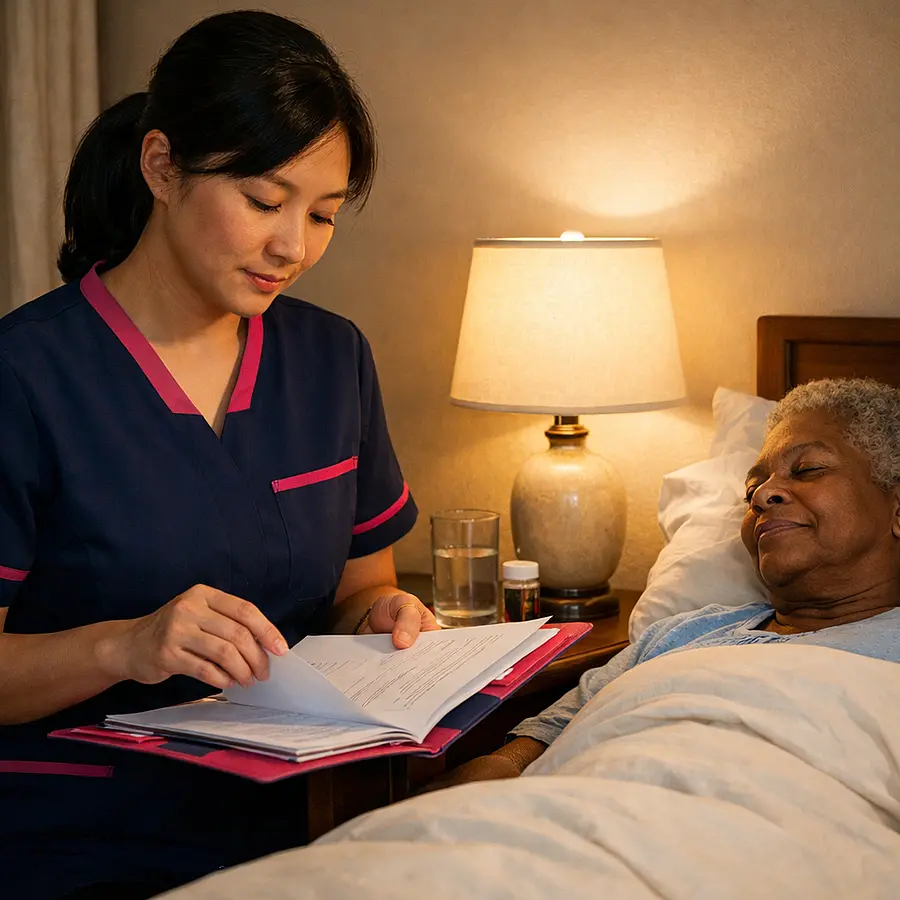
Asian female caregiver in a 00072b tunic with e51974 accents quietly checking a care folder at a bedside table while an older Black woman rests comfortably in bed bedside lamp on peaceful evening atmosphere.

Supporting medication routines safely at home

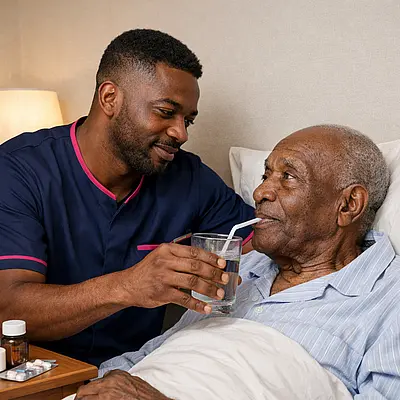
Medicines may change over time, especially if symptoms increase or swallowing becomes difficult. Clear labels, an up-to-date list, and a regular review can reduce stress for everyone involved. Our support with medication management at home can help families keep track of timings, monitor comfort, and notice when a professional review may be needed.

White female caregiver in a 00072b tunic with e51974 trim handing a clearly labelled pill organiser to an older Asian woman at the kitchen table both smiling gently with a glass of water nearby.

Creating calm daily routines during serious illness

Even when health is changing, familiar structure can still be comforting. A simple plan for mornings, meals, rests, visiting times, and bedtime can reduce anxiety. You may find helpful ideas in our guide to creating a calm daily routine during palliative care at home, especially when days feel unpredictable or emotionally heavy.
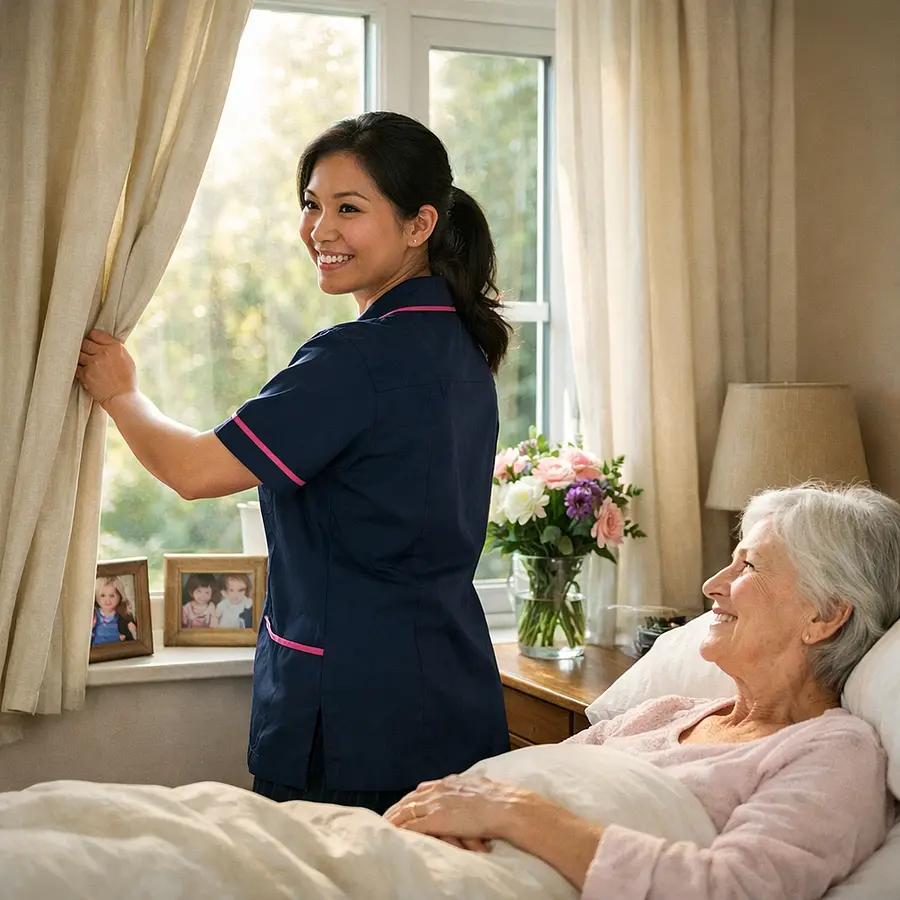
Realistic scene of an Asian female caregiver in a 00072b tunic with e51974 accents opening curtains in a cosy bedroom smiling towards an older white woman in bed sunlight coming in family photos and flowers on the windowsill atmosphere of quiet morning routine and safety.

Helping with food and fluids gently

Appetite often changes during palliative and end-of-life care, so pressure-free support matters. Smaller portions, favourite foods, softer textures, and drinks within easy reach can help. Some days a person may want very little, and that can be upsetting for relatives. Our help with meal preparation can make eating and drinking feel less demanding and more comforting.

Realistic image of a black male caregiver in a 00072b tunic with e51974 accent cooking soup in a bright kitchen while an older Asian woman with a headscarf sits at the table watching and smiling.

Making the home environment easier to manage

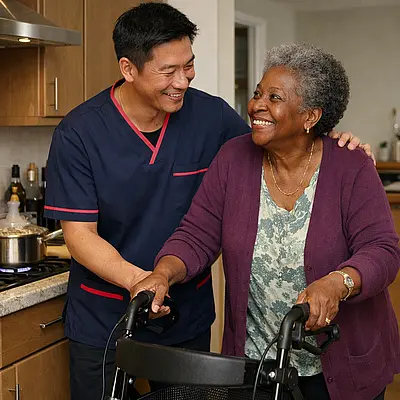
Practical changes around the house can make a big difference. Keep walkways clear, move important items within reach, and make sure lighting is soft but sufficient. Extra help with laundry, dishes, and tidying can also reduce pressure on relatives. Our light domestic support helps families focus more on time together and less on everyday tasks.

A realistic scene showing a caucasian female caregiver in a 00072b tunic with e51974 accent helping a black elderly man notice a tidy medication box and safe walking space at home both smiling reassuringly adult family member observing with relief bright hallway realistic and warm

Using overnight support when nights feel harder

Nights can be the most worrying time for families, especially if someone wakes confused, needs help to reposition, or becomes uncomfortable. Having planned overnight care can bring reassurance and help everyone get more rest. It can also mean changes in breathing, pain, or restlessness are noticed early rather than becoming overwhelming by morning.
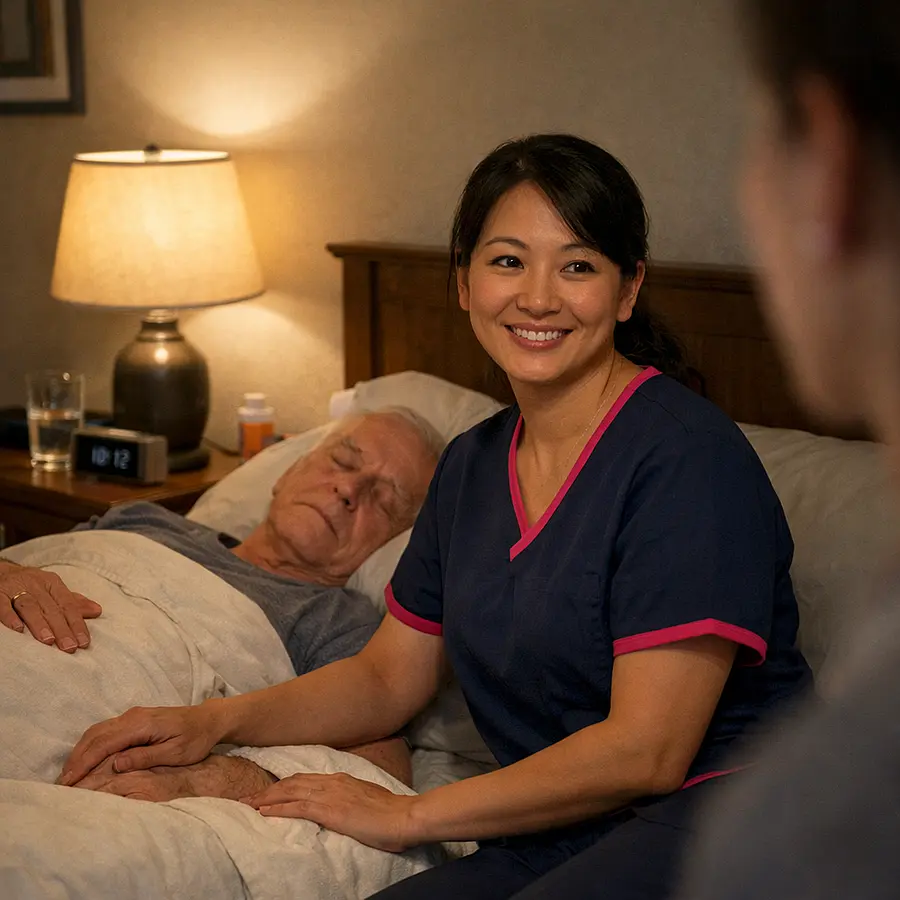
A realistic night time bedroom setting with an asian female caregiver in a 00072b tunic with e51974 accent sitting calmly beside a sleeping caucasian service user checking comfort and smiling reassuringly toward a family member at the door with soft lamp light and a peaceful secure atmosphere.

Protecting emotional wellbeing for everyone involved

Serious illness affects the whole household. Some relatives want detailed information, while others need time to take things in. Gentle conversations, honest updates, and short breaks can help. Our guide on emotional support for family carers during palliative care at home offers practical ways to look after yourself while supporting someone else.
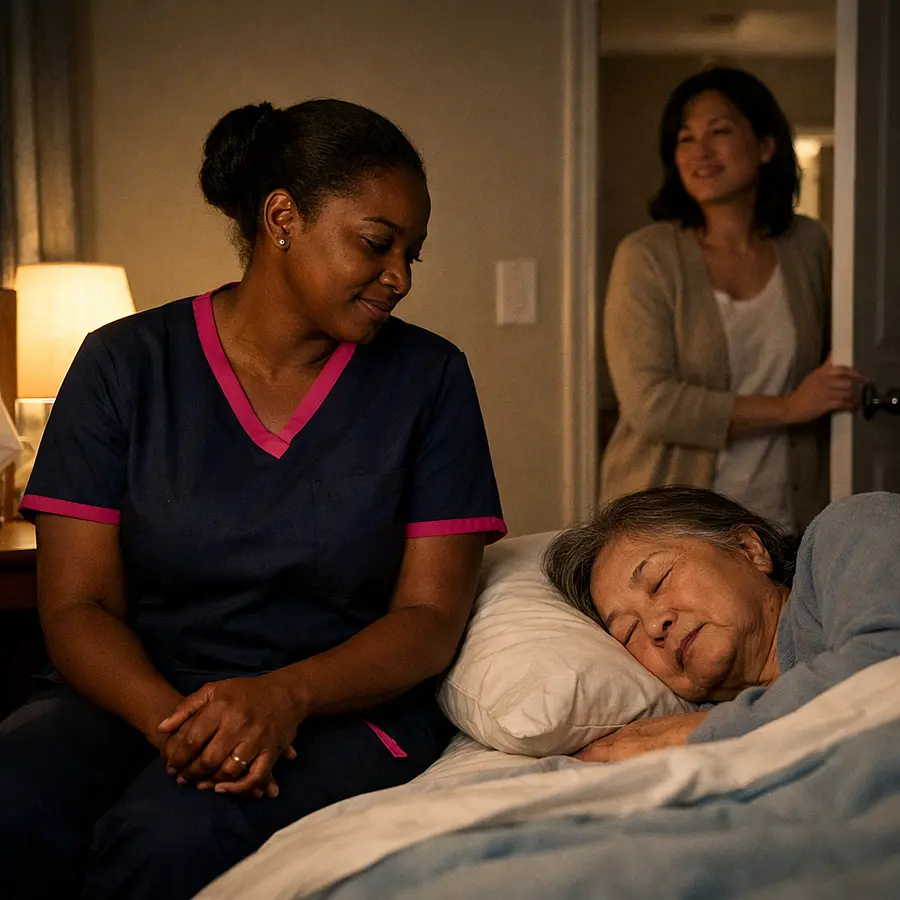
A black female caregiver in a 00072b tunic with e51974 accents sits quietly beside a sleeping older Asian woman in a dim bedroom at night while the womans daughter leaves the room looking relieved. The atmosphere is peaceful highlighting respite for family carers.

Knowing when end-of-life care may be needed

End-of-life care may become more relevant when someone is sleeping much more, eating and drinking less, becoming weaker, or showing signs that the body is slowing down. Families often feel uncertain about what these changes mean. Our guidance on recognising when it’s time to consider end-of-life care at home can help you prepare.
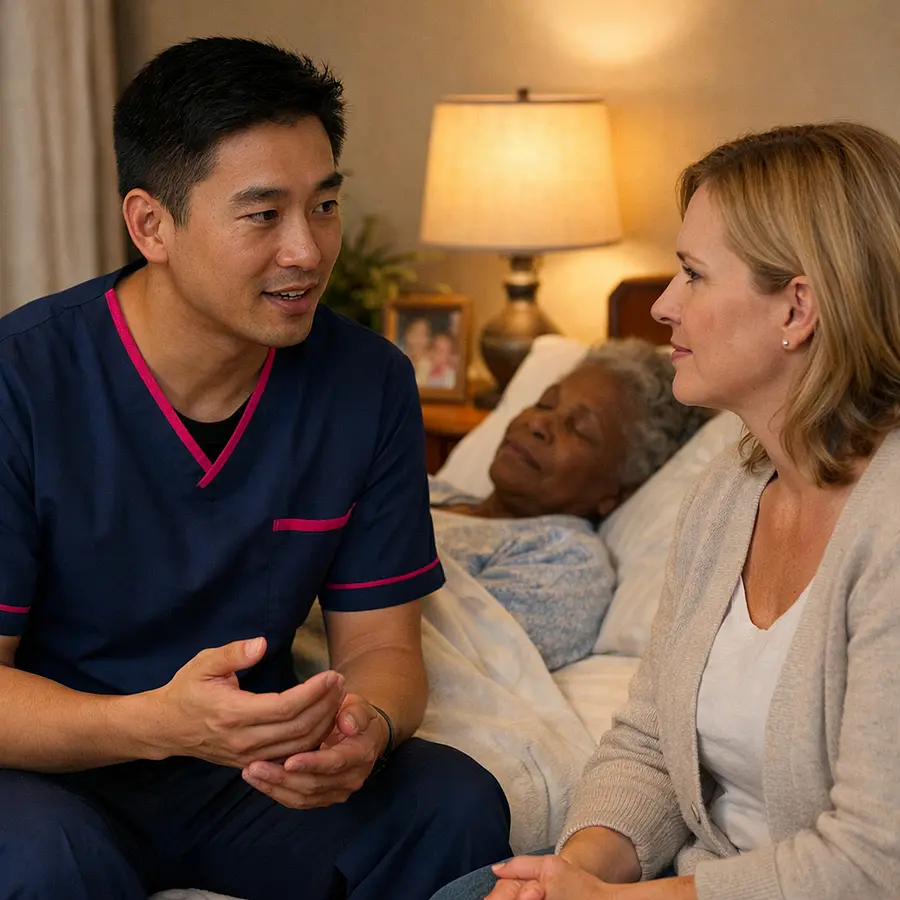
A realistic bedroom scene with an asian male caregiver in a tunic uniform colour 00072b with e51974 accent gently explaining end of life changes to a caucasian female family member while a black elderly female service user rests comfortably in bed warm home setting soft lamp lighting calm and reassu

In real family routines the difference often becomes clearer

For example, someone with advanced cancer may receive palliative care at home for several months while still attending appointments and enjoying visits from friends. Support might include help with bathing, fatigue, and symptom monitoring. As their condition changes, care may gradually shift towards end-of-life support, with more focus on comfort, rest, and being surrounded by familiar people.
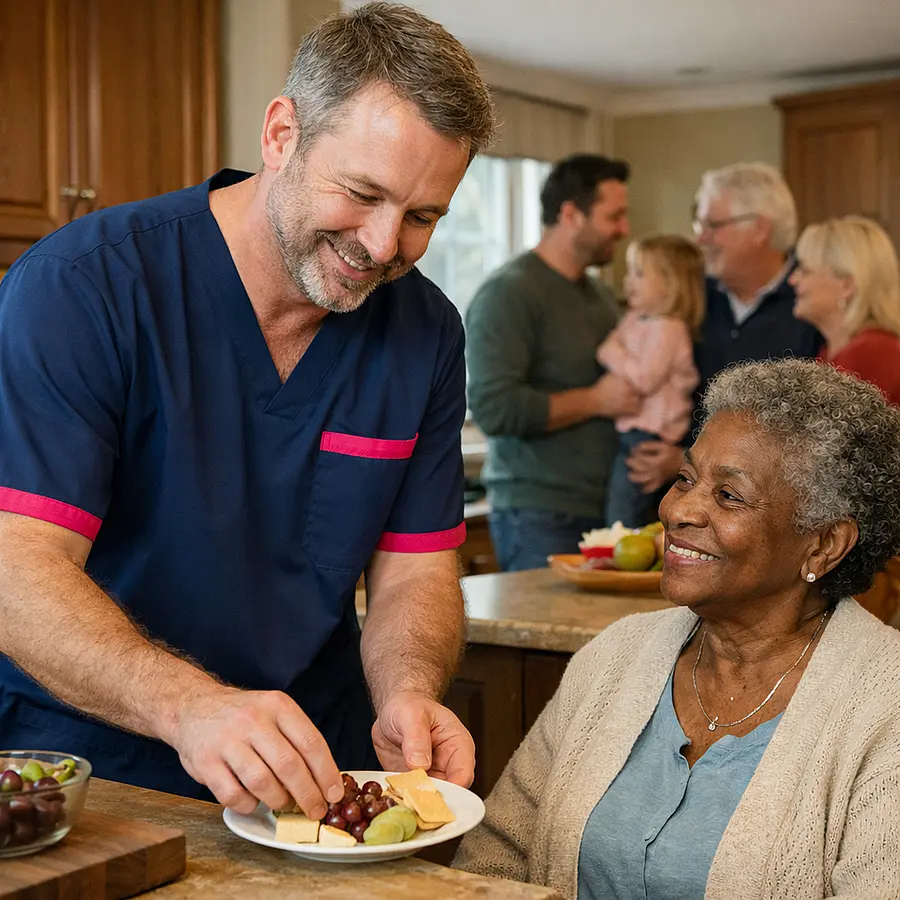
A realistic home kitchen scene with a caucasian male caregiver wearing a 00072b tunic with e51974 accent preparing a small comforting plate for an older black woman seated nearby both smiling gently with family gathered in the background and a warm homely atmosphere.

With progressive illness support can change over time

A person living with conditions such as motor neurone disease, advanced COPD, or Parkinson’s may need palliative care long before the final weeks of life. One month, they may only need support with fatigue and medicines. Later, they may need more help with moving, eating, and staying comfortable. That gradual change is often why the two terms can feel confusing.
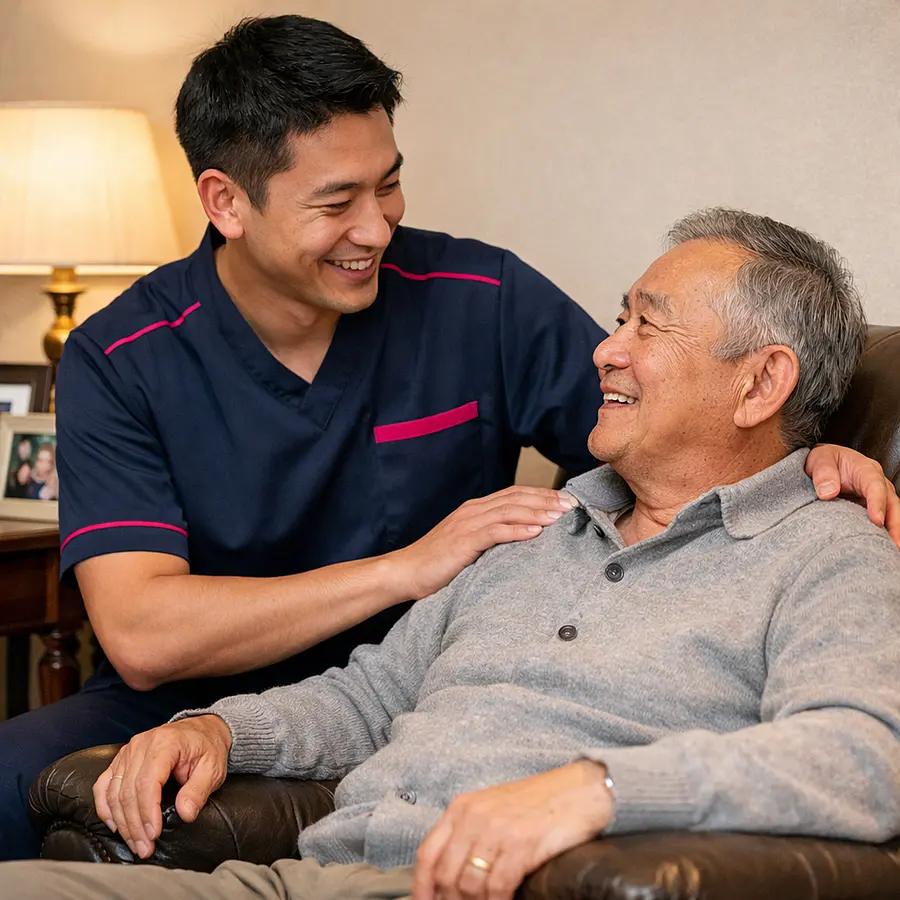
Realistic image of an Asian male caregiver in a 00072b tunic with e51974 accents helping an older Asian man sit comfortably in an armchair at home with a cosy lamp and family photos in the background both looking relaxed and engaged in conversation.

When family carers need practical breathing space

Many relatives manage appointments, phone calls, shopping, and emotional support all at once. In practice, palliative care at home often works best when families accept help early. This might mean a carer taking over parts of a morning routine, offering friendly companionship so a relative can rest, or simply being there during difficult afternoons.
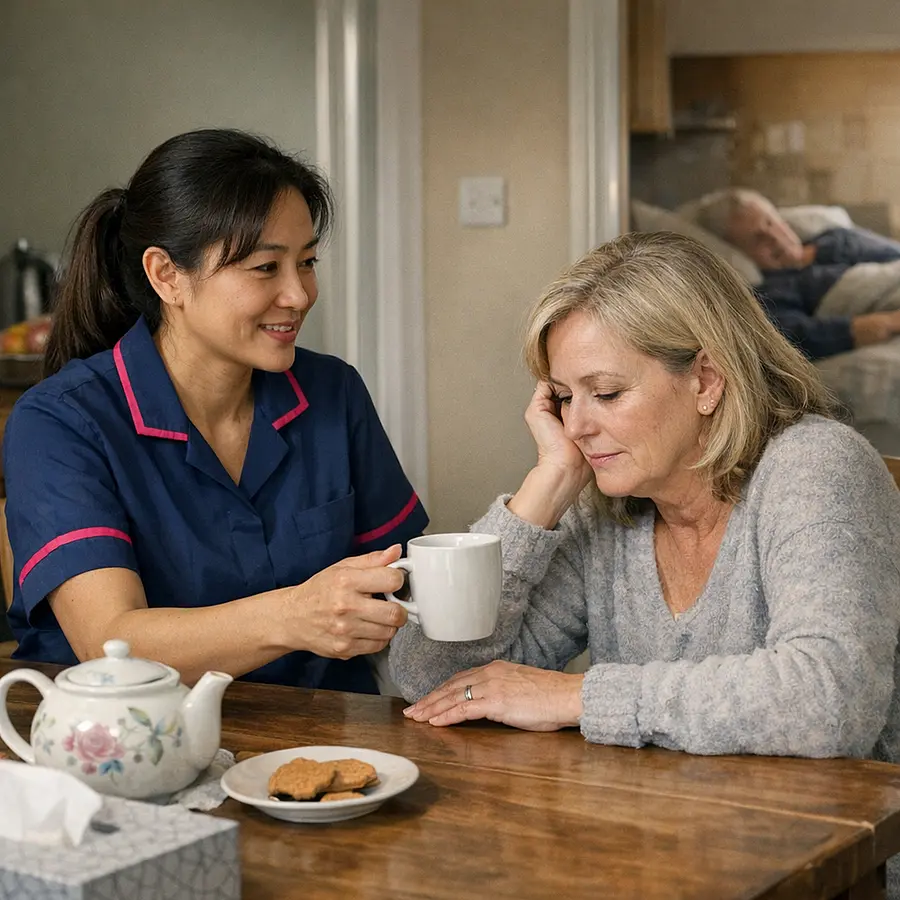
Asian female caregiver in 00072b tunic with e51974 detail sitting at a kitchen table with a tired white woman gently encouraging her to drink tea and talk while the older patient rests in another room illustrating support for family carers.

During the final weeks at home priorities often narrow

When someone is nearing the end of life, families often find that schedules matter less and comfort matters more. Visits may become shorter, the room quieter, and hands-on support more frequent. You may find it helpful to read our page on recognising the final weeks of life at home so changes feel less frightening.
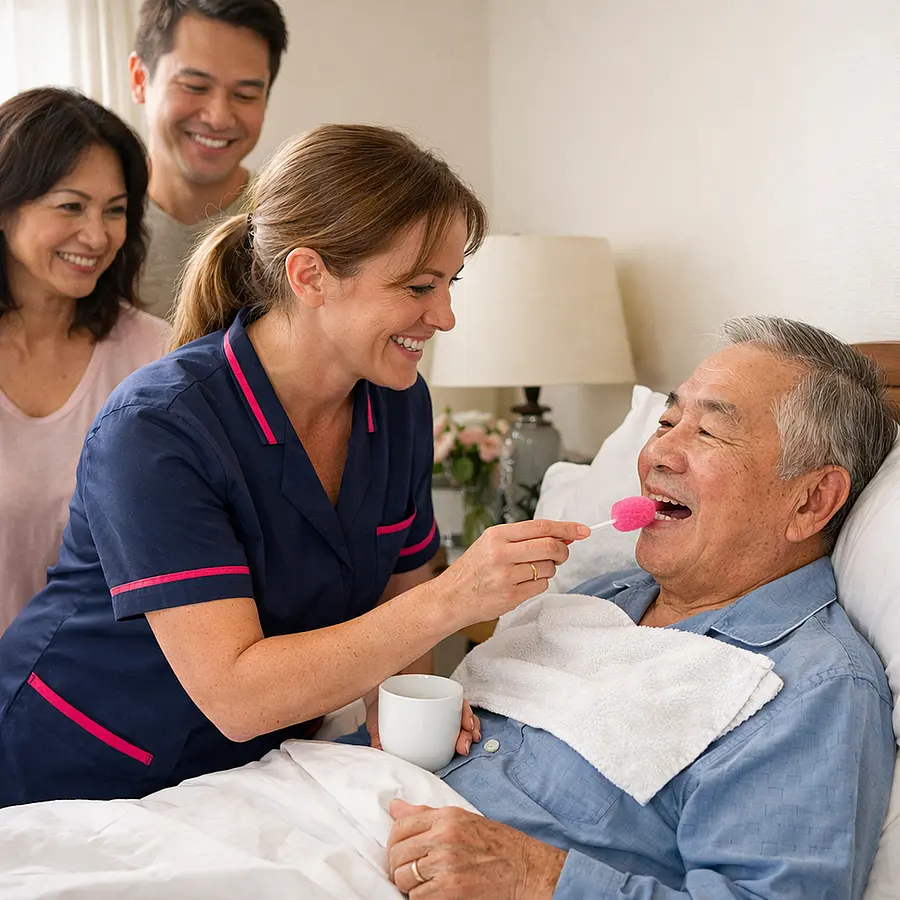
A realistic care at home image with a caucasian female caregiver in a tunic uniform colour 00072b with e51974 accent gently providing mouth care and freshening bedding for an asian elderly male service user warm smiles from relatives bright but soft room respectful and compassionate atmosphere

Small comfort measures can mean a lot

Families often tell us that little actions become the most meaningful: moistening lips, fluffing pillows, opening a window for fresh air, playing favourite music, or helping someone feel clean and settled. Our guide to practical comfort measures at home can help you feel more prepared for those everyday moments.
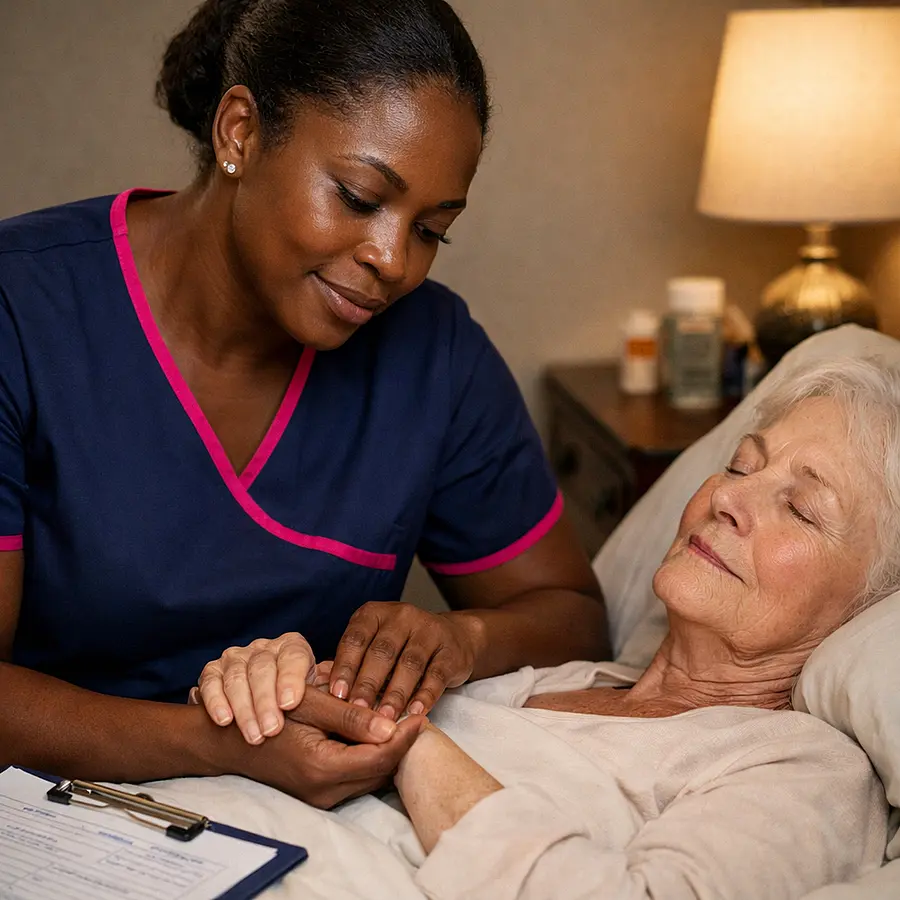
Realistic close up of a Black female caregiver in a 00072b tunic with e51974 trim gently checking the pulse of an elderly white woman lying peacefully in bed caregivers expression calm and reassuring soft bedside lamp lighting medical notes on a clipboard nearby.

How professional home care supports the whole picture

Professional carers can support both palliative and end-of-life care by helping with comfort, routine, observation, and reassurance. We work alongside families and other professionals to provide flexible support that responds to changing needs, whether that means help with showering and dressing, medicines, emotional reassurance, or practical overnight presence.

Realistic image of an Asian male caregiver in a 00072b tunic with e51974 trim sitting at a dining table with an elderly Black couple going through a care plan document together all three smiling and engaged in discussion.

Why choose us for palliative care at home

We understand that this stage of life needs sensitivity, clear communication, and practical support that feels personal. Our care is shaped around the person, their wishes, and the family around them. Whether you need occasional visits or more regular help, we can support comfort, dignity, and peace of mind at home when it matters most.


A realistic home care image of a caucasian male caregiver in a 00072b tunic with e51974 accent supporting an elderly asian woman through a gentle daily routine while her family look relieved and happy bright and welcoming home realistic photography
Hands of young adult and senior women over green b
Contact Us

Contact us to arrange Palliative Care at home

If you're looking for support with daily living for some one with palliative needs, we're here to help. Our friendly team is ready to offer guidance, answer your questions, and arrange palliative care tailored to your or your loved ones' needs in their own home. Reach out today for personalised advice and support.

Understanding the difference between palliative care and end-of-life care at home FAQ's

You’re bound to have questions when exploring your home care options, so we’ve answered some of the most common ones below.

Choosing end-of-life care at home is a deeply personal decision and depends on the person’s wishes, practical circumstances, and level of support available. Many people feel more comfortable at home because the surroundings are familiar, loved ones can visit more naturally, and routines can be shaped around personal preferences. It may be the right choice if the person wants to remain in their own space and the home can be organised safely and comfortably. Families should also think about whether enough support can be arranged, especially for symptom changes, personal care, and nights. Talking openly about preferences, worries, and what matters most can help. With the right planning and support, home can be a peaceful and dignified place for end-of-life care.

Yes, and this is often one of the most valuable parts of support. During palliative care, a person may still be getting up, spending time in different rooms, or seeing visitors, but everyday tasks can become exhausting. Help with washing, showering, dressing, and grooming can protect energy and help someone feel fresher, more comfortable, and more like themselves. This kind of support also reduces the physical strain on relatives who may otherwise be trying to manage awkward or intimate tasks alone. Good personal care is not just about cleanliness. It can support dignity, confidence, skin comfort, and emotional wellbeing. Even small routines, like face washing and clean nightwear, can make a real difference to how a person feels.

Medication support is often central to both palliative and end-of-life care at home because medicines may be used to manage pain, nausea, anxiety, breathlessness, agitation, or poor sleep. Over time, prescriptions and timings can change, which can feel stressful for families. Support with medication management can help keep things organised, reduce the risk of missed doses, and ensure changes are noticed promptly. It can also help families communicate more clearly with professionals if a medicine seems less effective or symptoms increase. During end-of-life care, medicines may become even more focused on comfort. Clear records, a calm routine, and knowing who to contact for advice can all help things feel more manageable during an emotional time.

Palliative care at home can begin as soon as a serious illness starts affecting comfort, independence, or emotional wellbeing. It does not mean someone is in the final days of life. In fact, many people receive palliative support for quite a long time while still attending appointments, having treatment, or enjoying aspects of everyday life. If pain, fatigue, breathlessness, anxiety, poor sleep, or reduced mobility are making life harder, early support can be very helpful. Starting sooner often gives families more time to put routines in place, make the home environment more manageable, and reduce stress before things become overwhelming. It can also help a person feel more in control, because support is introduced gradually rather than during a crisis.

Meal support can be very helpful when someone has a small appetite, feels nauseous, tires easily, or no longer enjoys large meals. In palliative and end-of-life care, the goal is usually comfort rather than encouraging someone to eat more than they want. Support with preparing simple meals and drinks can make food feel less overwhelming and more inviting. This may mean offering little portions, favourite foods, softer textures, or drinks that are easy to sip. Families often feel upset when a loved one eats less, so gentle practical support can remove some of that pressure. It can also help keep the kitchen routine manageable, which matters when relatives are already emotionally and physically stretched.

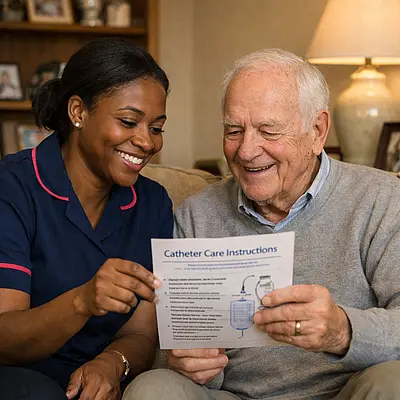
Home care support can make palliative care more manageable by helping with the tasks that become harder as illness progresses. This may include support with bathing, dressing, and personal hygiene, keeping track of medicines, preparing light meals, and noticing signs that comfort needs are changing. It can also provide emotional reassurance through regular visits and familiar faces. Families often find it helpful to have someone there who can support routines, reduce physical strain, and help them focus on quality time rather than rushing through practical tasks. Home care can be flexible too, starting with lighter support and increasing if needed. That means care can respond to the person’s condition, rather than expecting the family to manage everything alone.

Signs can vary, but families often notice that the person is sleeping more, becoming weaker, eating and drinking less, and needing much more help with everyday comfort. They may be less interested in conversation, more drowsy, or less able to move around independently. Breathing patterns can also change, and there may be periods of greater confusion or restlessness. These changes do not always follow a predictable timeline, which is why families can feel uncertain. End-of-life care is often considered when overall care shifts more clearly towards comfort and support in the final stage of life. If you are unsure, our page on when it may be time to consider end-of-life care at home may help you understand the signs more clearly.

Feeling unsure is completely normal. Many families worry about choosing the right time, understanding the different terms, or whether they will be able to cope. The important thing is that you do not have to figure everything out alone or all at once. Start by thinking about what your loved one needs most right now. That might be help with comfort, support during the night, assistance with personal routines, or simply some breathing space for family carers. Talking through the situation can often make the next step much clearer. We can help you understand the options, explain how support can work at home, and shape care around your family’s circumstances and preferences.

Domestic help is often underestimated, but it can have a huge impact during palliative and end-of-life care. When someone is seriously ill, family members are usually juggling emotional strain, care tasks, appointments, and lack of sleep. Everyday chores like changing bedding, washing up, laundry, or keeping rooms tidy can quickly become exhausting. Support with light domestic duties helps the home stay calmer, safer, and more comfortable without putting extra pressure on relatives. It also means families can spend more meaningful time together instead of constantly catching up on housework. A tidy, organised environment can reduce stress, support mobility, and make it easier to focus on the comfort and dignity of the person receiving care.

Yes, both are very common in cancer care at home. Palliative care may begin while someone is still having treatment, helping with symptoms such as pain, fatigue, sickness, breathlessness, or emotional distress. It can support quality of life over a period of time and may run alongside hospital or community care. End-of-life care may follow later if treatment is no longer working or the person is entering the final phase of life. At that point, the focus usually becomes more about comfort, rest, dignity, and being in familiar surroundings. Families supporting someone with advanced illness may also find useful guidance in our cancer care at home resources, especially when needs are changing.

We proudly provide high-quality home care across the East Midlands, in an around the towns and cities detailed below.

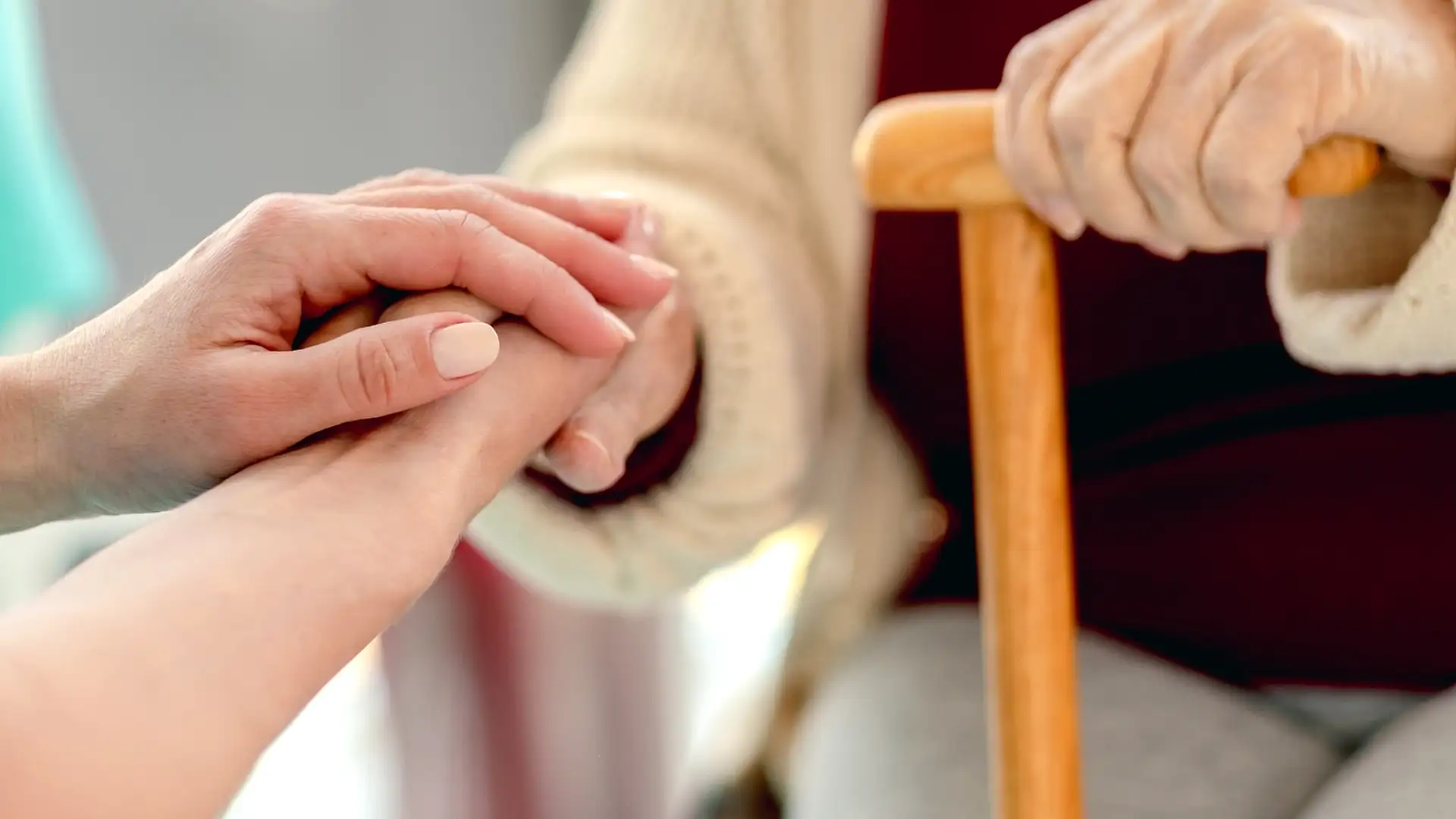
Elderly hands on a walking sitck

We're becoming a fully regulated service

While we are not currently regulated, meaning there are some services we cannot currently provide, we are in the process of registering to become a fully regulated service.

CQC
Elderly hands on a walking sitck

Call us to find out more about Understanding the difference between palliative care and end-of-life care at home

East Midlands

We proudly provide high-quality home care across the East Midlands

Our Reviews

We’re proud of the trust families place in us. Here’s what some of the people we support, and their loved ones, say about our home care services.

"Great support for my mum after she lost her confidence after a fall and hospital stay."

Sarah L

"They have been a great help with keeping on top of my dads laundry and general house cleaning as he is bed bound and have been being changed daily."

Emily R

"Really helped me with keeping on top of my house work since my parkinson's has progressed."

Mark T

Senior woman hand in caregiver hands

Join The Good News Newsletter

Be the first to discover exclusive offers, and service updates. Your journey to independent living starts here - where everything truly is fine.


Contact The Good Place

We’d love to hear from you! Whether you have questions, want to learn more about our home care service, or are ready for us to start supporting you or your loved one, our good people are here to help. If you are looking to make a complaint, you can contact our Registered Manager or Nominated Individual directly.

Send Us a Message


Elderly hands on a walking sitck

Working in Partnership

We work closely within the community to provide safe, compassionate, reliable home care that supports independence, dignity, and improved wellbeing while remaining at home.

NHS
Staffordshire County Council
Derbyshire County Council