
Preparing your home for palliative care support in later life
Preparing your home for palliative care support in later life means making everyday living safer, calmer, and more comfortable. It can involve practical changes, emotional planning, and extra help with routines. The aim is to reduce stress and help someone live as well as possible at home, with dignity, familiarity, and the right support around them.

What palliative care at home preparation really involves
Good preparation is not about turning a home into a hospital. It is about thinking ahead: where someone will rest, how they will move safely, who will help with symptoms, and what daily tasks may become harder. Families often find it helpful to combine comfort planning with practical support such as washing and dressing assistance and help with medicines.

Common home risks during palliative care planning
Without preparation, small issues can quickly become major stresses. Cluttered walkways, poor lighting, difficult bathroom access, missed medicines, and lack of nighttime reassurance can all affect comfort and safety. Tired relatives may also feel overwhelmed. Planning early helps reduce avoidable strain and can make room for better rest, clearer routines, and more confident decision-making for everyone involved.

Choosing the best room for palliative care comfort
Start by deciding where care will happen most easily. A downstairs room may reduce effort if stairs are tiring or unsafe. Think about space for a bed, chair, side table, and carers to move around. Good ventilation, gentle lighting, and nearby toilet access matter too. Our guide to creating a comforting bedroom space at home can help.
Making movement safer with home adaptations
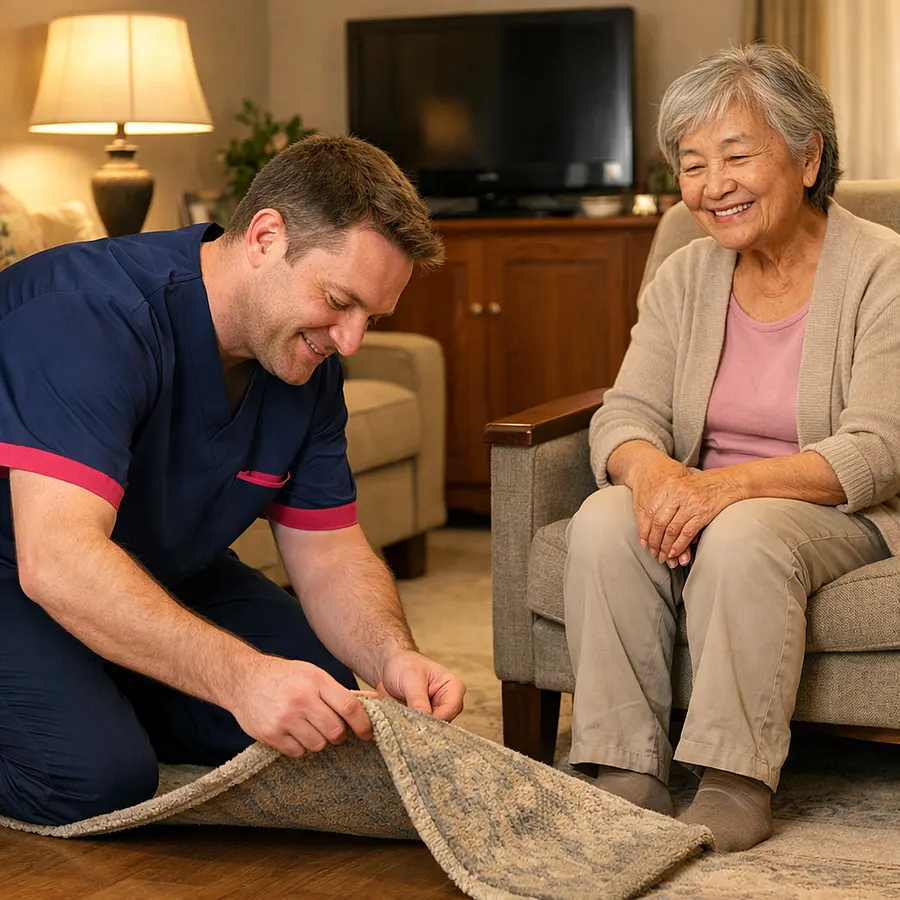
Simple changes often make the biggest difference. Remove rugs that slip, keep cables tucked away, add brighter bulbs in hallways, and place everyday items within easy reach. If someone feels unsteady, consider guidance around walking routes and seating. Helpful ideas can also be found in simple home adaptations that make walking safer indoors.
Planning personal care areas for dignity and ease
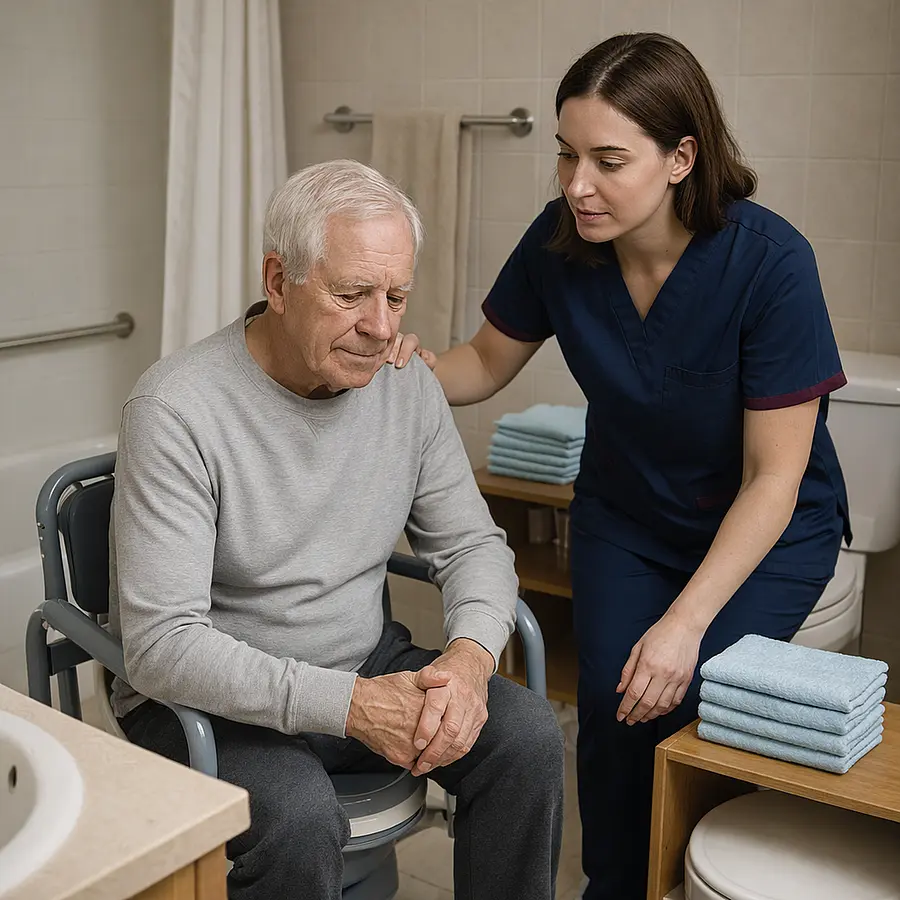
Bathing, showering, toileting, and getting dressed can become more tiring in later life. Set out fresh towels, easy-fastening clothes, continence products, and a chair if needed. Keep the room warm and private. Many families benefit from support with washing, dressing, and personal hygiene, especially when preserving energy and dignity is a priority.
Organising medication support safely at home
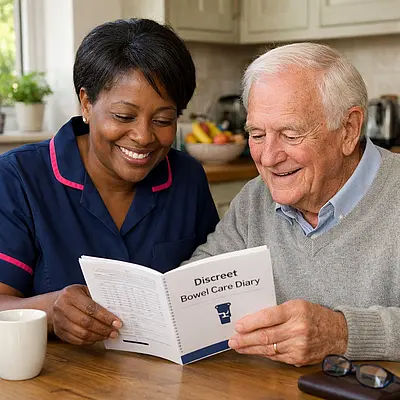
Medication routines can become more complex during palliative care. Keep medicines in one agreed place, store them as instructed, and use a clear chart for timing and dosage if professionals advise it. It also helps to note who to call if symptoms change. Our medication management support can help families feel more confident and reduce missed or duplicated doses.

Setting up meal preparation for low energy days
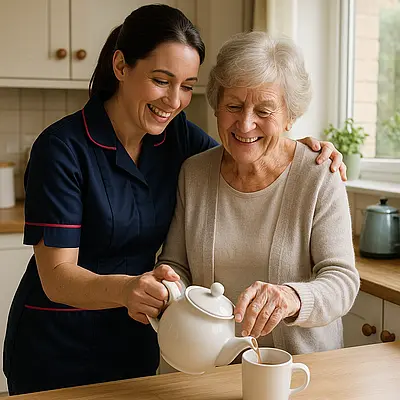
Eating can be affected by fatigue, nausea, dry mouth, or a smaller appetite. Stock easy foods that are gentle, nourishing, and simple to serve, such as yoghurt, soup, soft fruit, and small sandwiches. Keep drinks close by. We can also help with meal planning and preparing light meals so the person saves energy for what matters most.

Reducing daily pressure with domestic support
When energy is limited, everyday chores can feel exhausting. Fresh bedding, clear floors, washing up, laundry, and a tidy bathroom all help create a calmer space. Family carers often feel relief when they do not have to manage everything alone. Practical help with light household tasks can make the home easier to maintain and more restful to live in.

Creating reassurance through overnight care planning
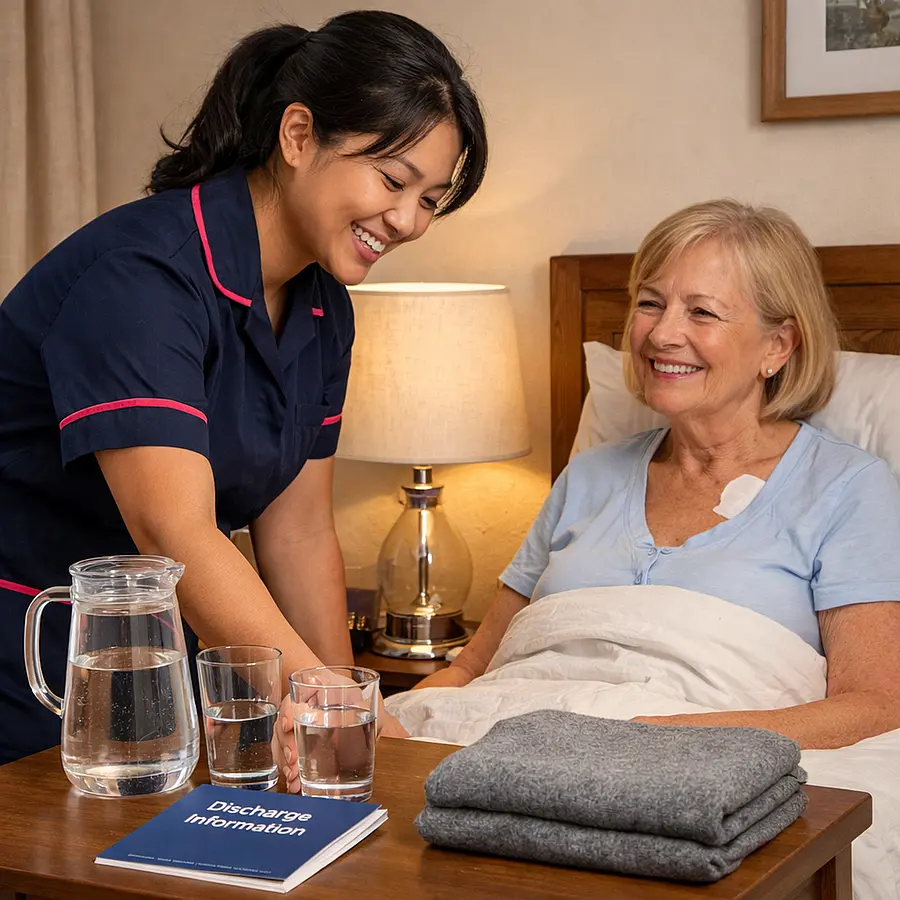
Nights can be the hardest time for families, especially if someone wakes in pain, feels breathless, needs help to reposition, or becomes confused. Prepare a bedside lamp, water, call bell or phone, and essential supplies within reach. Some families choose waking or sleeping night support for extra reassurance and to reduce exhaustion for relatives.

Protecting emotional wellbeing with companionship support
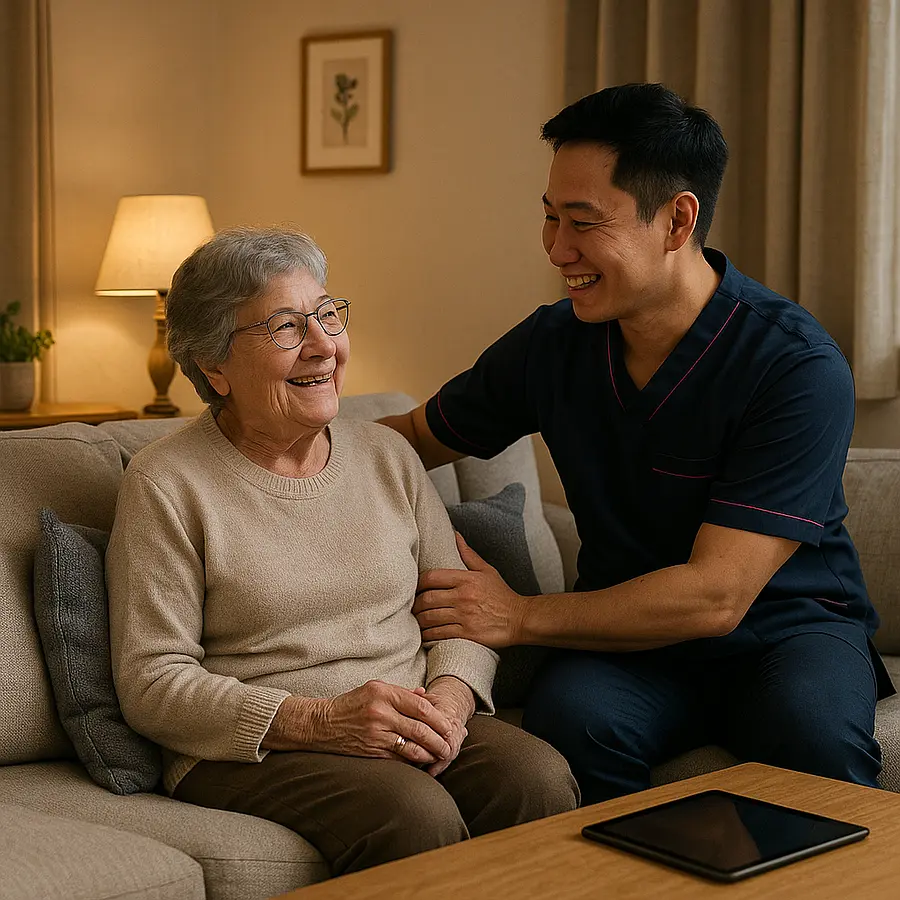
Preparing the home is also about how it feels. Familiar photos, favourite blankets, music, and quiet conversation can bring comfort. Just as important is reducing loneliness for the person and pressure on relatives. Gentle companionship visits can include chatting, sitting together, reading letters, or simply being there on difficult days when extra emotional support is needed.

Managing symptoms through practical comfort at home
Small comfort measures can make a noticeable difference. A fan near the chair, extra pillows for positioning, lip balm, blankets, and easy access to drinks can all help. Breathlessness and fatigue often improve when movement around the home is reduced. You may also find support in our guide to practical comfort measures at home.

How one family prepared for palliative care at home
A daughter noticed her father was becoming tired after walking upstairs and missing parts of his routine. Together, they moved his bed downstairs, cleared the hallway, added a lamp by his chair, and created a tray for drinks, tissues, and medicines. These small changes made the day feel less rushed and helped him stay comfortable in familiar surroundings.
Using daily routines to reduce strain
Another common approach is to simplify the day into gentle steps: wash, rest, eat, sit up for visitors, then rest again. Keeping essentials in the same place avoids repeated trips around the house. Families often find that a calm routine lowers anxiety. Our advice on creating a calm daily routine offers useful ideas.

Preparing for visitors and family time with less stress
Families often want precious visits to feel meaningful, not chaotic. Setting one comfortable seating area, keeping blankets nearby, and planning shorter visits can help prevent overtiredness. It also helps to let visitors know the best times of day. This means the person receiving care can enjoy company without too much noise, movement, or pressure around the home.

Building confidence around changing needs
Needs can shift gradually or quickly. A person who managed the bathroom last week may suddenly need support washing or standing. Keeping flexible plans, spare bedding, easy clothing, and emergency numbers in one place can reduce panic. Families also benefit from understanding more about the difference between palliative and end-of-life care at home.

Knowing when extra support may be needed
If family carers are losing sleep, struggling with lifting, feeling emotionally drained, or worried about symptoms, more support may be needed. This is not failure; it is a sensible response to changing circumstances. Reading about when it may be time to consider end-of-life care at home can help families make informed next steps.

The role of professional palliative care at home
Professional care can make home life feel more manageable by supporting comfort, routine, and dignity. We can work alongside families and other professionals, helping with washing and dressing, medicines support, preparing suitable meals, household help, and night-time support. This can ease pressure while keeping care centred around the person’s wishes and comfort.

Why choose us for palliative care support at home
We understand that preparing your home for palliative care support in later life is both practical and emotional. Our approach is compassionate, flexible, and built around what matters to the person and their family. We focus on comfort, dignity, and dependable help at home, giving families confidence that they do not have to manage every change on their own.