Rebuilding confidence after a fall in later life
A fall in later life can affect far more than physical comfort. It can leave someone feeling worried about walking, bathing, going outside, or being alone at home. Our home care support helps rebuild confidence step by step, with reassurance, routine, and practical help such as washing and dressing support, safer mobility, and everyday encouragement.

Understanding fear after a fall
After a fall, many older adults begin to limit movement because they fear it happening again. This can reduce strength, balance, and independence over time. Gentle support, familiar routines, and positive encouragement matter. We often help families create a calmer daily rhythm, with safe movement, regular meals, and trusted companionship at home to reduce anxiety.

Why confidence building takes time
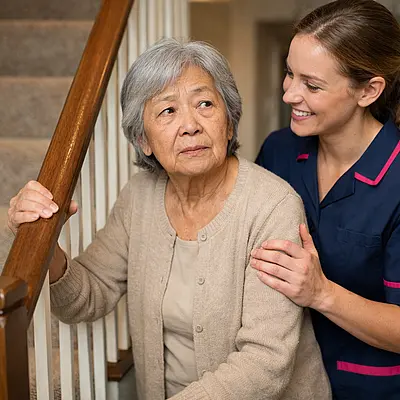
Confidence rarely returns all at once. Someone may feel fine sitting down but nervous when turning, climbing stairs, or getting into bed. Breaking tasks into smaller steps can help. Our carers support safe routines around transfers, preparing simple meals, and gentle household activity, helping each person regain trust in their body without feeling rushed.

Common risks after a fall at home
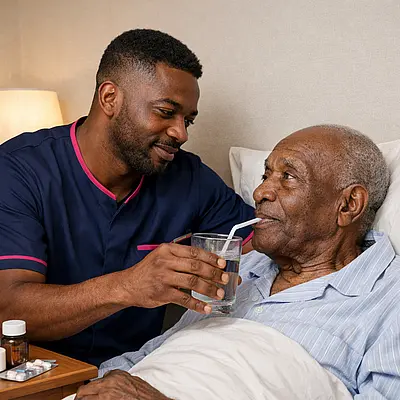
One of the biggest risks after a fall is doing less. Reduced movement can lead to weaker muscles, more stiffness, poorer balance, and growing dependence on others. There may also be concern around missed tablets, hydration, or low appetite. Support with taking medication safely and regular daily structure can make recovery at home steadier and safer.
Managing worry about falling again
Emotional recovery is just as important as physical recovery. Someone may become embarrassed, lose confidence in bathing, or stop going outdoors altogether. Family members can feel anxious too. It helps to talk openly, celebrate small wins, and make practical changes. Our support can include help with light household tasks so energy can be focused on feeling safer and stronger.
Practical support after a fall day to day
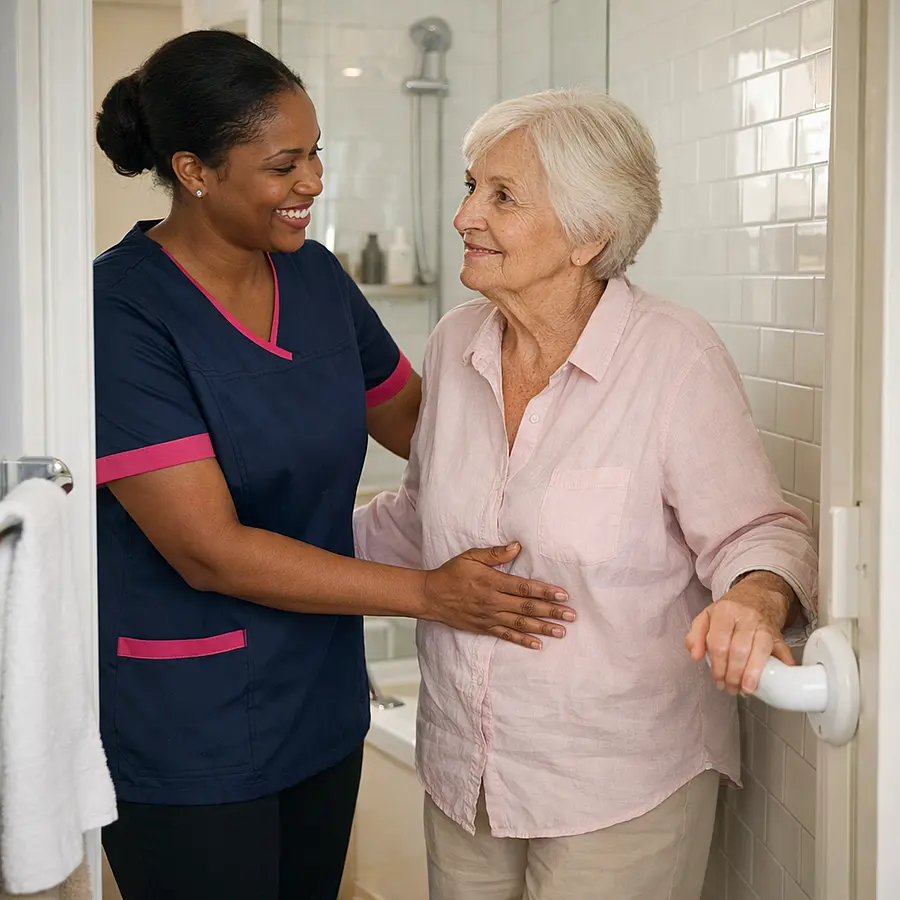
Simple routines often work best after a fall. That might mean getting up at the same time, sitting for a moment before standing, wearing supportive footwear, and keeping essentials within easy reach. We can help with morning routines, showering and personal hygiene, and steady support around the home, so daily life feels manageable rather than overwhelming.

Creating a safer home environment
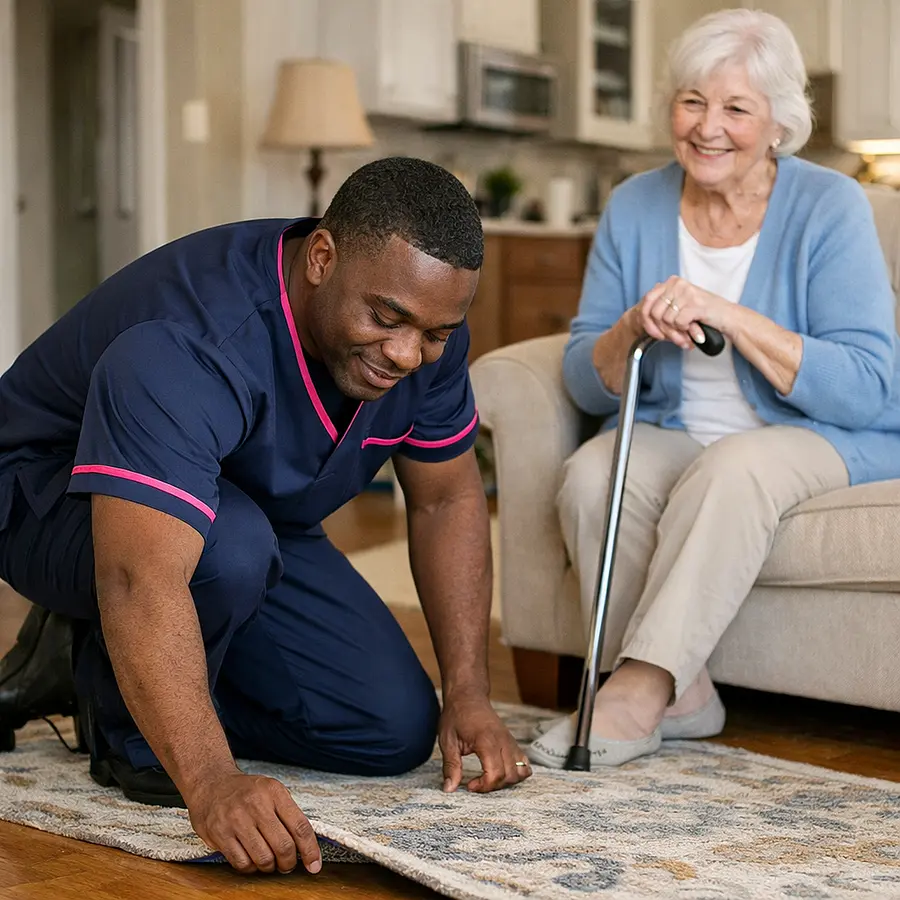
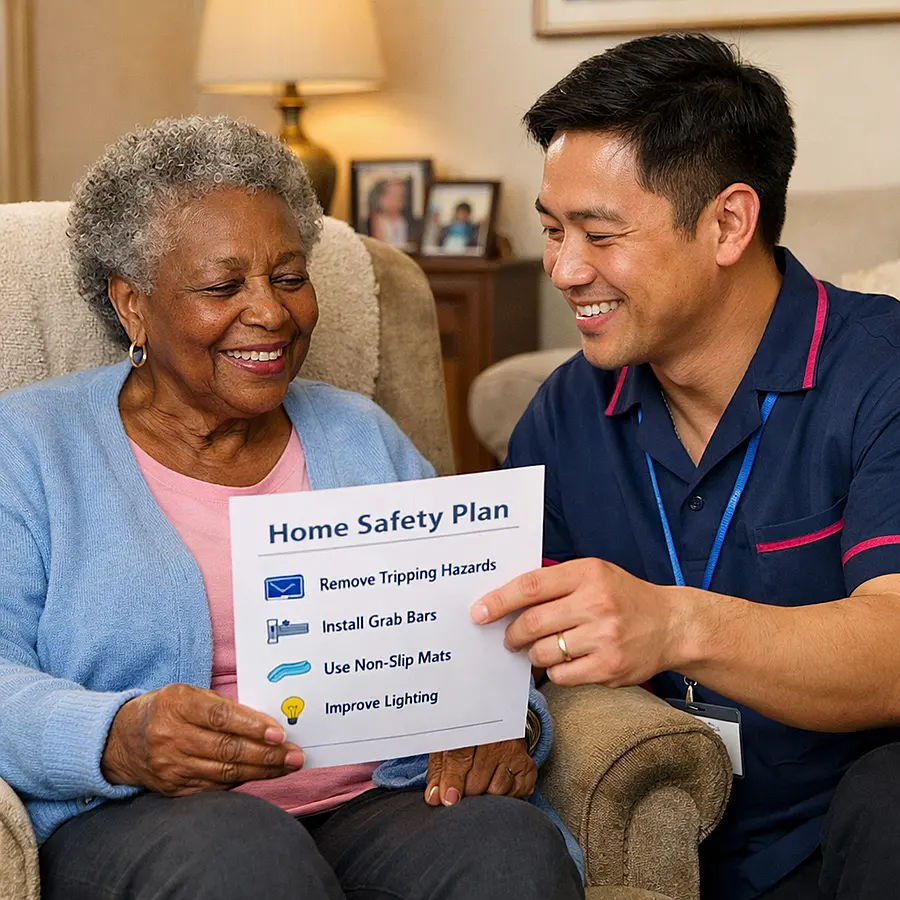
Confidence grows when the home feels easier to move around in. Removing clutter, improving lighting, checking rugs, and keeping commonly used items nearby can all help. Families often benefit from planning these changes early. You may also find our guidance on adapting your home to support ageing in place useful when reducing everyday risks.
Gentle movement after a fall at home
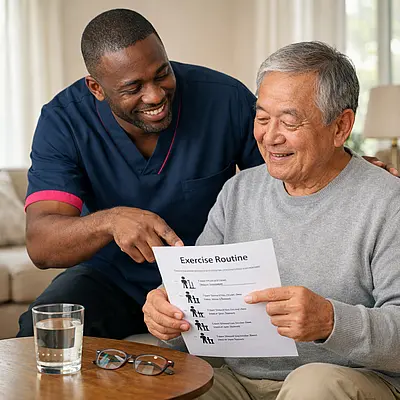
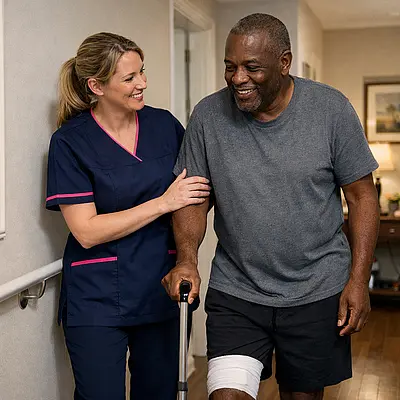
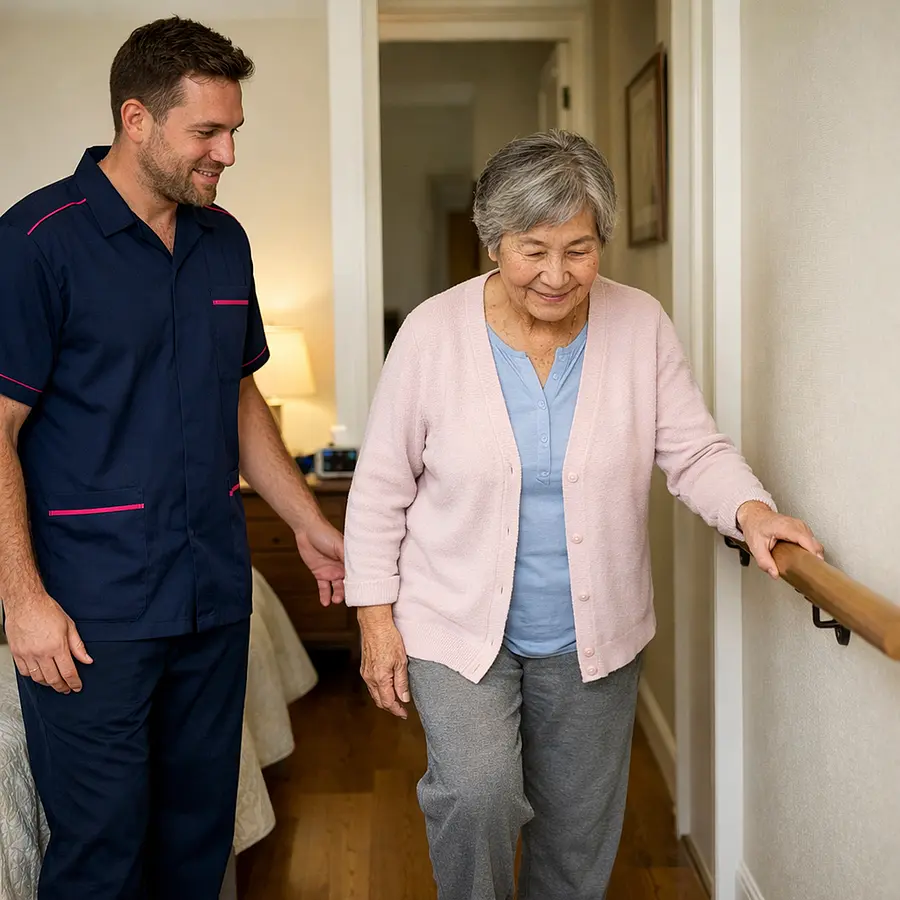
Once medical advice has been followed, gentle movement can help confidence return. Short walks indoors, careful sit-to-stand practice, or simple balance work may improve strength over time. The key is consistency, not speed. Our carers can encourage safe routines and families may also want to explore gentle exercise ideas for older adults at home.
Everyday confidence in real life
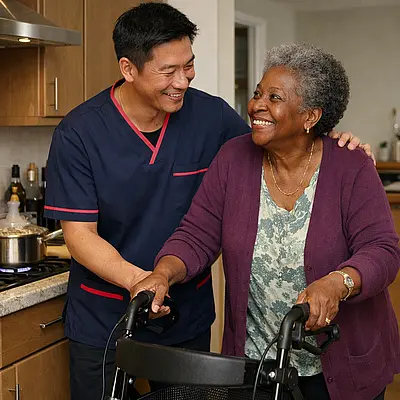
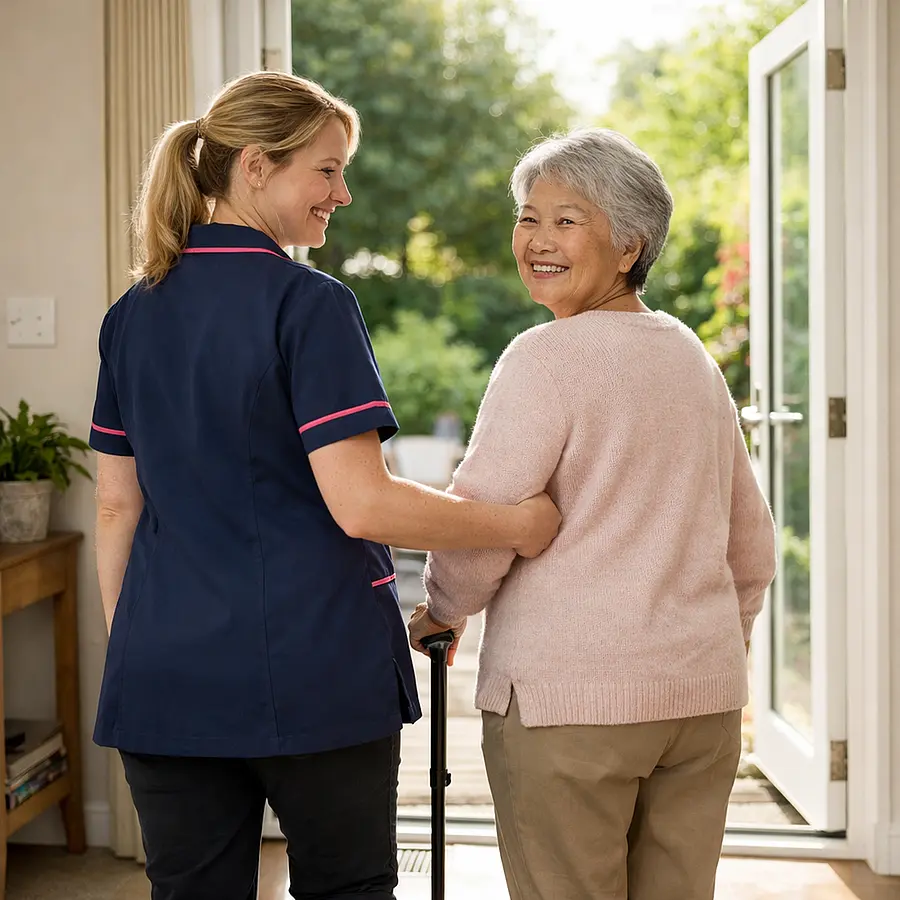
Recovery often happens in ordinary moments. A person who was once afraid to get to the kitchen alone may slowly regain trust by doing it with support nearby. Another may start by walking to the front door and later enjoy the garden again. Regular encouragement, a calm pace, and familiar company and conversation can make these milestones feel achievable.
Planning safe routines outside the home
Getting out again can be a big emotional step after a fall. Starting small often helps, such as a short walk to the gate or a quiet trip at a less busy time of day. For families planning outings, our advice on safe days out with an elderly loved one offers practical ways to rebuild confidence without overdoing it.

How professional home care can help
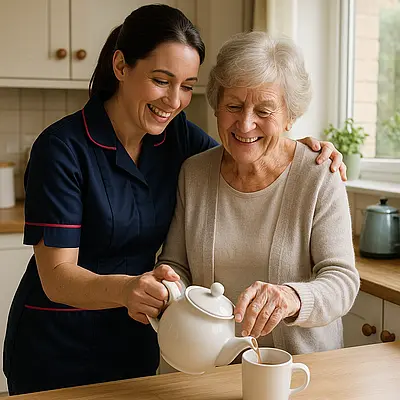
Professional care can ease pressure for both the person recovering and their family. We can provide support with moving around safely, preparing drinks and meals, reminding someone about tablets through our medication support service, and offering reassurance during the times of day that feel hardest. This steady presence often helps confidence return more naturally.

When overnight reassurance is needed
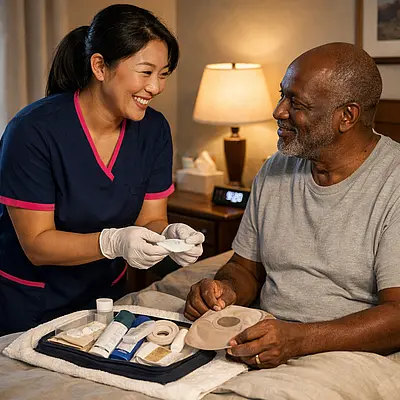
Some people feel especially worried at night after a fall, particularly if they need the toilet, wake in pain, or fear being alone. In these situations, overnight care at home can provide valuable reassurance. Knowing someone is there to help with safe movement, comfort, and settling back to sleep can reduce anxiety for everyone involved.

Why choose us for support after a fall
We understand that recovering after a fall is about dignity, trust, and feeling like yourself again. Our care is shaped around the individual, their home, and their pace. Whether someone needs short visits, regular support, or broader care in their own home, we focus on practical help and genuine encouragement that fits real daily life.
Choosing care that rebuilds confidence
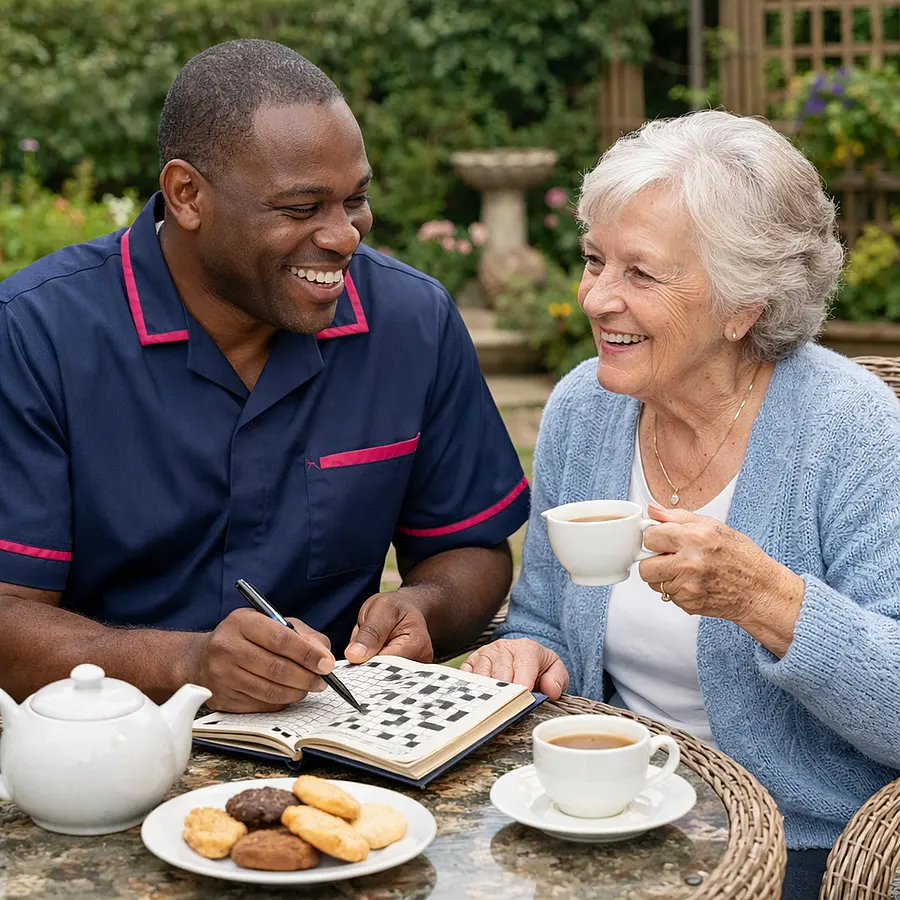
Families often tell us they want support that feels respectful, not intrusive. That is exactly what good home care should be. We help people rebuild routines, stay nourished with help preparing meals at home, keep living spaces manageable with light domestic support, and regain confidence in everyday life. If you are worried about a loved one, we are here to help.